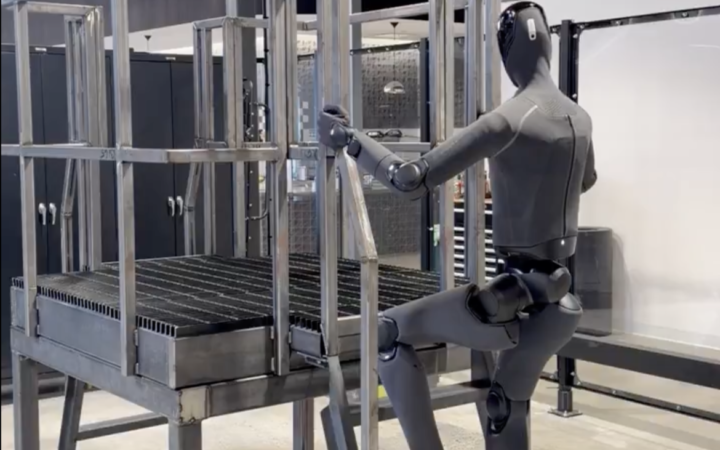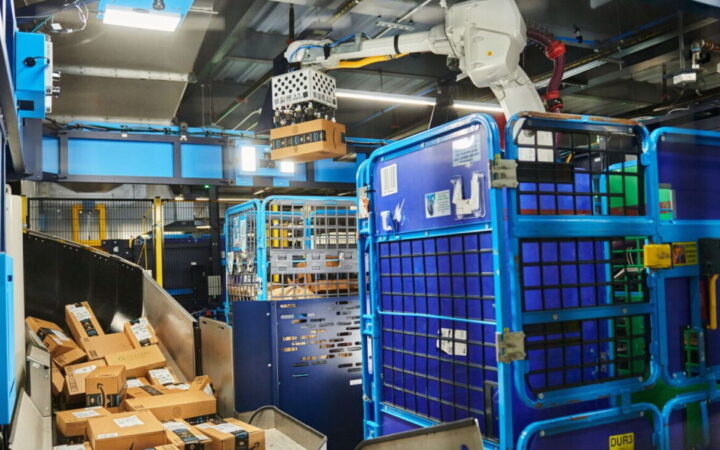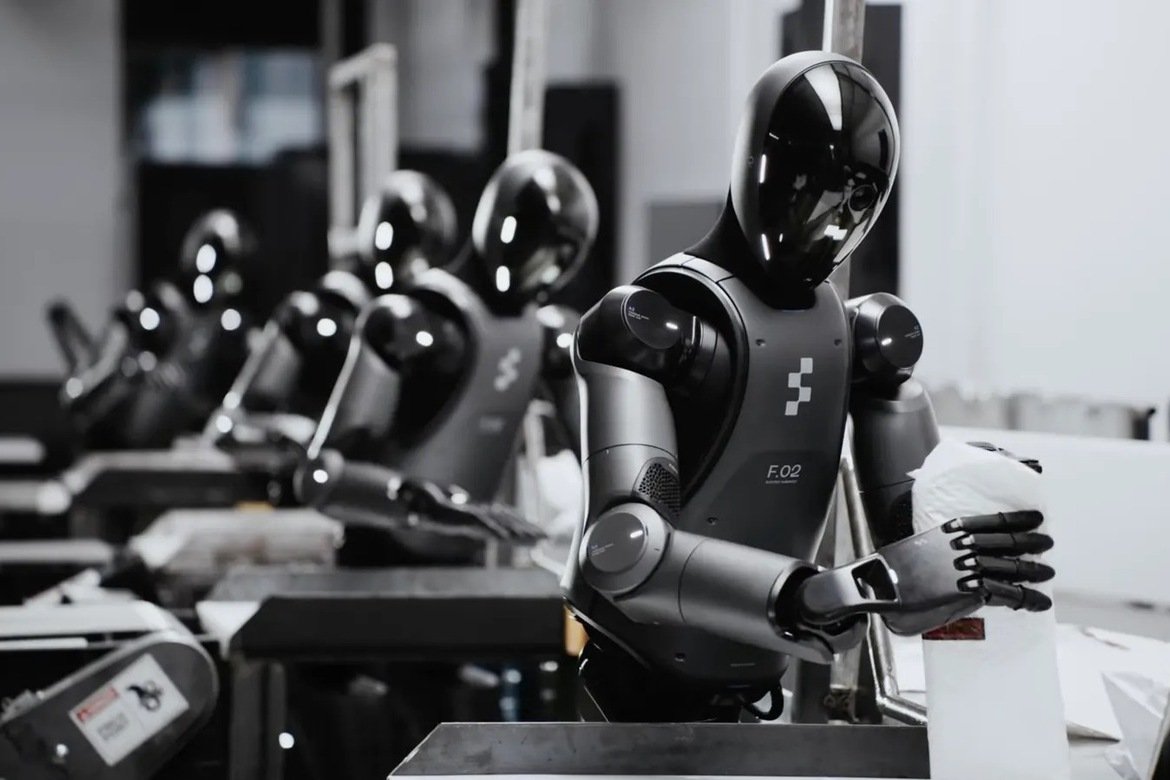

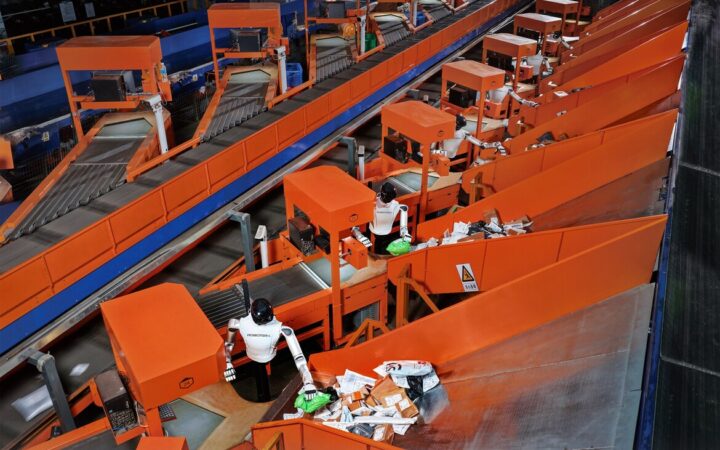
Figure AI has signed a commercial agreement with Catalyst Brands to deploy humanoid robots across the retailer’s distribution and logistics network. The partnership begins at Catalyst’s distribution logistics center in Reno, Nevada, where Figure’s robots will automate physically demanding supply chain tasks. Catalyst Brands operates JCPenney, Aéropostale, and Brooks Brothers, among other retail chains.
The agreement is Figure’s most significant commercial retail deployment announcement to date and reflects the company’s strategy of targeting warehouse logistics as an early commercially viable market for general-purpose humanoid systems.
The Brookfield Connection
The partnership has a structural dimension beyond the operational agreement. Brookfield is a shared investor in both Figure AI and Catalyst Brands, and Figure described the deal as “the first commercial bridge between Figure and a portfolio company of Brookfield”. The investor overlap creates a natural channel for humanoid robot adoption across Brookfield’s broader portfolio of industrial and commercial assets – a pattern that could extend the deployment footprint beyond Catalyst if the Reno pilot delivers measurable results.
Figure’s Manufacturing Progress
The commercial agreement comes as Figure has significantly accelerated production at its BotQ manufacturing facility. The company disclosed in April that BotQ increased output from one Figure 03 humanoid robot per day to one per hour within four months – a 24-fold improvement in production rate. The facility has produced more than 350 third-generation humanoid robots and over 9,000 actuators across multiple product variants.
The production ramp underpins Figure’s ability to make commercial commitments at the scale Catalyst’s distribution network would require. Unlike earlier-stage humanoid deployments measured in single or double-digit units, a commercial agreement with a multi-brand retailer operating at national distribution scale implies a significantly larger fleet requirement over the deployment timeline.
AI Model Development Through Deployment
Figure said its expanding operational fleet is accelerating development of Helix, its humanoid AI model, through large-scale real-world data collection. The company has also demonstrated perception-conditioned whole-body control, allowing humanoid robots to navigate stairs and uneven terrain using AI models trained primarily in simulation before transfer to physical hardware.
The data flywheel dynamic – more deployed robots generating more real-world training data, improving AI models, enabling broader deployment – is central to Figure’s competitive strategy. Commercial agreements like the Catalyst deal serve both revenue and AI development purposes simultaneously.
The Reno deployment follows Figure’s Man vs Machine contest last week, in which an intern narrowly beat a Figure 03 robot in a 10-hour parcel sorting challenge. Figure CEO Brett Adcock called it the last time a human would win such a contest – a framing that positions the Catalyst agreement as the beginning of the commercial phase that follows the company’s demonstration period.
Disclaimer: RobotsBeat is an independent media brand owned and operated by NuvexMedia LLC, publishing news, research, and insights on artificial intelligence, emerging technologies, automation, and related industries. NuvexMedia LLC invests in and collaborates with companies across the AI, Robotics, technology, software, and digital innovation sectors. These relationships do not influence RobotsBeat's editorial coverage, and the publication maintains full editorial independence to provide accurate, timely, and objective information. © 2026 NuvexMedia LLC. All rights reserved. This content is for informational purposes only and should not be considered legal, tax, investment, financial, or other professional advice.