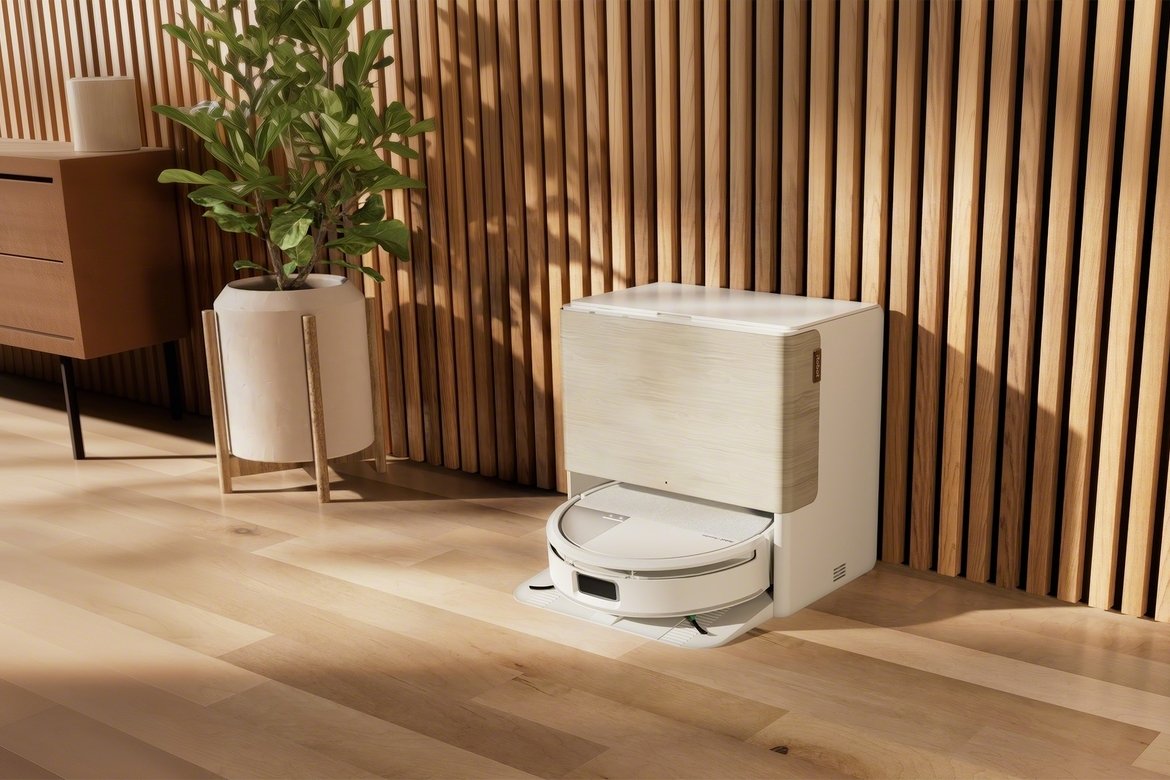

iRobot has begun rolling out its smallest robotic vacuum cleaner, the Roomba Mini, across Europe and the United Kingdom, marking the company’s first major product launch since emerging from bankruptcy earlier this year.
The compact robot, which combines vacuuming and mopping capabilities, was previously introduced in Japan and is now being positioned as a cleaning device designed specifically for smaller homes and apartments.
The expansion comes as iRobot attempts to regain momentum following a pre-packaged Chapter 11 restructuring completed in January and a change in ownership that placed the company under the control of its longtime manufacturing partner, Picea.
A Smaller Robot for Smaller Homes
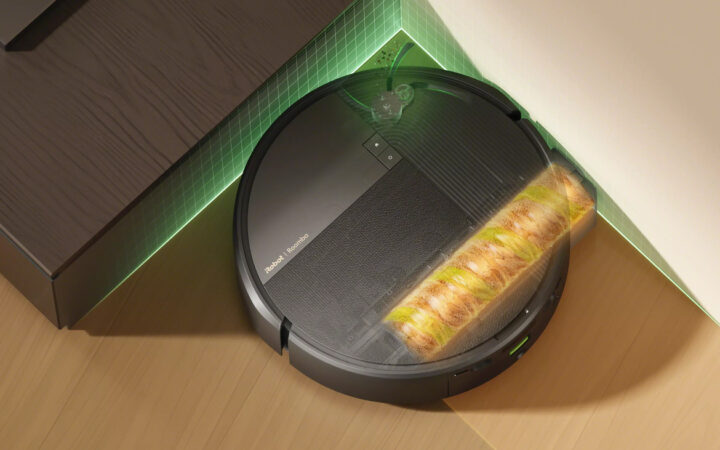
The Roomba Mini is designed to address a practical challenge that has long affected robot vacuums: reaching tight spaces.
According to iRobot, the new model’s compact footprint allows it to navigate narrow corners and areas that are often inaccessible to standard-sized robotic vacuums or traditional upright cleaners.
The robot uses a lidar-based navigation system called ClearView, enabling it to map its surroundings, avoid obstacles, and detect rugs while operating in mopping mode.
Users can control the device through the Roomba Home mobile application, voice assistants, or directly through onboard controls. The system can also operate without a Wi-Fi connection, allowing basic cleaning functionality even when offline.
An AutoEmpty Dock collects debris into an AllergenLock bag capable of holding several months’ worth of dust and dirt, reducing the need for frequent maintenance.
Early Demand Signals in Japan
The Roomba Mini first launched in Japan in February, where iRobot reported strong early demand.
According to company representatives, the black version of the device sold out within the first week of availability.
While the robot was initially designed with compact Japanese homes in mind, iRobot executives say the same characteristics make it suitable for European living spaces, which often feature tighter layouts than homes in North America.
The robot is now available through iRobot’s European online store with a retail price of approximately €399 in the European Union and £379 in the United Kingdom.
A Strategic Moment for iRobot
The European launch arrives at a pivotal moment for the company.
iRobot, once the dominant name in robotic vacuum cleaners, has faced increasing competition in recent years from a growing number of consumer robotics companies offering lower-cost devices with advanced features.
The company’s financial challenges culminated in a bankruptcy restructuring earlier this year. As part of that process, iRobot was acquired by Picea, a firm that previously served as both a manufacturing partner and lender to the company.
Executives say the Roomba Mini was developed before the acquisition and that the ownership transition did not influence the product’s design or release timeline.
However, under Picea’s ownership, iRobot may benefit from expanded manufacturing capabilities and distribution networks across Asia and other global markets.
The Next Phase of Consumer Robotics
The launch of the Roomba Mini also reflects a broader shift within the consumer robotics market.
As robotic vacuum technology matures, manufacturers are increasingly focusing on specialized designs that address specific living environments rather than relying on a single universal product.
Smaller robots capable of navigating dense household layouts may become particularly relevant in urban markets where apartments dominate the housing landscape.
For iRobot, the success of such products could help determine whether the company can maintain its position in an increasingly crowded consumer robotics industry.
Disclaimer: RobotsBeat is an independent media brand owned and operated by NuvexMedia LLC, publishing news, research, and insights on artificial intelligence, emerging technologies, automation, and related industries. NuvexMedia LLC invests in and collaborates with companies across the AI, Robotics, technology, software, and digital innovation sectors. These relationships do not influence RobotsBeat's editorial coverage, and the publication maintains full editorial independence to provide accurate, timely, and objective information. © 2026 NuvexMedia LLC. All rights reserved. This content is for informational purposes only and should not be considered legal, tax, investment, financial, or other professional advice.