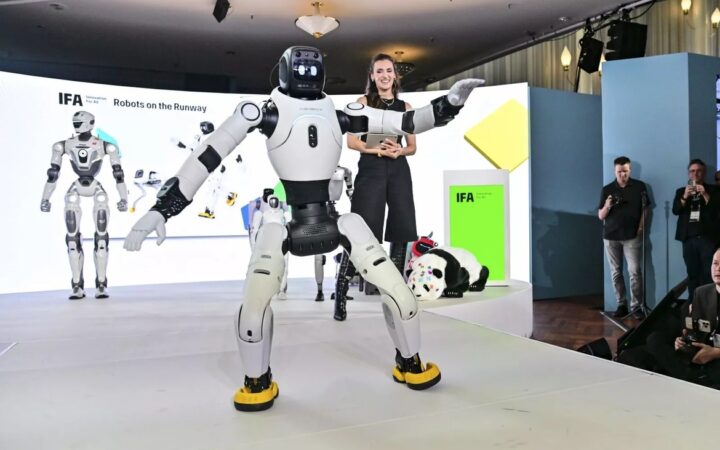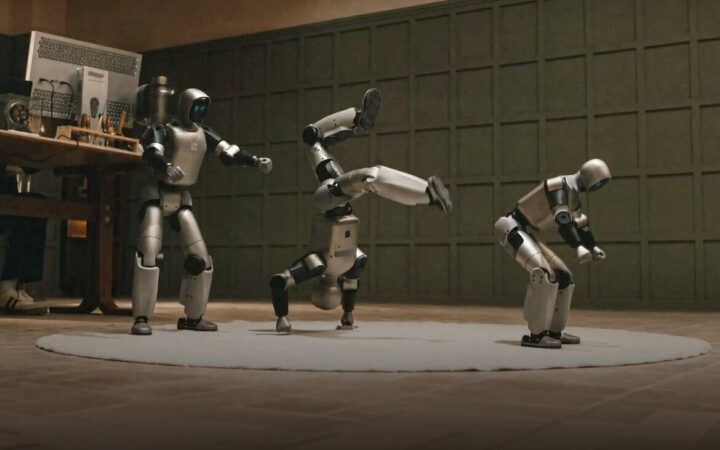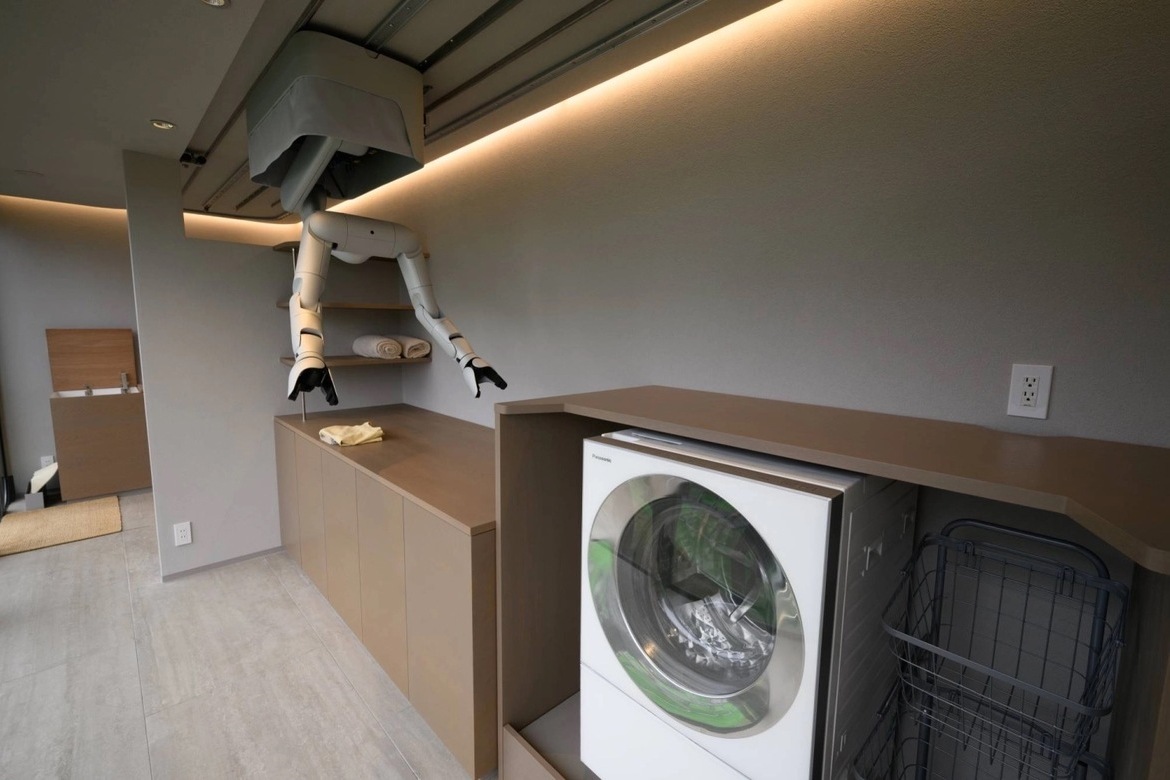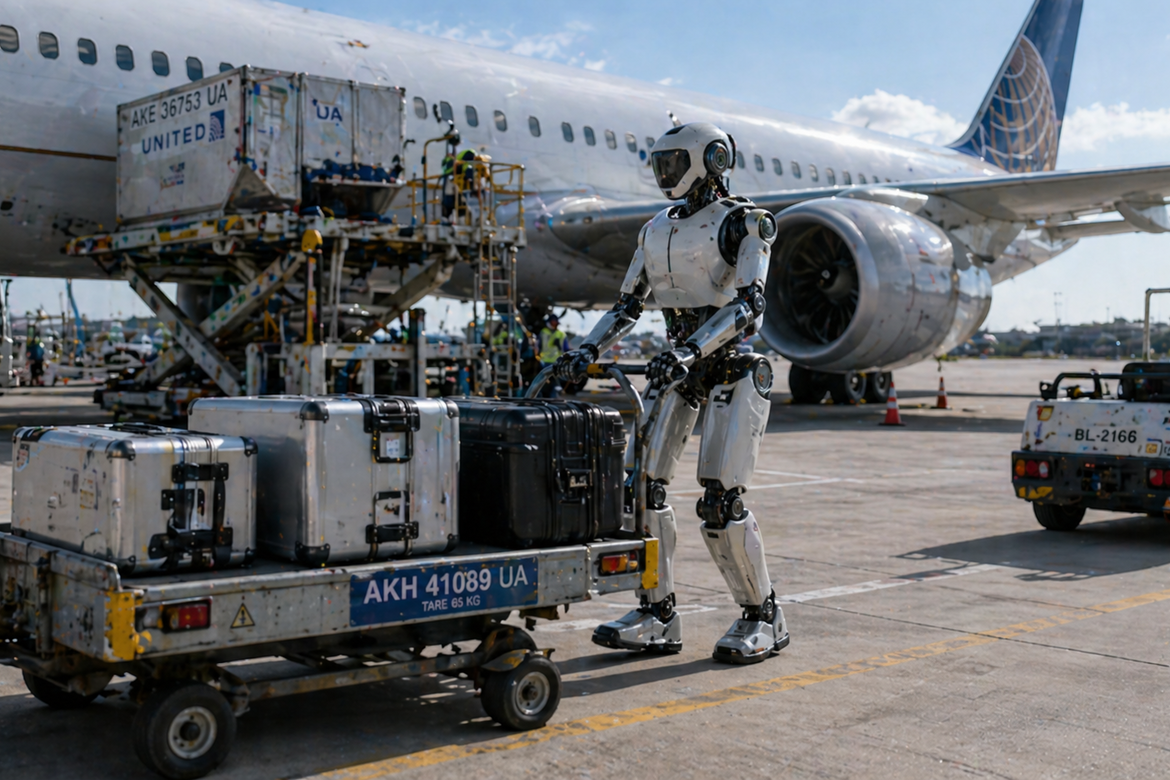


Japan Airlines will introduce humanoid robots on a trial basis at Tokyo’s Haneda Airport from the beginning of May, deploying them to move traveler luggage and cargo on the tarmac. The trial, conducted in partnership with Japan Airlines GMO Internet Group, runs through 2028. The robots are manufactured by Hangzhou-based Unitree and stand 130 centimeters tall.
Haneda handles more than 60 million passengers annually. The trial is designed to address acute labor shortages in ground operations – a segment that remains heavily dependent on physical human labor despite the broader automation of airport passenger-facing services.
The Labor Pressure Behind the Decision
Japan is navigating simultaneous pressure from record inbound tourism and a declining domestic workforce. More than 7 million people visited the country in the first two months of 2026, following a record 42.7 million arrivals last year. One estimate projects Japan will need more than 6.5 million foreign workers by 2040 to sustain its growth targets as the indigenous workforce continues to contract.
Ground handling operations at major airports are among the roles most acutely affected. Physically demanding, shift-intensive, and difficult to staff at scale, baggage and cargo handling represents a natural early deployment target for humanoid robots that can perform repetitive physical tasks in structured outdoor environments.
“While airports appear highly automated and standardised, their back-end operations still rely heavily on human labour and face serious labor shortages,” said Tomohiro Uchida, president of GMO AI and Robotics.
Operational Parameters and Scope
In a media demonstration this week, the Unitree robot was shown pushing cargo onto a conveyor belt beside a JAL passenger aircraft. The current units operate continuously for two to three hours before requiring recharging – an operational constraint that will shape how the trial structures shift coverage alongside human workers.
JAL Ground Service president Yoshiteru Suzuki said the deployment is intended to reduce the physical burden on employees rather than replace the workforce, and confirmed that safety management tasks will remain human-operated. The companies also plan to expand the robots’ task scope to include aircraft cabin cleaning during the trial period.
Broader Context
The Haneda trial is one of the more operationally demanding humanoid robot deployments announced to date. Airport tarmac environments involve variable weather, moving vehicles, aircraft proximity, and strict safety protocols – conditions that introduce complexity beyond controlled warehouse or factory floor deployments. How the Unitree robots perform under those conditions over the two-year trial period will provide meaningful data on the readiness of current humanoid platforms for high-stakes outdoor logistics environments.
Japan’s combination of severe labor constraints, strong robotics infrastructure, and institutional willingness to pilot automation in public-facing services makes it a significant test market for humanoid deployment at the operational level – distinct from the manufacturing and logistics deployments that have defined most of the sector’s progress to date.
Disclaimer: RobotsBeat is an independent media brand owned and operated by NuvexMedia LLC, publishing news, research, and insights on artificial intelligence, emerging technologies, automation, and related industries. NuvexMedia LLC invests in and collaborates with companies across the AI, Robotics, technology, software, and digital innovation sectors. These relationships do not influence RobotsBeat's editorial coverage, and the publication maintains full editorial independence to provide accurate, timely, and objective information. © 2026 NuvexMedia LLC. All rights reserved. This content is for informational purposes only and should not be considered legal, tax, investment, financial, or other professional advice.