

RoboDK has introduced RoboDK CAM, a new software platform aimed at simplifying and accelerating the deployment of robotic machining cells by automating toolpath generation, simulation, and robot code creation.
The release targets a persistent bottleneck in manufacturing automation: the complexity of programming industrial robots for machining tasks. Traditionally, deploying a robotic machining cell requires specialists to manually write and test vendor-specific robot code, a process that can take weeks and often demands deep expertise in both robotics and computer-aided manufacturing.
RoboDK CAM seeks to streamline that workflow by generating robot programs directly from CAD designs and digital simulations, reducing the need for manual coding and lowering integration costs.
Bridging CAD and Industrial Robots
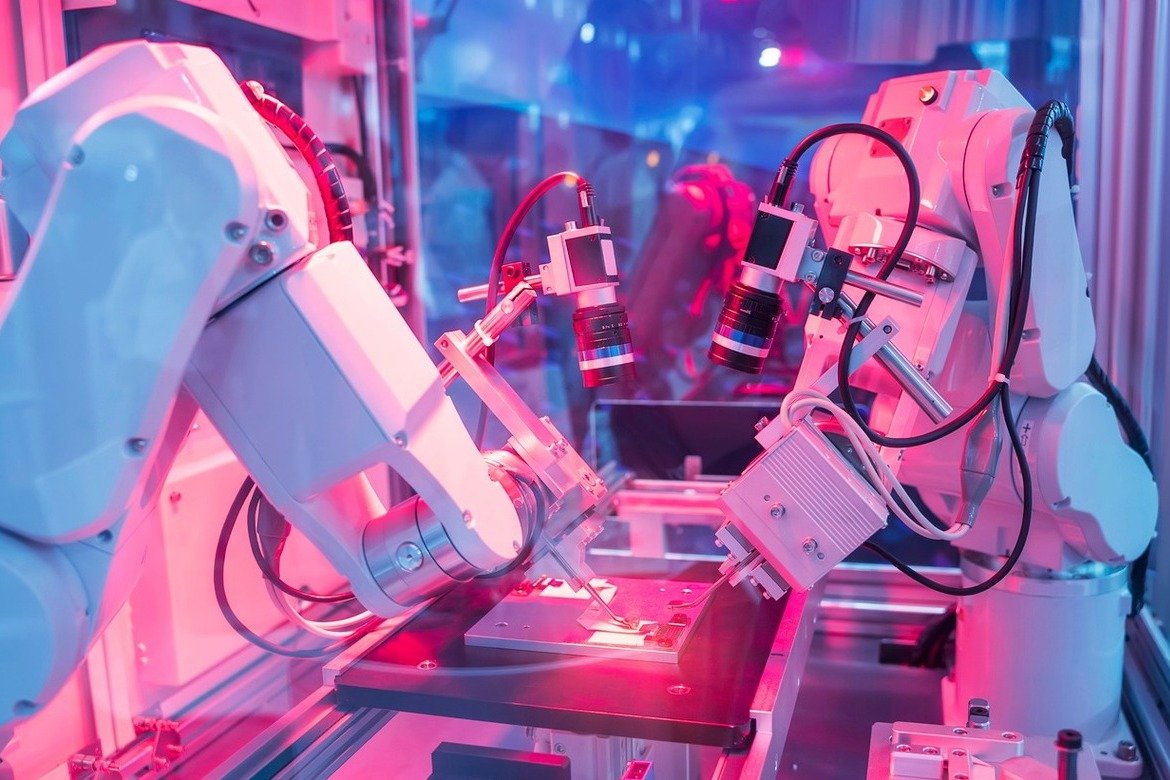
The software supports a range of machining operations including milling, drilling, deburring, cutting, and additive manufacturing. Within a unified environment, users can create advanced toolpaths, simulate full material-removal processes, and perform collision detection before deploying code to physical robots.
A key feature is the ability to move between 3-axis and 5-axis machining tasks without switching platforms, allowing manufacturers to consolidate programming and simulation steps. The system also provides stock tracking to visualize material removal throughout the machining cycle.
RoboDK offers the software in two configurations. A standalone version enables users to manage the entire workflow – from toolpath generation to robot simulation and code export – within RoboDK’s interface. An integrated version connects with established CAD/CAM systems such as Fusion 360, SolidWorks, and Mastercam through add-ins, extending existing workflows to industrial robots without requiring a separate programming environment.
By embedding robotic simulation within familiar design platforms, the company is positioning the software as an incremental extension rather than a wholesale replacement of existing machining processes.
Reducing Engineering Overhead
According to early testers cited by the company, RoboDK CAM can cut testing time by as much as 40 percent, depending on the complexity of the automation setup. More broadly, the platform aims to shrink deployment timelines from weeks of programming and troubleshooting to a significantly shorter configuration cycle supported by virtual validation.
In conventional machining automation, engineers must iteratively test reach, orientation, collision risks, and tool access within the physical cell. Errors discovered late in the process can lead to costly downtime and rework. By enabling full simulation before deployment, RoboDK CAM shifts more of that validation upstream.
For manufacturers, the economic case centers on faster automation rollouts and reduced disruption to production lines. For system integrators, it translates into shorter project cycles and lower engineering labor requirements.
Software as the Automation Multiplier
The launch reflects a broader shift in industrial robotics: as hardware becomes more standardized and accessible, software increasingly determines deployment speed and flexibility.
Robotic machining, in particular, has gained traction as manufacturers seek alternatives to traditional CNC systems, leveraging industrial arms for large-format parts or complex geometries. But adoption has been limited by programming complexity and integration overhead.
By automating code generation and embedding simulation directly into design workflows, RoboDK is attempting to lower the barrier to entry for robotic machining cells.
The competitive landscape includes established CAD/CAM vendors and robot manufacturers offering proprietary programming tools. RoboDK’s strategy hinges on vendor-agnostic compatibility and its existing base of users who rely on its simulation engine for offline robot programming.
As factories push toward more flexible and digitally integrated production environments, tools that connect design intent directly to robotic execution could play a growing role in accelerating automation across mid-sized and large manufacturers.
Disclaimer: RobotsBeat is an independent media brand owned and operated by NuvexMedia LLC, publishing news, research, and insights on artificial intelligence, emerging technologies, automation, and related industries. NuvexMedia LLC invests in and collaborates with companies across the AI, Robotics, technology, software, and digital innovation sectors. These relationships do not influence RobotsBeat's editorial coverage, and the publication maintains full editorial independence to provide accurate, timely, and objective information. © 2026 NuvexMedia LLC. All rights reserved. This content is for informational purposes only and should not be considered legal, tax, investment, financial, or other professional advice.