

Humanoid and Quadruped Robot Shipments Set to Hit 810,000 Units by 2030
Global shipments of humanoid and quadruped robots are projected to reach 810,000 units by 2030, as enterprise adoption replaces early experimentation.
Industrial robotics refers to the use of programmable robotic systems in manufacturing and production environments to automate repetitive, precise, or physically demanding tasks. These robots are commonly deployed for assembly, welding, painting, material handling, packaging, and quality inspection across industries such as automotive, electronics, food production, and heavy manufacturing. This topic explores the evolution of industrial robots from isolated, fixed systems to flexible, sensor-rich platforms integrated with AI, vision systems, and advanced control software. It also covers collaborative robots (cobots), system integration, safety standards, and the role of robotics in smart factories and Industry 4.0 initiatives. As manufacturers pursue higher efficiency, consistency, and resilience, industrial robotics remains a core pillar of global automation and modern production infrastructure.
Global shipments of humanoid and quadruped robots are projected to reach 810,000 units by 2030, as enterprise adoption replaces early experimentation.
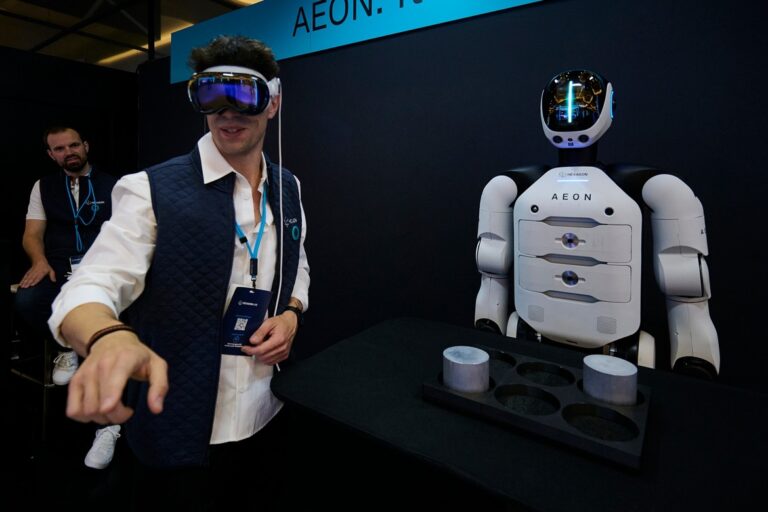
European companies are accelerating investment in humanoid robotics as the region seeks to regain technological momentum. Industrial expertise and automotive supply chains are emerging as key...
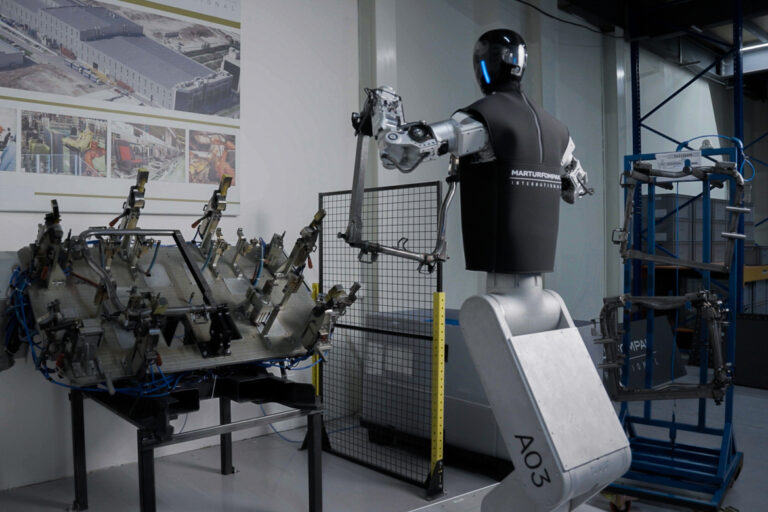
SAP, Humanoid, and Martur Fompak have completed a live warehouse trial linking enterprise AI agents to a humanoid robot. The test highlights how software-driven decisions can...
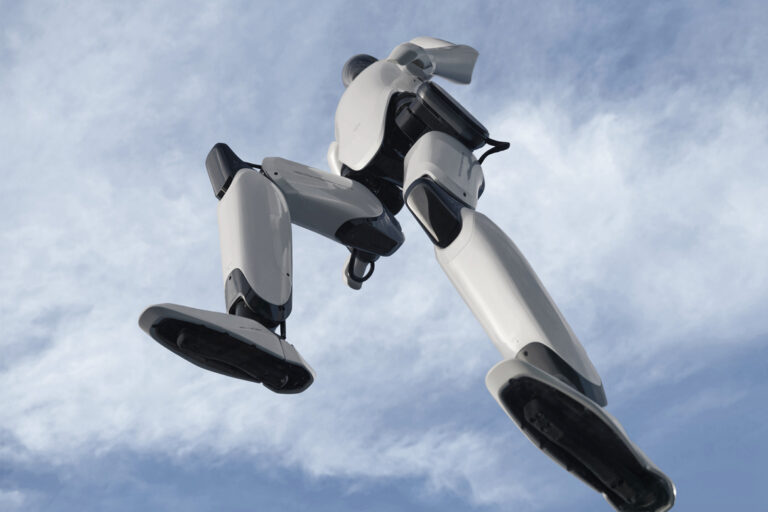
Xiaomi has introduced a redesigned bionic hand for its CyberOne humanoid robot, improving dexterity, tactile sensing, and durability. The upgrade reflects a broader push toward human-level...
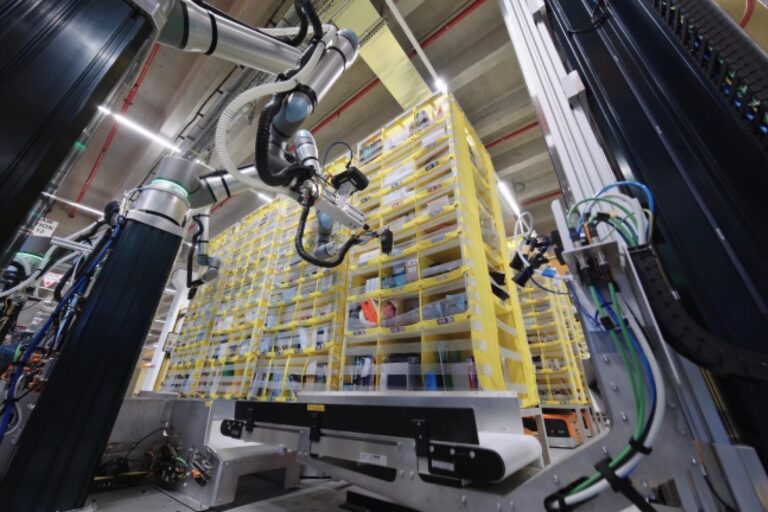
New research suggests increased robotics adoption could add AUD $201 billion to Australia’s GDP by 2040, but commercialization and deployment remain key challenges.
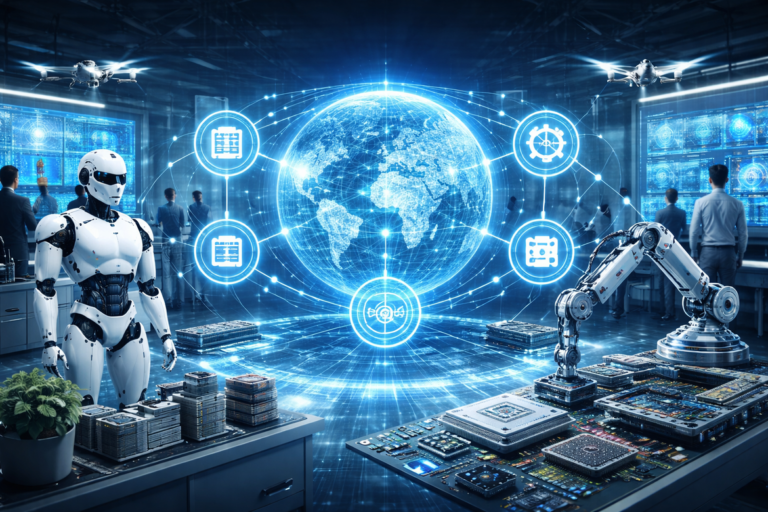
Comtech is building a global ecosystem linking chips, software and robotics companies, aiming to accelerate commercialization of embodied AI systems.
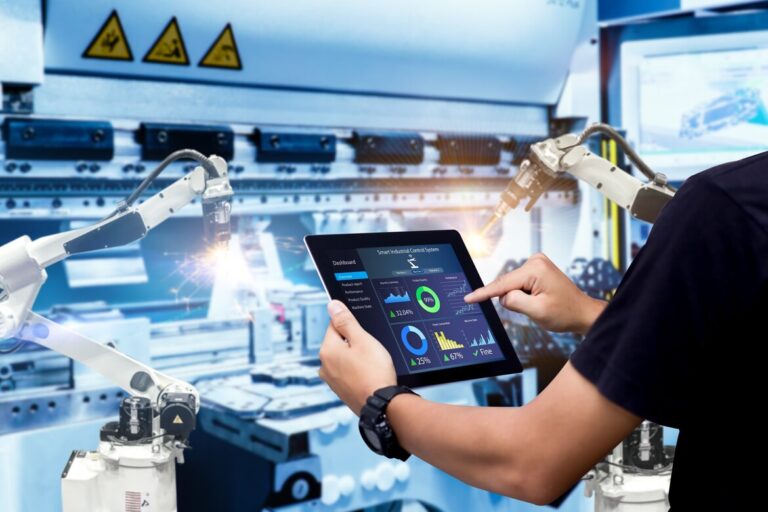
Chinese robotics and automation firm Inovance is preparing a Hong Kong listing that could raise up to $2 billion, highlighting growing investor appetite for industrial and...
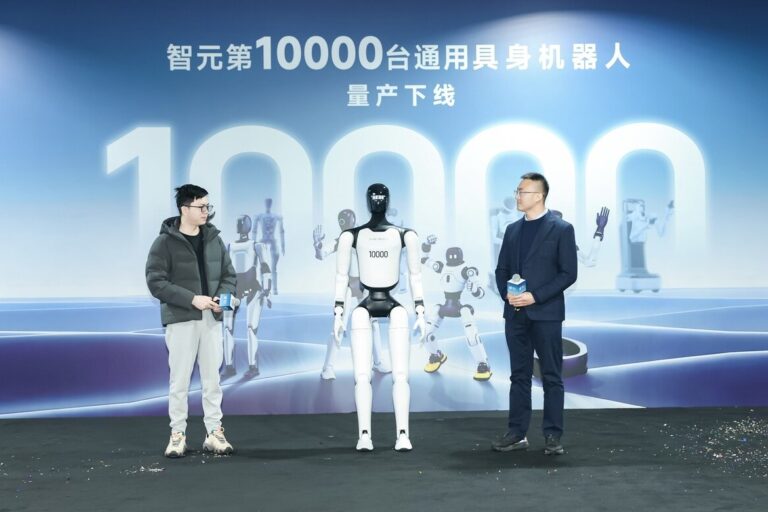
Agibot has produced 10,000 humanoid robots, signaling a transition from early deployments to large-scale commercial adoption of embodied AI systems.

Researchers have developed a system that allows robots to perform learned tasks faster than human demonstrations, addressing a key limitation in imitation learning.
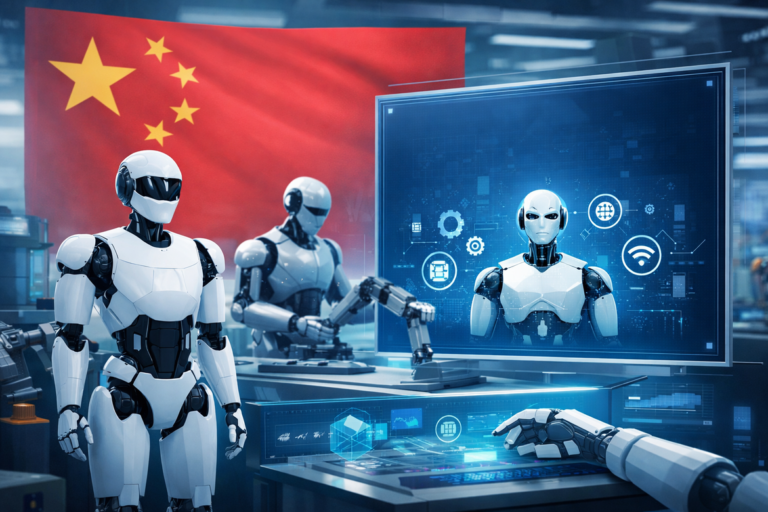
China has released its first industry standard for embodied artificial intelligence, establishing a unified framework to evaluate and deploy next-generation robotic systems.