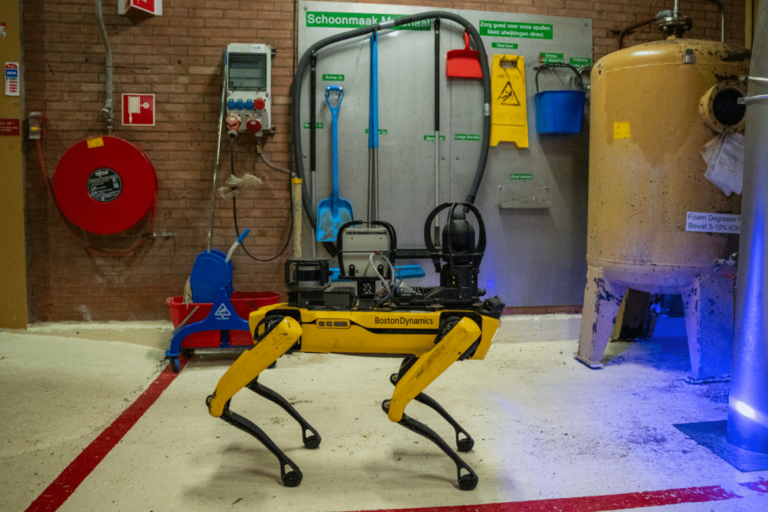
New System Lets Robots Outpace Human Teachers in Learning Tasks
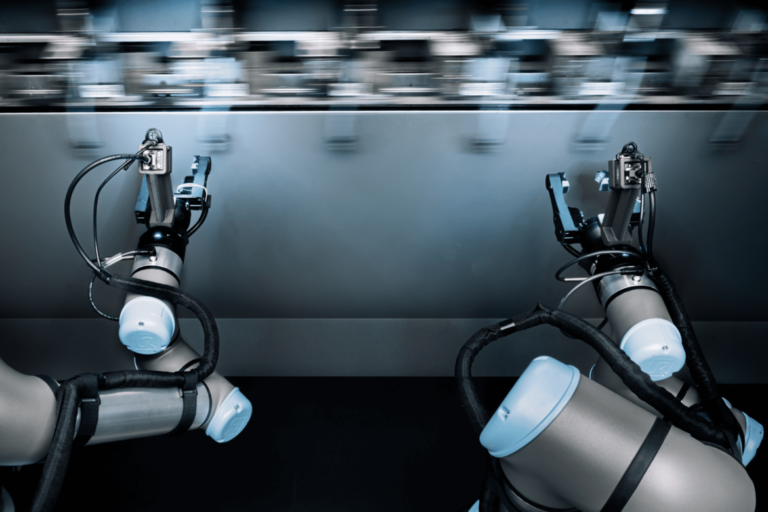
Researchers have developed a system that allows robots to perform learned tasks faster than human demonstrations, addressing a key limitation in imitation learning.
Industrial robotics refers to the use of programmable robotic systems in manufacturing and production environments to automate repetitive, precise, or physically demanding tasks. These robots are commonly deployed for assembly, welding, painting, material handling, packaging, and quality inspection across industries such as automotive, electronics, food production, and heavy manufacturing. This topic explores the evolution of industrial robots from isolated, fixed systems to flexible, sensor-rich platforms integrated with AI, vision systems, and advanced control software. It also covers collaborative robots (cobots), system integration, safety standards, and the role of robotics in smart factories and Industry 4.0 initiatives. As manufacturers pursue higher efficiency, consistency, and resilience, industrial robotics remains a core pillar of global automation and modern production infrastructure.
Researchers have developed a system that allows robots to perform learned tasks faster than human demonstrations, addressing a key limitation in imitation learning.
China has released its first industry standard for embodied artificial intelligence, establishing a unified framework to evaluate and deploy next-generation robotic systems.
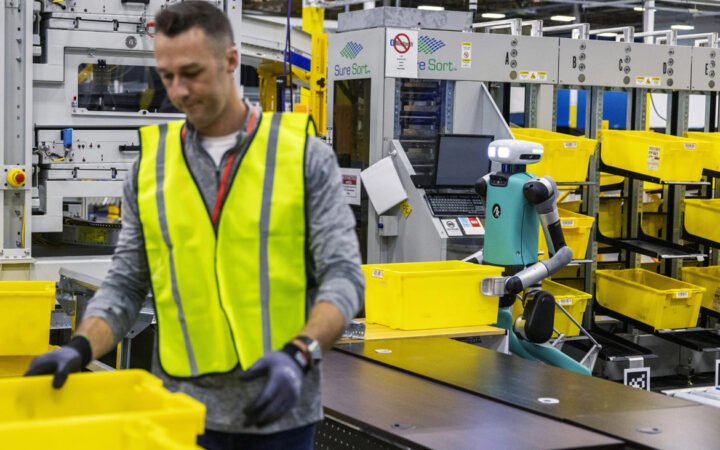
SAIC-GM has introduced humanoid robots into a Buick battery assembly line, marking an early step toward integrating embodied AI into automotive manufacturing.
Google DeepMind is partnering with Munich-based Agile Robots to integrate its Gemini Robotics models with industrial robot hardware, expanding Google’s push into real-world AI deployment.
Oxford spinout Stateful Robotics has raised $4.8 million to develop an AI platform designed to give robots memory and long-horizon planning capabilities for real-world industrial deployments.
LG Electronics is expanding its robotics ambitions by developing and manufacturing robot actuators in-house, positioning itself as a key supplier in the global robotics ecosystem.
Renault has begun deploying Calvin-40 robots in its Douai electric vehicle plant, using AI-trained machines to handle repetitive assembly tasks and accelerate EV production.
HD Hyundai has launched trials of humanoid robots designed for welding in shipyards, aiming to improve safety and efficiency by applying AI trained on the techniques of skilled welders.
Gecko Robotics has secured its largest U.S. Navy contract to deploy inspection robots that build digital twins of naval vessels. The systems aim to reduce costly maintenance delays and improve fleet readiness.
Foxconn is expanding its robotics strategy as demand for AI infrastructure surges. The company is working with partners including Skild AI, ABB, and NVIDIA to deploy intelligent robots in electronics assembly.