
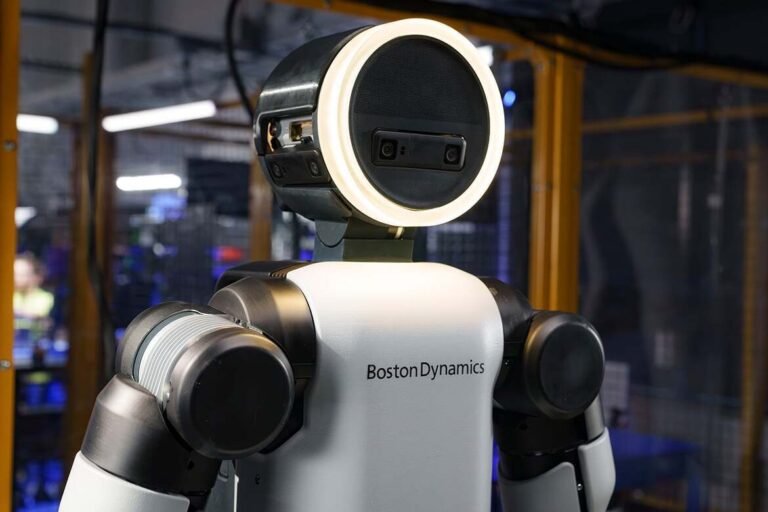
Hyundai’s Atlas Robot Emerges as Major Rival to Tesla’s Optimus
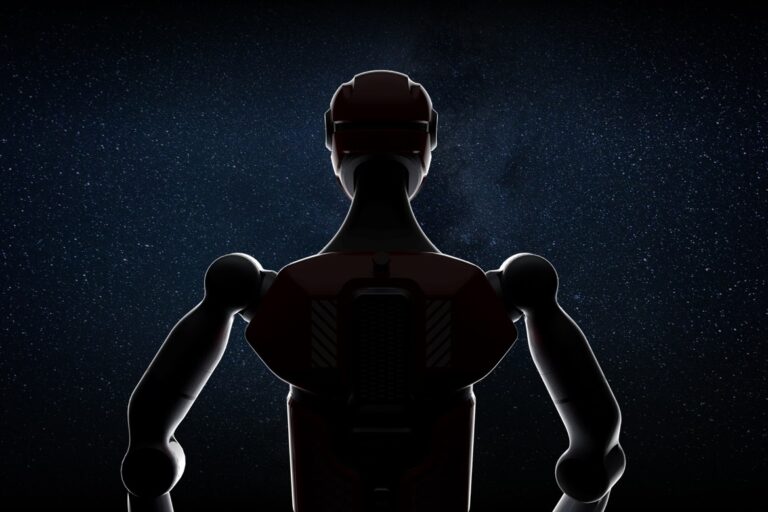
Hyundai’s Atlas humanoid robot is emerging as a major challenger to Tesla’s Optimus as automakers race to dominate what analysts see as a multi-trillion-dollar robotics market.
Physical AI refers to artificial intelligence systems that perceive, reason, and act in the physical world through sensors, actuators, and embodied control. Unlike purely digital AI, Physical AI connects software intelligence with real-world interaction, enabling robots, autonomous machines, and smart devices to move, manipulate objects, and respond to dynamic environments. This topic covers perception, motion planning, control systems, and learning-based behaviors used in robotics, autonomous vehicles, and industrial automation. It also explores simulation, digital twins, and real-world training methods that bridge the gap between virtual models and physical execution. As AI increasingly leaves the screen and enters the real world, Physical AI represents a critical foundation for scalable, intelligent machines operating outside controlled environments.
Hyundai’s Atlas humanoid robot is emerging as a major challenger to Tesla’s Optimus as automakers race to dominate what analysts see as a multi-trillion-dollar robotics market.
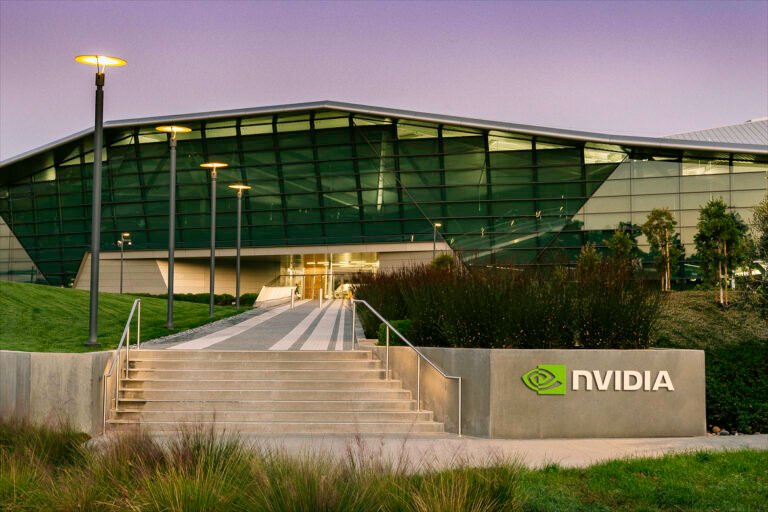
Nvidia’s record revenue and growing physical AI segment highlight the expanding computing demand behind autonomous vehicles and humanoid robots such as Tesla’s Optimus.
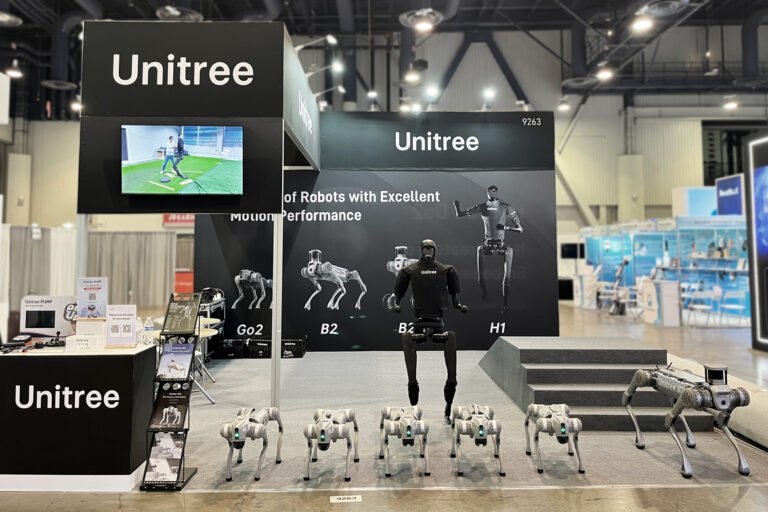
German Chancellor Friedrich Merz toured Unitree Robotics in Hangzhou, signaling Berlin’s interest in expanding cooperation with China’s fast-growing robotics and AI sector.
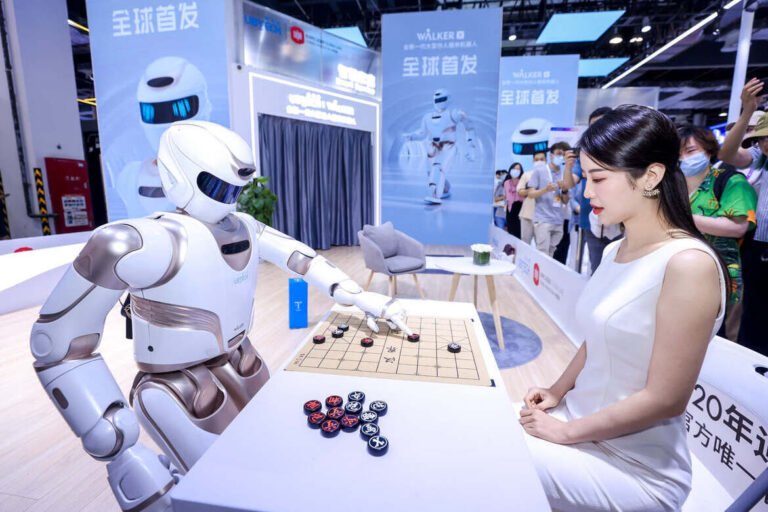
China’s robotics technology has reached approximately 98% of U.S. capability, according to MIT Professor Sangbae Kim, highlighting the growing importance of data and industrial scale in...
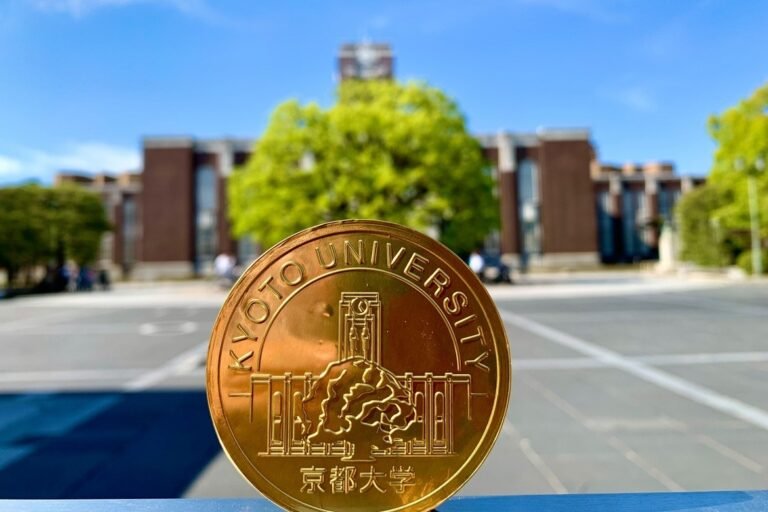
Kyoto University researchers have introduced Buddharoid, a humanoid robot monk trained on Buddhist scriptures, as AI begins to expand into cultural and spiritual roles.
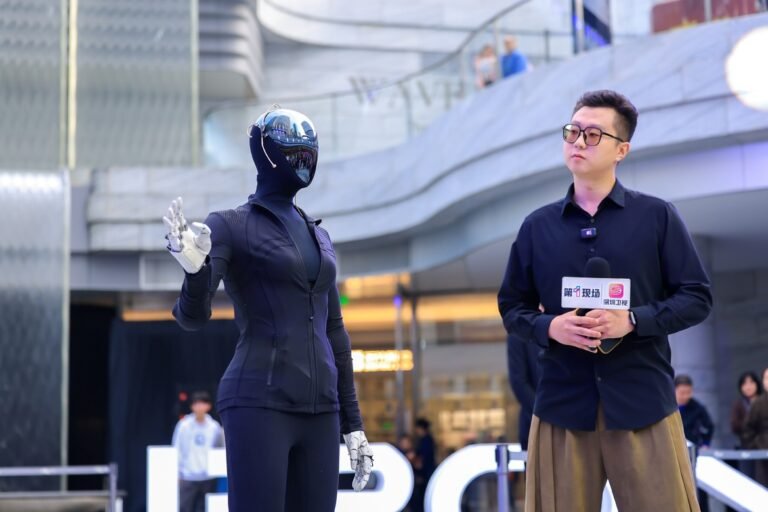
Xpeng has started building a dedicated humanoid robot manufacturing base in Guangzhou, aiming to achieve large-scale production by 2026 using vertically integrated AI and robotics technology.
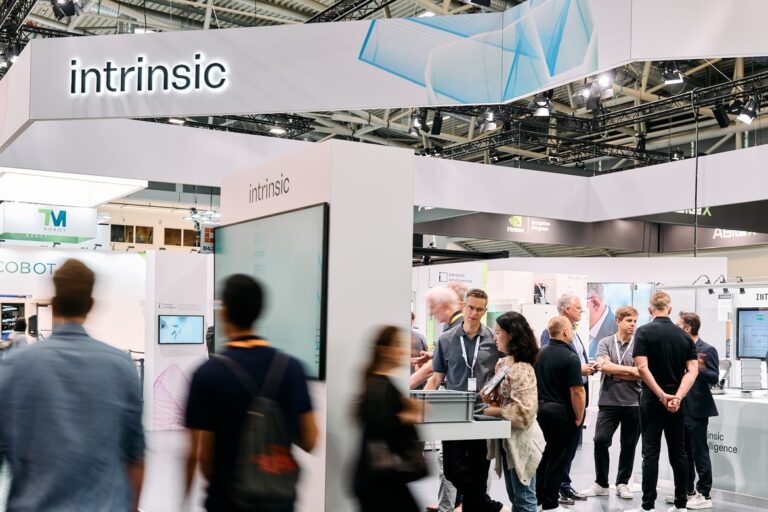
Google has brought robotics software company Intrinsic fully in house, signaling a major push to integrate its AI models and cloud infrastructure into industrial robotics.

RLWRLD has raised $26 million in new funding to develop robotics foundation models trained in real industrial environments, accelerating deployment across logistics and manufacturing.
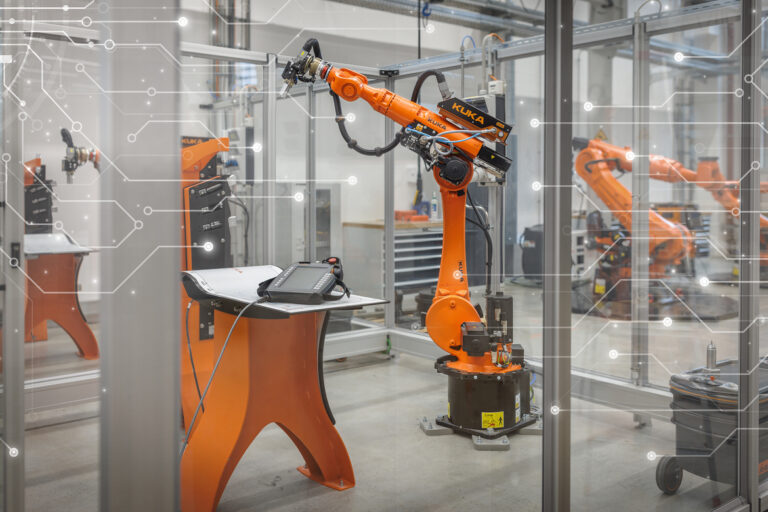
Germany’s robotics industry is projected to shrink again in 2026, raising concerns that Europe’s largest automation hub is losing ground to faster-growing competitors in Asia and...
China’s AI2 Robotics has raised $145 million in Series B funding to advance its embodied AI models and scale production of its AlphaBot robots for industrial...