
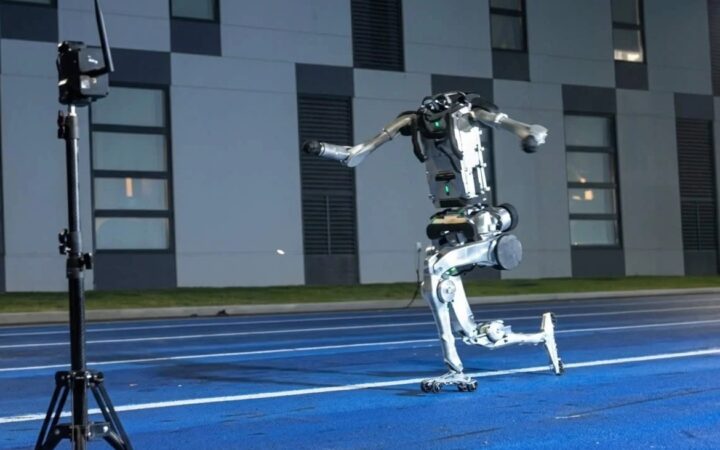
UBTECH Robotics has collected more than 13,000 pre-orders for its UWORLD U1 companion humanoid series, but the commercial test that matters arrives in mid-July when the company expects to begin collecting final payments from pre-order customers. The conversion rate at that point will determine how much of the pre-order figure translates into actual revenue – and whether the consumer pivot that has defined UBTECH’s 2026 strategy is commercially viable at its current price points.
The pre-order milestone briefly lifted UBTECH’s Hong Kong-listed shares 3.07% but the stock remains down 35.30% year-to-date and nearly 45% below its January peak. A net loss of 703 million yuan in 2025 and ongoing cash burn from operations leave little margin for conversion disappointment.
The Price and Product Reality
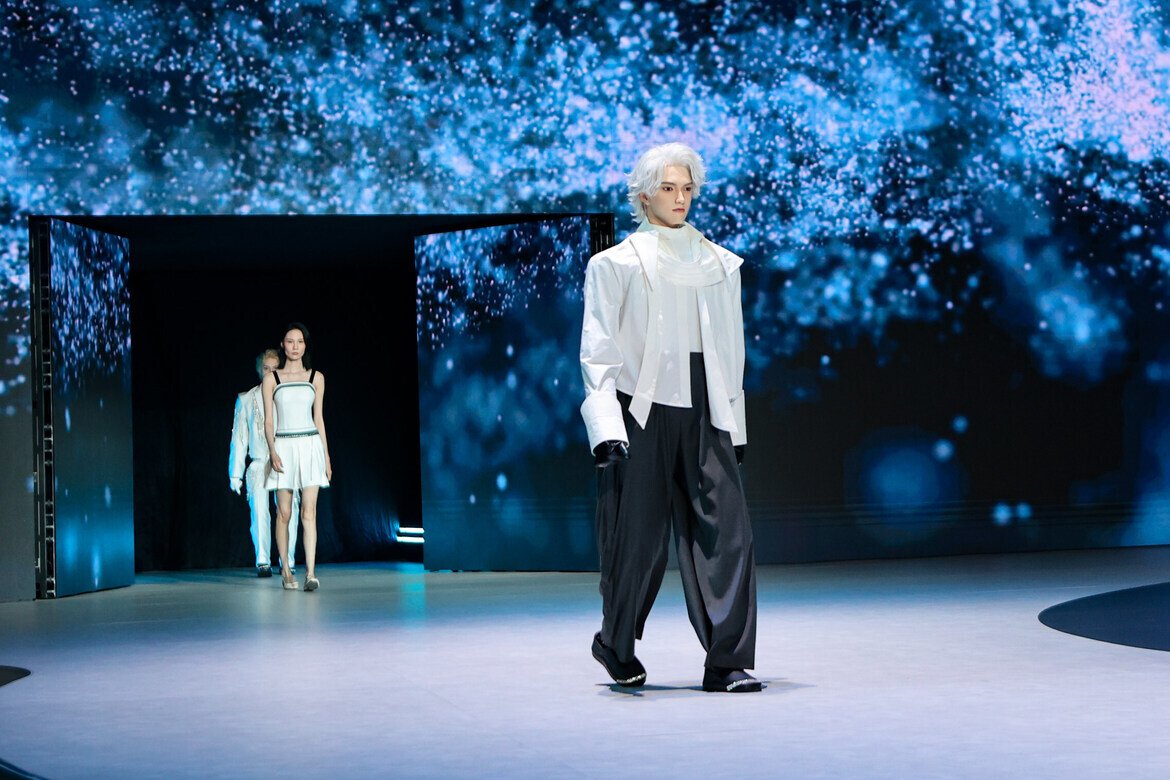
The U1 series spans a wide range. The Lite version starts at 119,800 yuan, the Pro at 169,800 yuan, and the Ultra configurations reach 880,000 to 990,000 yuan – approximately $146,000 at the high end. UBTECH is targeting singles and empty nesters seeking emotional companionship in a market where loneliness is a growing social concern. Analysts have cited a combined addressable market of nearly $147 billion across elderly and younger consumer demographics.
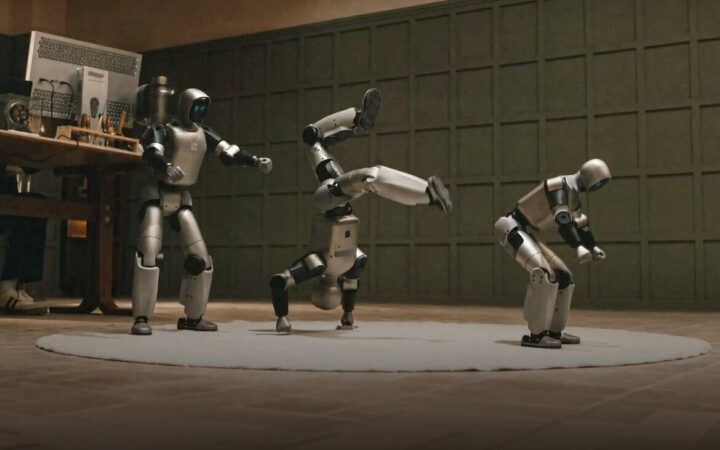
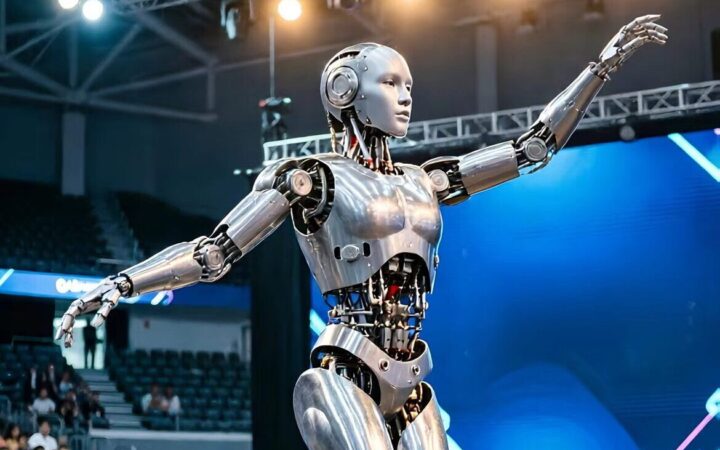
The product’s limitations have been visible in early demonstrations. The U1’s gait remains mechanical, and its battery life of two to four hours falls significantly short of the all-day companionship the marketing implies. Those constraints could amplify the uncanny valley effect – the discomfort associated with robots that look nearly but not quite human – which would dampen broad adoption even among consumers interested in the category.
The September Delivery Schedule
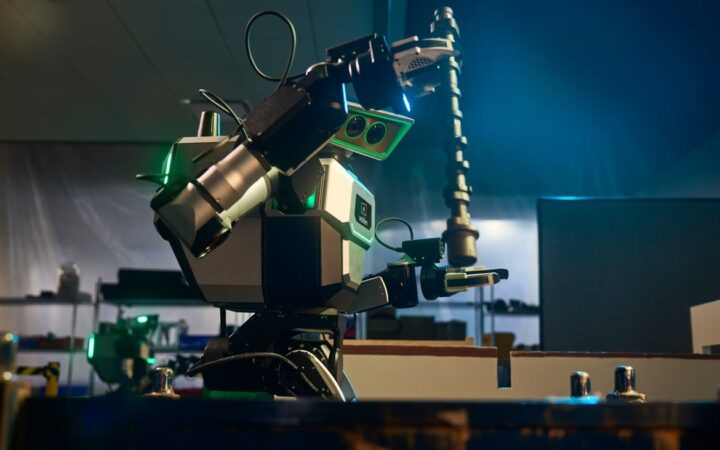
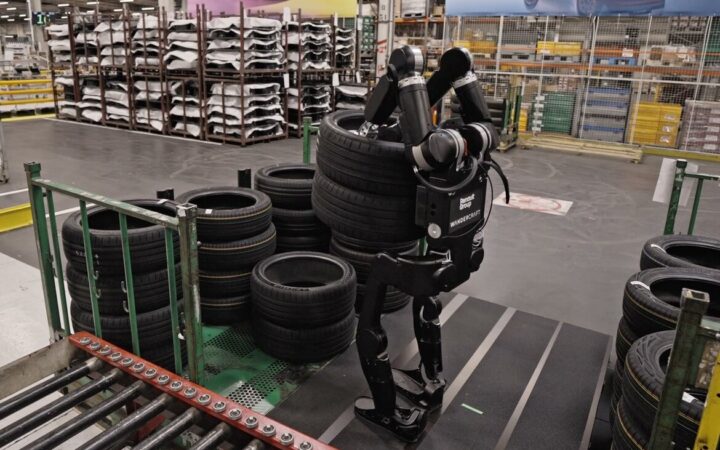
UBTECH has committed to beginning delivery of U1 units in September 2026. Between now and then, the company must execute on a production target that includes 10,000 U1 consumer units alongside 5,000 Walker S industrial robots, for a total of 20,000 humanoid units across both lines. Manufacturing costs are expected to fall 20% to 30% annually as volume scales. The company is developing all core components in-house, including biomimetic skin and emotion-driven language models, which it cites as a differentiation advantage.
The Competitive Context
The competitive landscape is tightening simultaneously with UBTECH’s consumer push. Unitree reported delivering more than 5,500 humanoid robots in 2025, claims a 32.4% global market share, and has secured approval for a Shanghai STAR Market listing at potentially lower manufacturing cost and healthier gross margins than UBTECH. LimX Dynamics closed a $200 million pre-IPO round on July 14 valuing the company at 15 billion yuan. China’s Ministry of Industry and Information Technology has a 2026 action plan targeting tens of thousands of robot deployments across 100 use cases.
State support may lift multiple companies simultaneously, but it also intensifies competitive pressure on UBTECH to demonstrate that its consumer model can scale before better-capitalized competitors capture the market with lower-cost alternatives. The weeks ahead – July payment collection, September delivery, and the subsequent earnings report – will determine whether the U1 pre-order figure represents genuine consumer demand or reservation interest that fades when final payment is required.
Disclaimer: RobotsBeat is an independent media brand owned and operated by NuvexMedia LLC, publishing news, research, and insights on artificial intelligence, emerging technologies, automation, and related industries. NuvexMedia LLC invests in and collaborates with companies across the AI, Robotics, technology, software, and digital innovation sectors. These relationships do not influence RobotsBeat's editorial coverage, and the publication maintains full editorial independence to provide accurate, timely, and objective information. © 2026 NuvexMedia LLC. All rights reserved. This content is for informational purposes only and should not be considered legal, tax, investment, financial, or other professional advice.