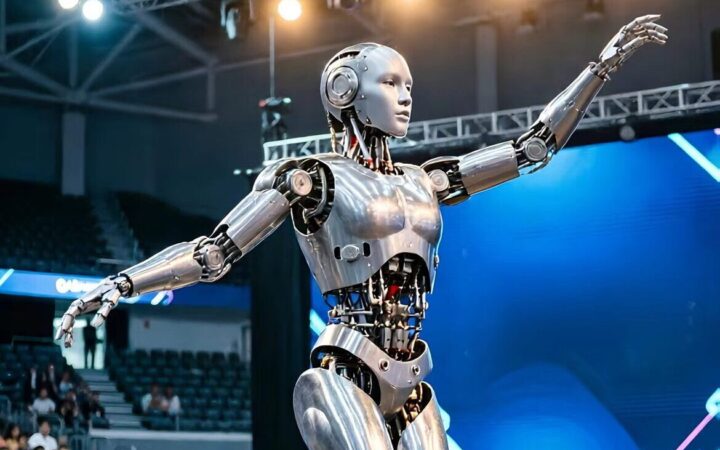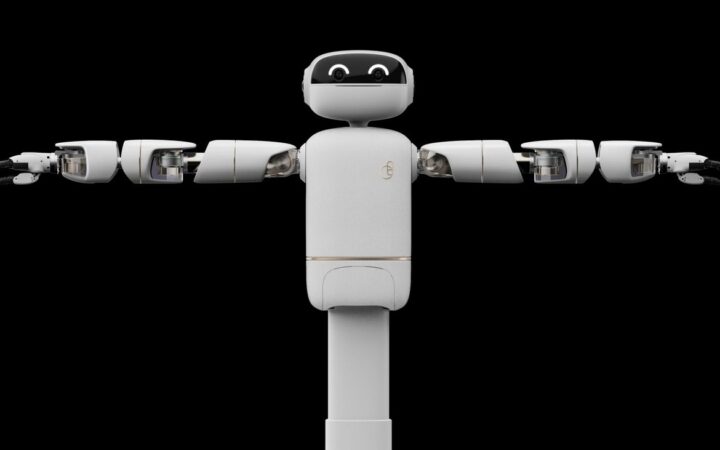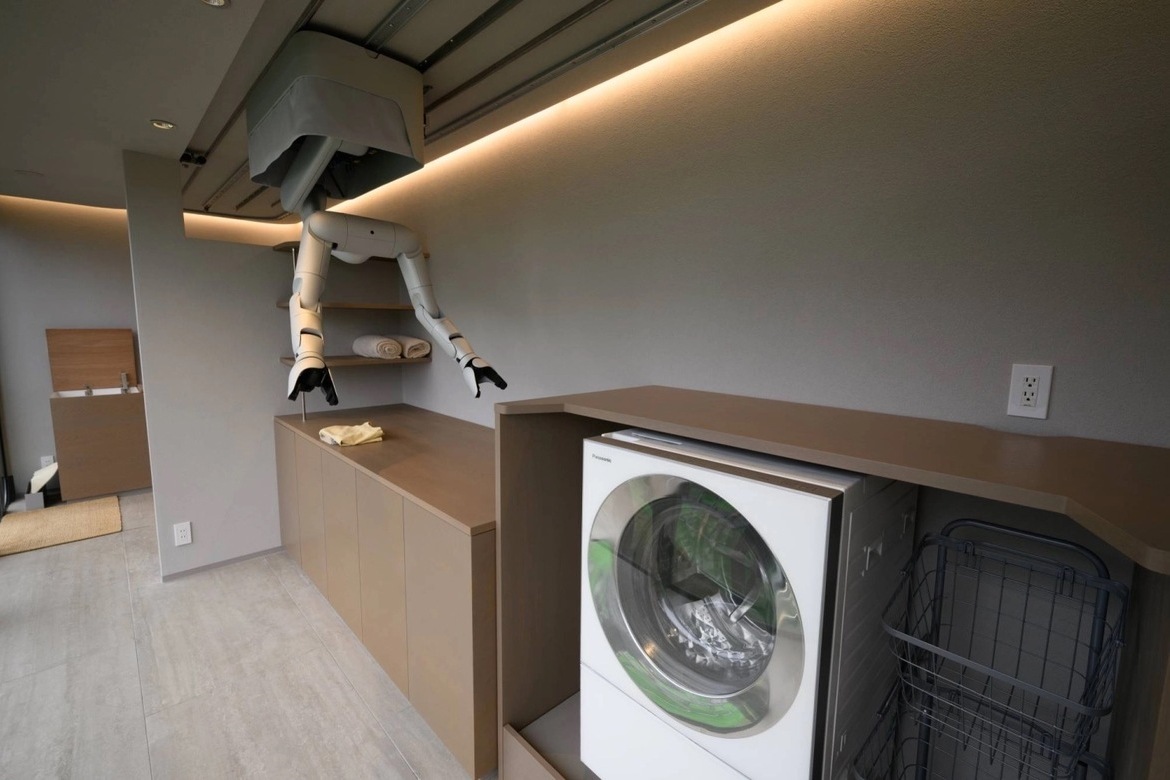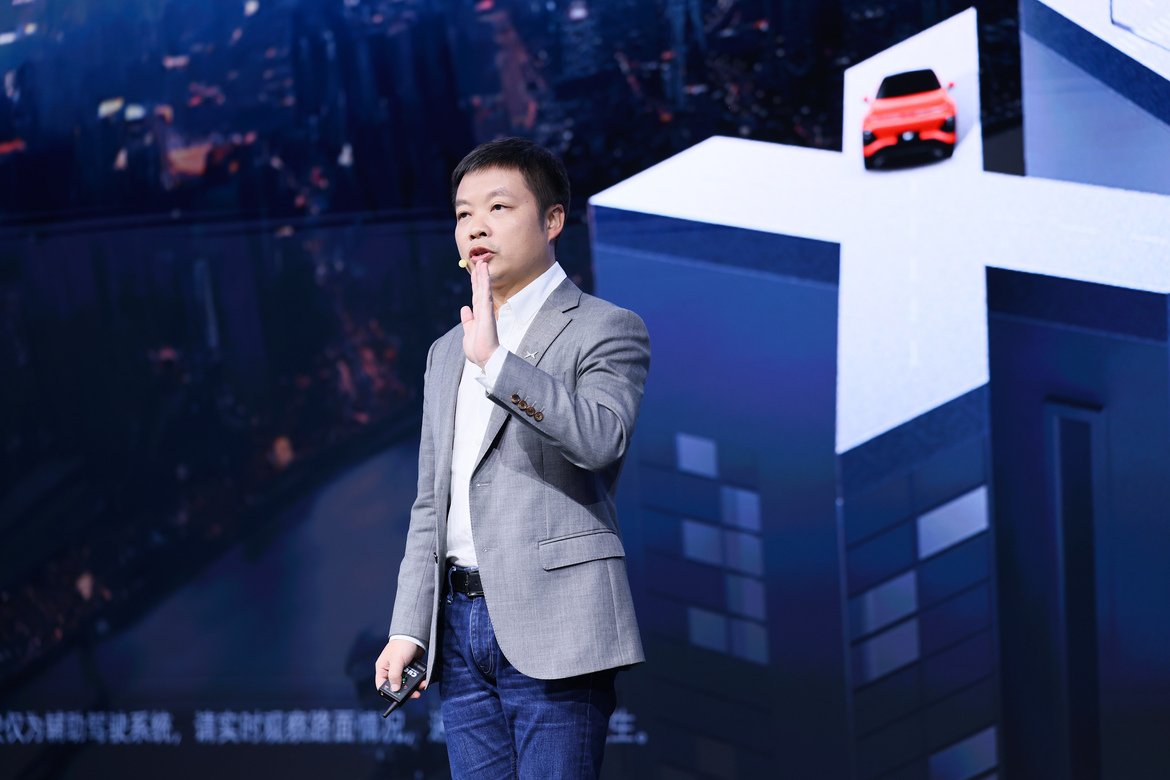

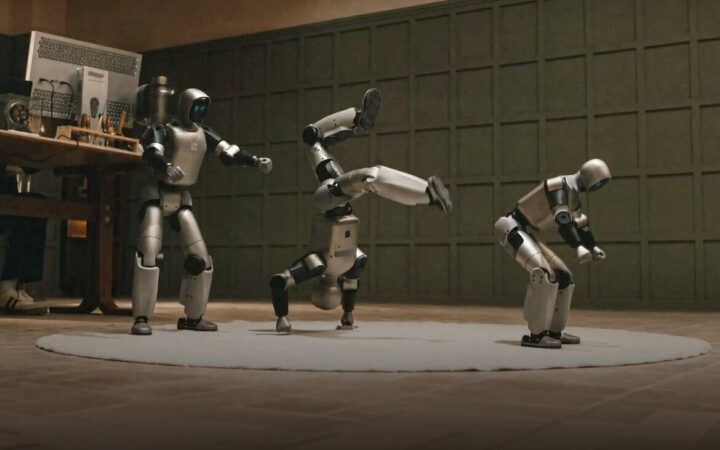
Xpeng CEO He Xiaopeng has assumed the role of CEO of the company’s robotics business unit, effective immediately, as the Chinese electric vehicle maker pushes toward mass production of its IRON humanoid robot by the end of 2026. He announced the decision in an internal letter reviewed by Reuters, describing the move as coming “on the eve of mass production and commercialization” of the IRON platform, which debuted publicly last year.
The announcement follows the departure of Shi Xiaoxin, a senior director of robotics product planning who had been a core executive on the IRON project. Xpeng confirmed the resignation without providing further details.
Why the CEO Is Taking Direct Control
He framed his decision to personally lead the robotics unit as a response to an increasingly competitive market at a critical execution juncture. “The industry is becoming increasingly hot and competitive, and we have clearly seen the direction and timing of victory, but it still requires more arduous implementation and extremely high decision-making ability,” He wrote in the internal letter.
Taking direct control of a business unit at the mass production threshold is a signal that He views robotics execution as requiring the same level of strategic attention he applies to the company’s core EV and autonomous driving businesses. Xpeng is one of the few Chinese automakers pursuing a fully self-developed humanoid platform – from chips and operating systems to joints and dexterous hands – and the transition from development to production at scale is the most operationally demanding phase of that program.
The IRON Deployment Timeline
He outlined a phased commercial rollout on a late May earnings call. IRON robots will first appear in Xpeng’s retail stores for trial use before commercial delivery to customers in China and internationally begins in 2027. By that point, He said robotics hardware and related AI models are expected to become one of the main drivers of Xpeng’s revenue and gross margins – an ambitious projection that implies rapid commercial scaling from a standing start.
Xpeng’s broader physical AI strategy spans humanoid robots, robotaxis, and flying cars. The company has previously disclosed plans to begin mass production of its flying car in 2027 and launch a robotaxi service in Guangzhou this year.
Financial Context
The leadership change and production push come at a financially pressured moment. Xpeng’s first-quarter revenue fell 17.6% year-on-year while net losses widened from the prior year, reversing the company’s first-ever quarterly break-even achieved in the fourth quarter of 2025. The robotics business represents both a potential new revenue stream and a significant capital demand, with the costs of mass production infrastructure, supply chain development, and AI model training requiring sustained investment ahead of commercial returns.
He’s decision to personally lead the unit removes an organizational layer between the CEO and the robotics program’s execution, concentrating accountability at the top as the company enters the period that will determine whether Xpeng becomes a commercially relevant humanoid manufacturer or remains a hardware developer.
Disclaimer: RobotsBeat is an independent media brand owned and operated by NuvexMedia LLC, publishing news, research, and insights on artificial intelligence, emerging technologies, automation, and related industries. NuvexMedia LLC invests in and collaborates with companies across the AI, Robotics, technology, software, and digital innovation sectors. These relationships do not influence RobotsBeat's editorial coverage, and the publication maintains full editorial independence to provide accurate, timely, and objective information. © 2026 NuvexMedia LLC. All rights reserved. This content is for informational purposes only and should not be considered legal, tax, investment, financial, or other professional advice.