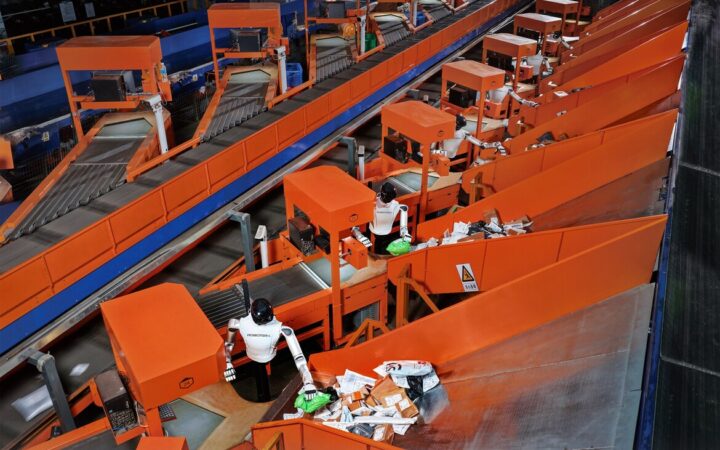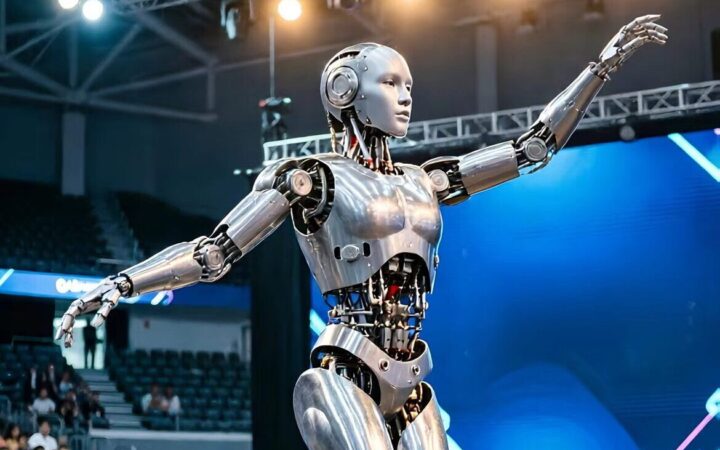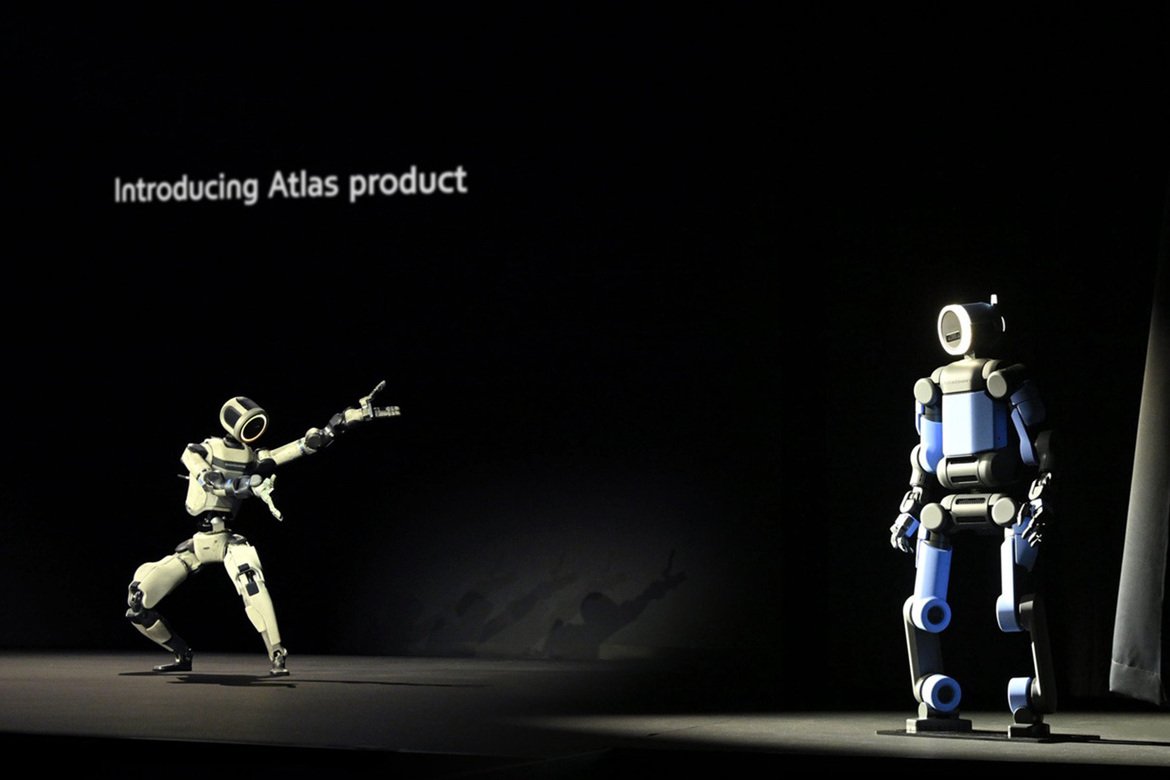


Hyundai Motor Group has outlined plans to deploy more than 25,000 Atlas humanoid robots across Hyundai Motor and Kia manufacturing facilities, according to investor relations materials presented during a JPMorgan Chase-hosted session on Tuesday. The group is targeting annual production capacity of 30,000 Atlas units by 2028, and plans to manufacture more than 300,000 actuator units per year at facilities in the United States.
The announcement is the most specific public commitment Hyundai Motor Group has made on Atlas deployment scale, providing investor-facing detail on a robotics program that the conglomerate has been building since its acquisition of Boston Dynamics in 2021.
Deployment Timeline and Locations
The group did not provide a detailed facility-by-facility rollout schedule in the investor materials, but Kia CEO Song Ho-sung outlined the phasing during recent overseas road shows. The initial deployment is planned for Hyundai Motor Group Metaplant America in Georgia in 2028, with Kia’s Georgia plant following in 2029. Both facilities are in the same U.S. state, suggesting a regional rollout strategy that concentrates early Atlas deployment where Hyundai’s existing U.S. manufacturing infrastructure is most developed.
The 25,000-unit deployment target across Hyundai and Kia plants would, if realized, represent one of the largest single-operator humanoid robot fleet deployments in the world – substantially larger than any installation currently operating or publicly announced by any manufacturer or automotive group.
Manufacturing Infrastructure
The plan to produce more than 300,000 actuator units annually at U.S. facilities is strategically significant alongside the deployment numbers. Actuators – the components that function as joints and muscles in a humanoid robot – are among the most mechanically complex and cost-sensitive elements of the supply chain. Bringing actuator manufacturing in-house and onshore gives Hyundai greater control over supply chain risk, component quality, and cost as it scales Atlas production.
The 30,000-unit annual production capacity target for Atlas by 2028 provides a ceiling that matches the deployment demand Hyundai is signaling. Whether Boston Dynamics can ramp from its current production rate of approximately four units per month to 30,000 per year within two years is the central execution question the plan raises – a gap that reflects the manufacturing challenge the group is now publicly committing to close.
The investor relations context for these announcements is relevant. Hyundai Motor Group shares have risen more than 85% in 2026, driven in part by Atlas-related expectations following the CES unveil in January. The JPMorgan session detail provides the market with the first quantified deployment targets to evaluate that valuation premium against.
Disclaimer: RobotsBeat is an independent media brand owned and operated by NuvexMedia LLC, publishing news, research, and insights on artificial intelligence, emerging technologies, automation, and related industries. NuvexMedia LLC invests in and collaborates with companies across the AI, Robotics, technology, software, and digital innovation sectors. These relationships do not influence RobotsBeat's editorial coverage, and the publication maintains full editorial independence to provide accurate, timely, and objective information. © 2026 NuvexMedia LLC. All rights reserved. This content is for informational purposes only and should not be considered legal, tax, investment, financial, or other professional advice.