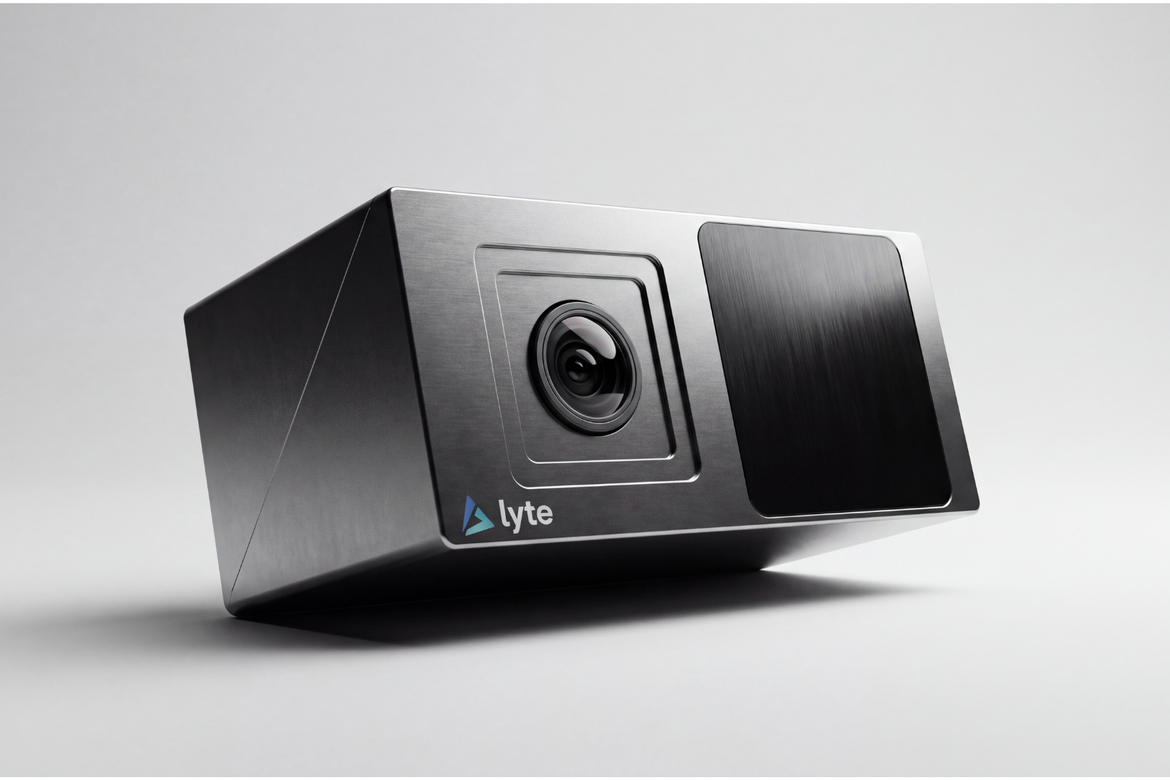

Lyte has raised $165 million in a Series C round led by Maverick Silicon at a $1.6 billion post-money valuation, more than tripling its valuation from January 2026 when it emerged from stealth with $107 million raised. Total funding now stands at $272 million as the Mountain View-based company moves from prototypes into production deployments with inspection, logistics, and manufacturing customers. Maverick Silicon managing partner Andrew Homan has joined Lyte’s board alongside the round.
Lyte was founded in 2021 by Alexander Shpunt, Arman Hajati, and Yuval Gerson, three former Apple engineers who worked on the depth-sensing technology behind Face ID. Shpunt previously co-founded PrimeSense, the Israeli 3D-sensing company whose technology powered Microsoft Kinect before Apple acquired it in 2013.
What LyteVision Does
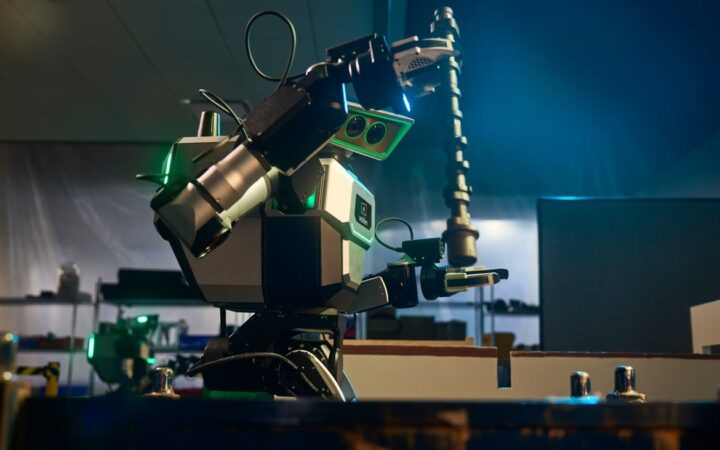
The company’s core product is LyteVision, a perception platform that fuses a camera, inertial motion sensing, and a 4D sensor measuring both distance and velocity into a single synchronized data stream. The integration happens at the silicon level rather than leaving robot developers to reconcile signals from mismatched components after the fact.
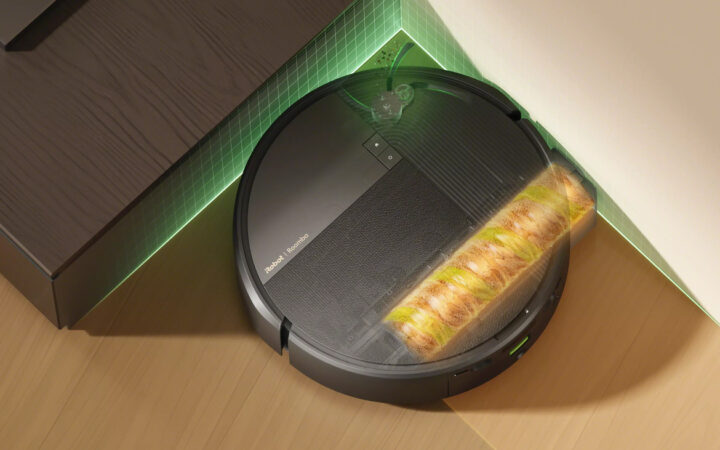
The practical problem LyteVision addresses is latency and calibration drift. A warehouse robot using standard off-the-shelf components typically spends processing cycles reconciling mismatched sensor feeds from components that operate on different timing cycles and reference frames. Lyte’s pitch is that measuring motion natively in hardware eliminates that reconciliation problem before it propagates into downstream AI model inputs – producing more accurate, lower-latency perception data than assembled component stacks can provide.
“Physical AI has a sensing problem before it has a model problem,” said Alexander Shpunt, Lyte’s CEO. “A robot cannot act safely on data that does not faithfully describe the world.”
The Full-Stack Silicon Bet
Lyte’s competitive positioning is built on vertical integration. By owning the custom silicon, optics, and software, the company argues it can eliminate the latency and calibration problems that plague robotics teams assembling perception stacks from separate vendors. This is a different wager from competitors operating in the same space: Rhoda AI raised $450 million at a $1.7 billion valuation betting on video-trained foundation models rather than owned silicon; RealSense, spun out of Intel, approaches the camera-and-depth-sensor market without custom silicon; Luxonis sells an open-source hardware alternative built around its OAK cameras.
“Owning the silicon separates companies that define a category from those that participate in one,” said Avigdor Willenz, Lyte’s chairman. “Lyte controls every layer of how a robot understands the world and is now taking that breakthrough engineering into production.”
How the Capital Will Be Used
Lyte will use the Series C to scale silicon production, expand LyteVision deployments, and grow headcount across silicon, software, optics, and manufacturing functions. Existing investor Fidelity Management and Research, which led the Series B, returned alongside Atreides Management, Key1 Capital, and Ora Global.
“The breadth and diversity of early customer demand strengthen our conviction that Lyte is poised to become one of the defining technology companies of the robotics era,” said Homan.
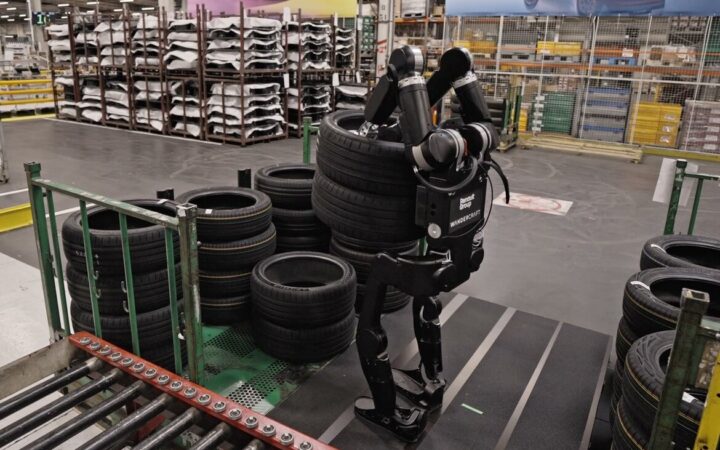
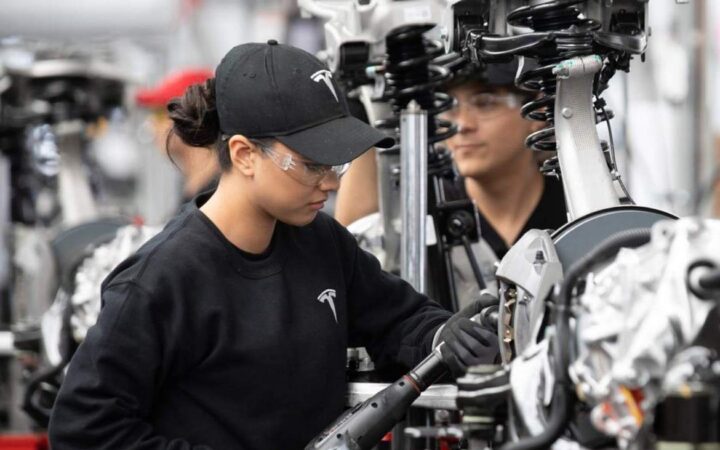
The AI robotics market is projected to reach $125 billion by 2030. Whether the vertical integration approach Lyte is pursuing outperforms the model-licensing and modular hardware strategies its competitors favor will ultimately be determined by which approach ships fewer miscalibrated robots in production environments – a question that the current round of deployments across inspection, logistics, and manufacturing will begin to answer.
Disclaimer: RobotsBeat is an independent media brand owned and operated by NuvexMedia LLC, publishing news, research, and insights on artificial intelligence, emerging technologies, automation, and related industries. NuvexMedia LLC invests in and collaborates with companies across the AI, Robotics, technology, software, and digital innovation sectors. These relationships do not influence RobotsBeat's editorial coverage, and the publication maintains full editorial independence to provide accurate, timely, and objective information. © 2026 NuvexMedia LLC. All rights reserved. This content is for informational purposes only and should not be considered legal, tax, investment, financial, or other professional advice.