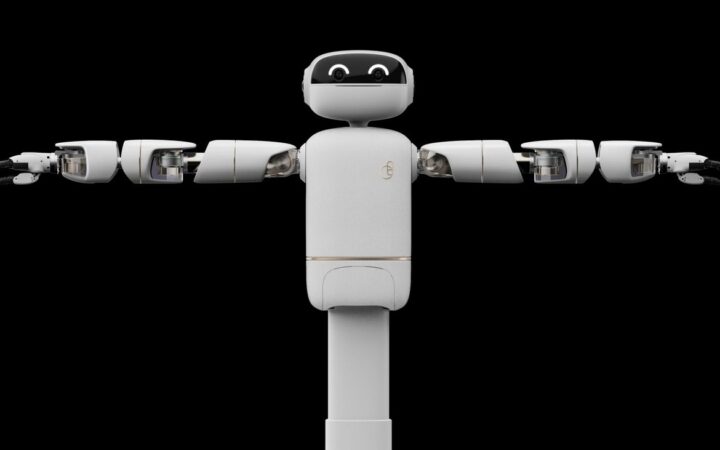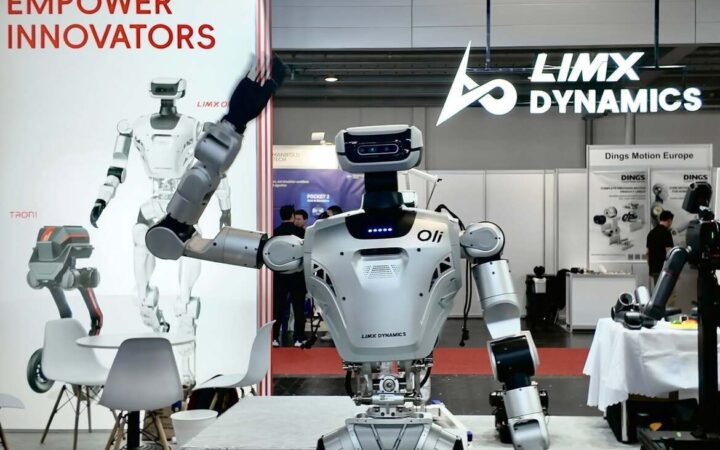

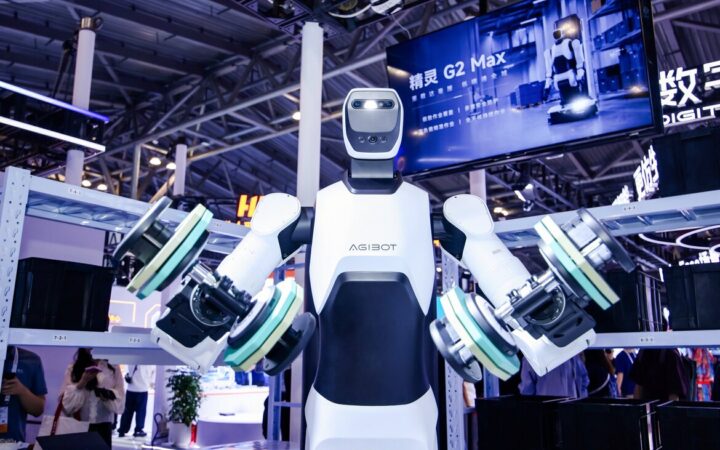
Chinese automotive supplier Minth Group and AgiBot have opened a humanoid robot manufacturing facility in Sabac, Serbia, with the first robot rolling off the production line during a ceremony attended by Serbian President Aleksandar Vucic on Saturday. The facility is described as Europe’s first mass-production base for humanoid robots invested by Chinese enterprises, and represents a strategic expansion of China’s humanoid robot supply chain into European territory as U.S. import restrictions on Chinese-manufactured robots tighten.
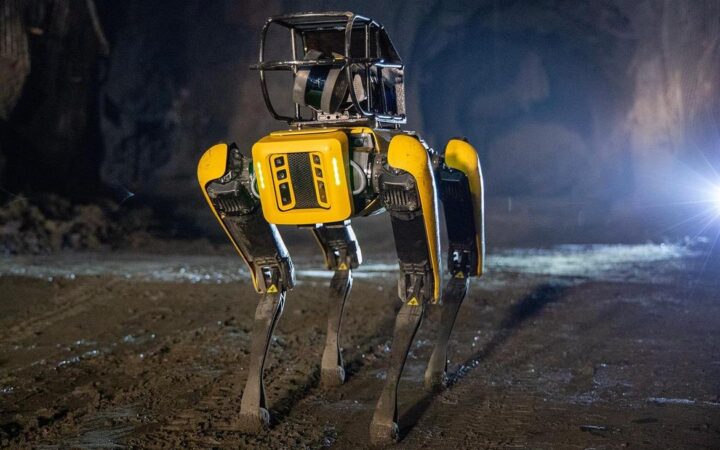
The first phase covers approximately 3,000 square meters with an investment of 20 million euros, focused on assembling humanoid robots and robotic dogs, calibrating motion and vision systems, and conducting performance tests. A full robotics industrial park is planned for the site, with total investment expected to reach approximately 200 million euros and annual production capacity targeting up to 20,000 humanoid robots and robotic dogs for European and global markets.
What Was Demonstrated
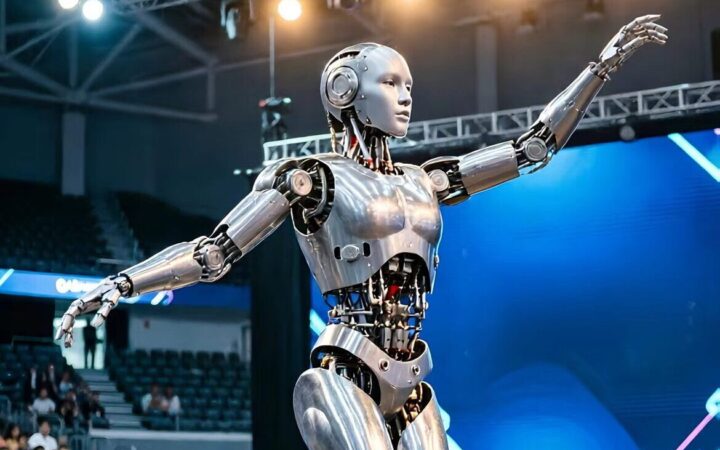
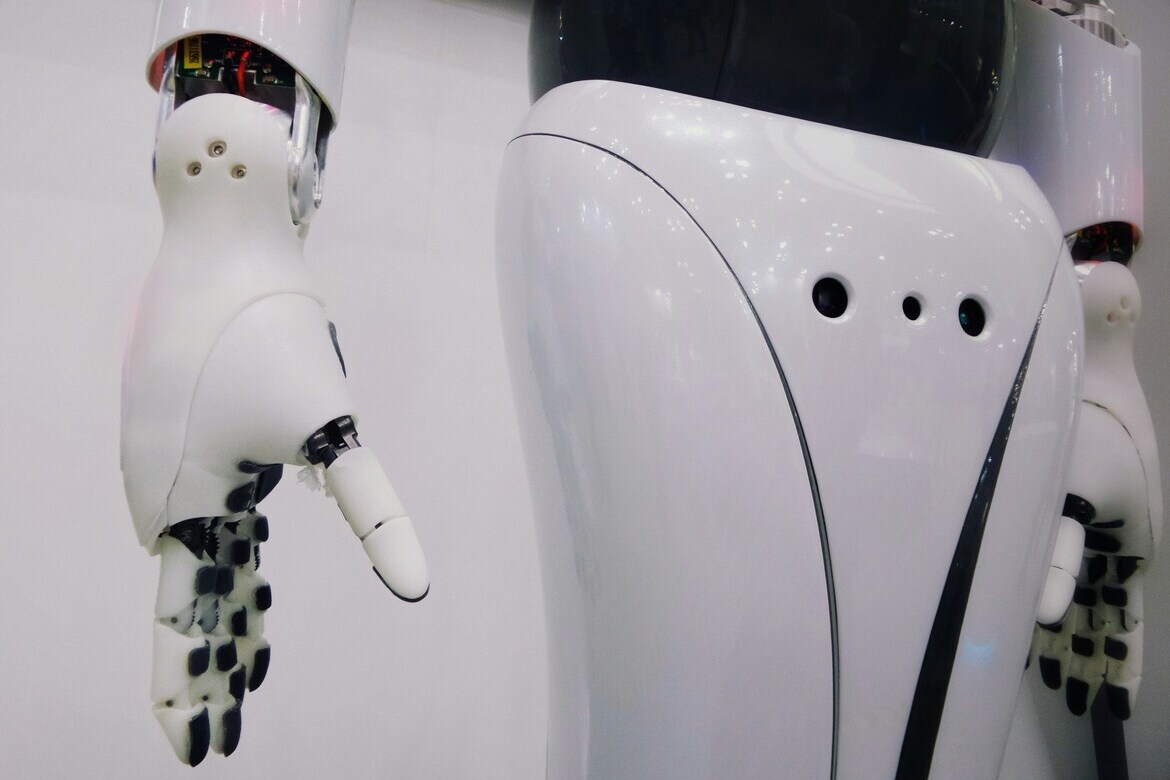
The first robot produced at the Sabac facility demonstrated Chinese calligraphy, clothes folding, chess playing, and dancing during the launch ceremony. The robot is equipped with multimodal perception systems including tactile and sensing technologies integrated into the fingertips for precise force control and flexible grasping. AI deep-learning algorithms enable autonomous adaptation to complex environments and continuous capability improvement.
Vucic interacted with the robot and described the facility as opening a new field of technological development for Serbia. “Serbia is becoming a frontrunner in the mass production of humanoid robots in Europe,” he said. The president said Serbia hopes to integrate robot manufacturing with AI, supercomputing, and data center industries while boosting local talent development and employment. The factory is expected to produce more than 5,000 humanoid robots annually, with deployment targets spanning healthcare, agriculture, industry, and defense.
Why Serbia
Minth Group’s choice of Serbia is grounded in an eight-year industrial presence: the company first entered the Serbian market in 2018 and has since established 10 factories in the country. The existing manufacturing ecosystem, supply chain relationships, and workforce mean the robot plant will not operate as an isolated greenfield investment but can draw on established infrastructure.
Serbia’s geographic position in the Balkans – connecting Central and Eastern Europe with Western European markets – provides logistical advantages for companies seeking to serve the wider European region. Two additional investment agreements signed in late May, worth a combined 226 million euros and expected to create 820 jobs in Loznica and Sabac, reinforce Serbia’s positioning as a strategic hub for Minth Group’s European operations.
The U.S. Restriction Context
The Sabac facility opens weeks after the Trump administration’s July 28 import ban on new foreign-made robots citing national security concerns, and the FCC’s addition of Chinese-manufactured robotic hardware to its Covered List. A European manufacturing presence allows Chinese robotics companies to produce and sell into markets – including European Union member states – that would otherwise face supply chain complications from U.S.-origin trade restrictions or from European regulatory scrutiny of Chinese-manufactured hardware.
Chen Jing of the Technology and Strategy Research Institute told the Global Times that the factory could help fill a gap in localized European mass-production capacity and accelerate the transition of humanoid robots from laboratories to industrial applications. “Serbia is now moving to the forefront of humanoid robot mass production, potentially becoming a link between Chinese technological capabilities and European market demand,” Chen said.
Disclaimer: RobotsBeat is an independent media brand owned and operated by NuvexMedia LLC, publishing news, research, and insights on artificial intelligence, emerging technologies, automation, and related industries. NuvexMedia LLC invests in and collaborates with companies across the AI, Robotics, technology, software, and digital innovation sectors. These relationships do not influence RobotsBeat's editorial coverage, and the publication maintains full editorial independence to provide accurate, timely, and objective information. © 2026 NuvexMedia LLC. All rights reserved. This content is for informational purposes only and should not be considered legal, tax, investment, financial, or other professional advice.