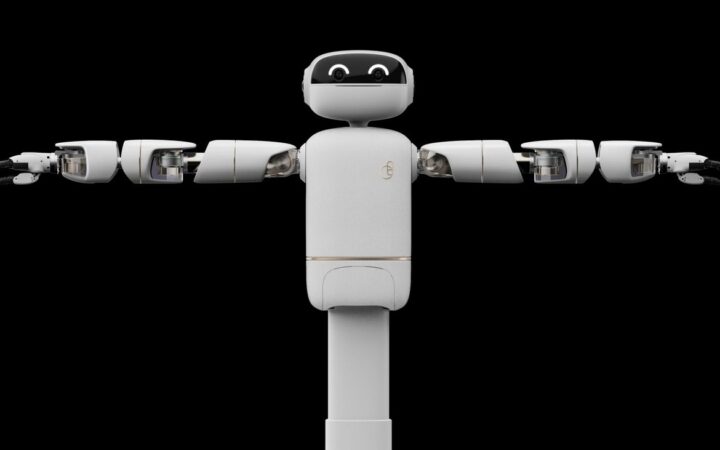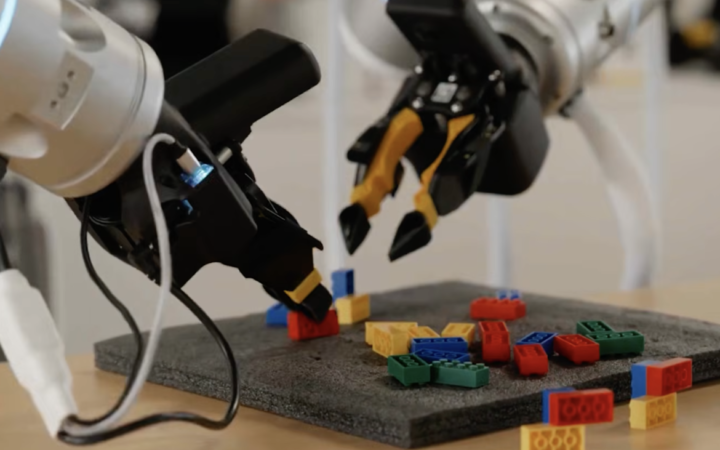


South Korea’s Ministry of Science and ICT has launched a 50.4 billion won program to develop a domestically built AI humanoid platform for use in hospitals and residential care facilities, reducing the country’s current dependence on foreign robot platforms for humanoid research. The initiative, called the Public-Private Partnership-Based AI Humanoid Core Technology Advancement Project, runs from 2026 through 2030, combining 35.4 billion won in state funding with 15 billion won from private sector partners.
The kickoff meeting was held at the Korea Institute of Science and Technology, which will serve as the lead organization for the 11-institution consortium.
Why Korea Is Building Its Own Platform
South Korean researchers currently rely on foreign humanoid platforms – including China’s Unitree G1 – for domestic humanoid research, a dependency the government views as a strategic vulnerability as the sector becomes commercially significant. The program’s primary goal is to establish a self-sufficient domestic humanoid industry built around a platform Korea owns.
Lee Jong-won, head of KIST’s Humanoid Research Division, was direct about the current state of the technology: “The task completion rate of currently disclosed humanoids is around 30 percent, and their daily operating time is only three to four minutes.” The program’s stated targets are a task completion rate above 90% and continuous operation of eight hours per day for an entire month – performance thresholds that would make the robots practically deployable in care environments rather than demonstration-ready only.
The K-AI Humanoid Platform
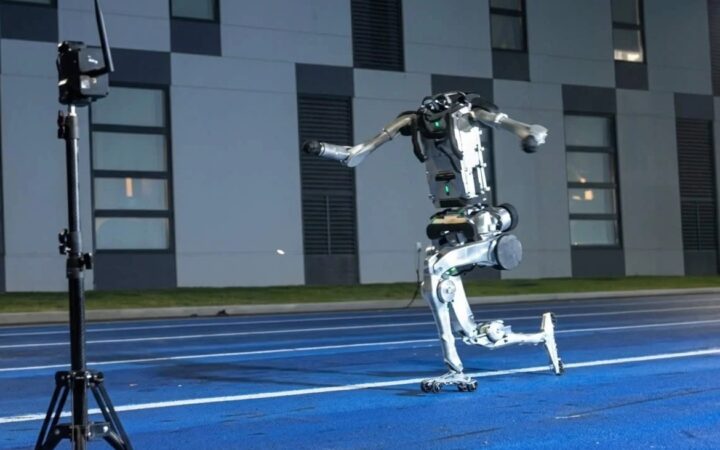
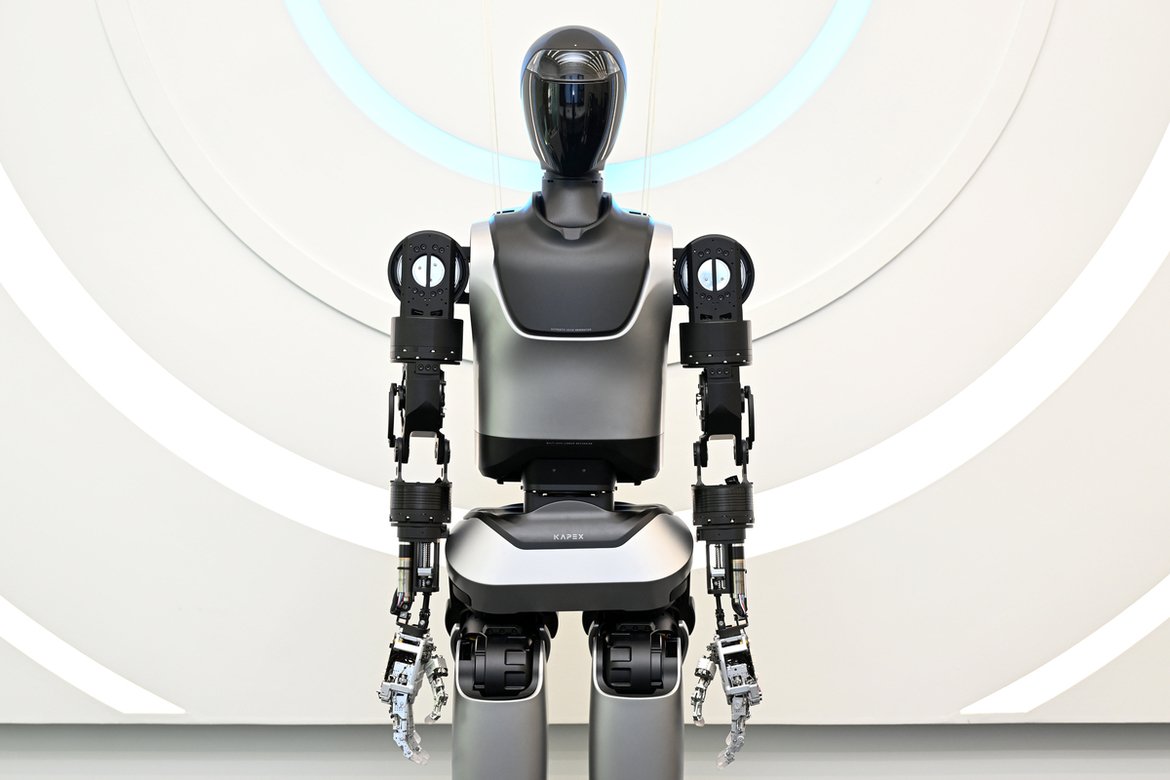
Development will be based on KAPEX, a humanoid independently developed by KIST, which LG Electronics and WIRobotics will enhance into mass-production and mobile variants. The platform will integrate physical AI, learning software, sensory hardware, and data infrastructure developed across the 11 participating institutions as a coordinated package rather than separate components.
LG Energy Solution will apply solid-state battery technology to the robot platform, targeting reduced fire risk and improved stability during extended operation – a safety consideration particularly relevant for robots operating in hospitals and care facilities alongside vulnerable patients.
The government plans to manufacture more than 20 humanoid robots by 2030 for deployment in multi-user group residential facilities. Target tasks include cleaning and organizing living spaces, sorting recyclables, and delivering supplies within hospital wards – applications chosen for their social value and the structured nature of the operating environment.
The Consortium
Eleven institutions are participating. Industry partners include LG Electronics, LG AI Research, LG Energy Solution, Robostar, and WIRobotics. Academic participants include Seoul National University, KAIST, Korea University, and Kyung Hee University. Hallym University Sacred Heart Hospital is the sole medical institution in the group, providing the clinical context for deployment testing and real-world validation.
“We will pool the capabilities of industry, academia, research institutes and hospitals to swiftly drive technology development, on-site demonstrations and mass production, and do everything we can to ensure that Korea secures leadership in the global AI humanoid market,” said Kim Sung-soo, head of the R&D Policy Bureau at the Ministry of Science and ICT.
Disclaimer: RobotsBeat is an independent media brand owned and operated by NuvexMedia LLC, publishing news, research, and insights on artificial intelligence, emerging technologies, automation, and related industries. NuvexMedia LLC invests in and collaborates with companies across the AI, Robotics, technology, software, and digital innovation sectors. These relationships do not influence RobotsBeat's editorial coverage, and the publication maintains full editorial independence to provide accurate, timely, and objective information. © 2026 NuvexMedia LLC. All rights reserved. This content is for informational purposes only and should not be considered legal, tax, investment, financial, or other professional advice.