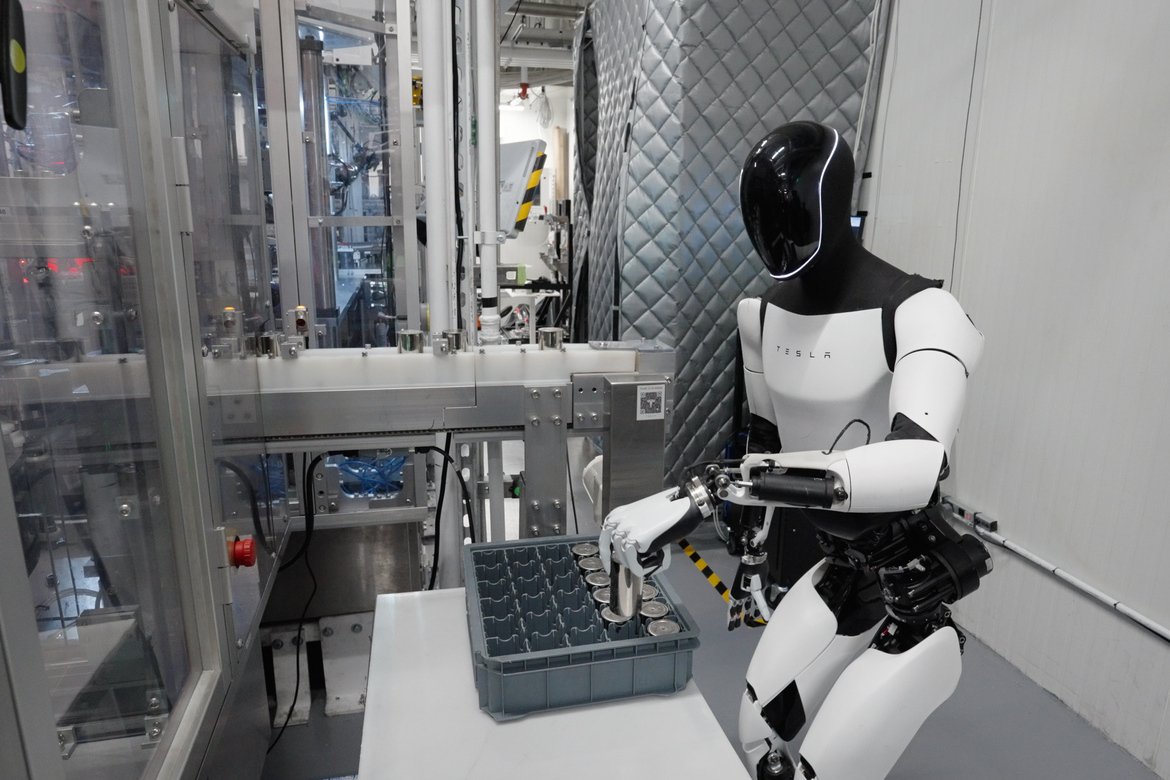

Tesla is pressing forward with its plan to convert the Fremont facility’s Model S and Model X production capacity into a line capable of producing one million Optimus robots annually. Construction of a dedicated Optimus factory at Giga Texas is also underway. The company has raised its 2026 capital expenditure target to over $25 billion, up from January guidance of more than $20 billion, with a significant portion allocated to the Optimus manufacturing buildout.
The strategic pivot is clear. What remains unresolved is the demand side of the equation.
The Demand Problem
Optimus is not expected to be available for consumer sale until late 2027 at the earliest. The estimated retail price sits between $20,000 and $30,000, based on a reported production cost of approximately $10,000 per unit at Giga Texas. At that price point, the addressable consumer market is unclear. Most analyses of the potential customer base for a $30,000 home robot have struggled to identify a large enough segment to justify million-unit annual production targets.
“Normal people can’t plop down $30,000 on a robot companion, and how many super-rich people are really going to benefit from one?” wrote Zachary Shahan of CleanTechnica. “Who is going to spend $30,000 or more on what is basically a toy?”
Tesla’s own Musk has called Optimus potentially “the most important product” in Tesla’s history. But the capital being deployed – and the automotive revenue being foregone by retiring the Model S and Model X lines – will not generate returns until there is commercial demand that does not yet demonstrably exist.
The Manufacturing Challenge
Musk acknowledged the difficulty of the Fremont conversion timeline during Tesla’s Q1 earnings call. “If we can halt production of a line, dismantle the entire production line, reinstall a completely new one, and get it up and running within four months, that would be an incredibly fast pace,” he said. “This process will take at least several months.”
The Optimus supply chain is being built from scratch. “There’s really nothing from the existing supply chains that exist in Optimus,” Musk said – a statement that distinguishes the Optimus ramp from Tesla’s automotive manufacturing experience, where established supplier relationships and component ecosystems exist. Building a new supply chain for a new product category at scale, while simultaneously retrofitting manufacturing capacity, is a compounding operational challenge.
The Financial Context
The Optimus bet is being made at a vulnerable moment for Tesla’s core business. The company posted its first-ever annual revenue decline in 2025, alongside its second consecutive year of falling deliveries. Automotive gross margins, excluding regulatory credits, dipped into negative territory for the first time that year. Automotive accounts for approximately 73% of Tesla’s revenue, rising to 85-87% when leasing is included.
To support the Model Y – its primary revenue driver – Tesla raised prices by $500 to $1,000 across variants in May, the second increase in two years. The energy storage division continues to perform as a meaningful revenue contributor. But neither offsets the scale of the $25 billion capex commitment being made on a product that will not reach consumers until late 2027.
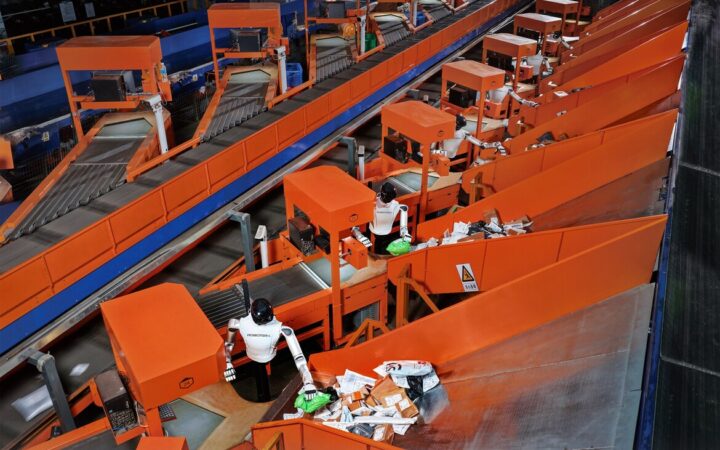
The industrial deployment path – selling Optimus to manufacturers and logistics operators rather than consumers – represents a more defensible near-term revenue case, and one that competitors including Figure AI, Boston Dynamics, and Chinese manufacturers are already pursuing. Whether Tesla’s consumer-oriented framing of Optimus shifts toward enterprise sales as commercial realities become clearer will be a significant strategic question over the next 18 months.
Disclaimer: RobotsBeat is an independent media brand owned and operated by NuvexMedia LLC, publishing news, research, and insights on artificial intelligence, emerging technologies, automation, and related industries. NuvexMedia LLC invests in and collaborates with companies across the AI, Robotics, technology, software, and digital innovation sectors. These relationships do not influence RobotsBeat's editorial coverage, and the publication maintains full editorial independence to provide accurate, timely, and objective information. © 2026 NuvexMedia LLC. All rights reserved. This content is for informational purposes only and should not be considered legal, tax, investment, financial, or other professional advice.