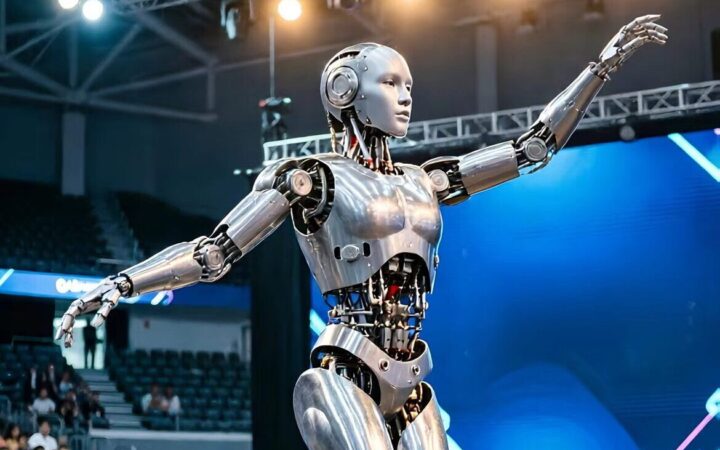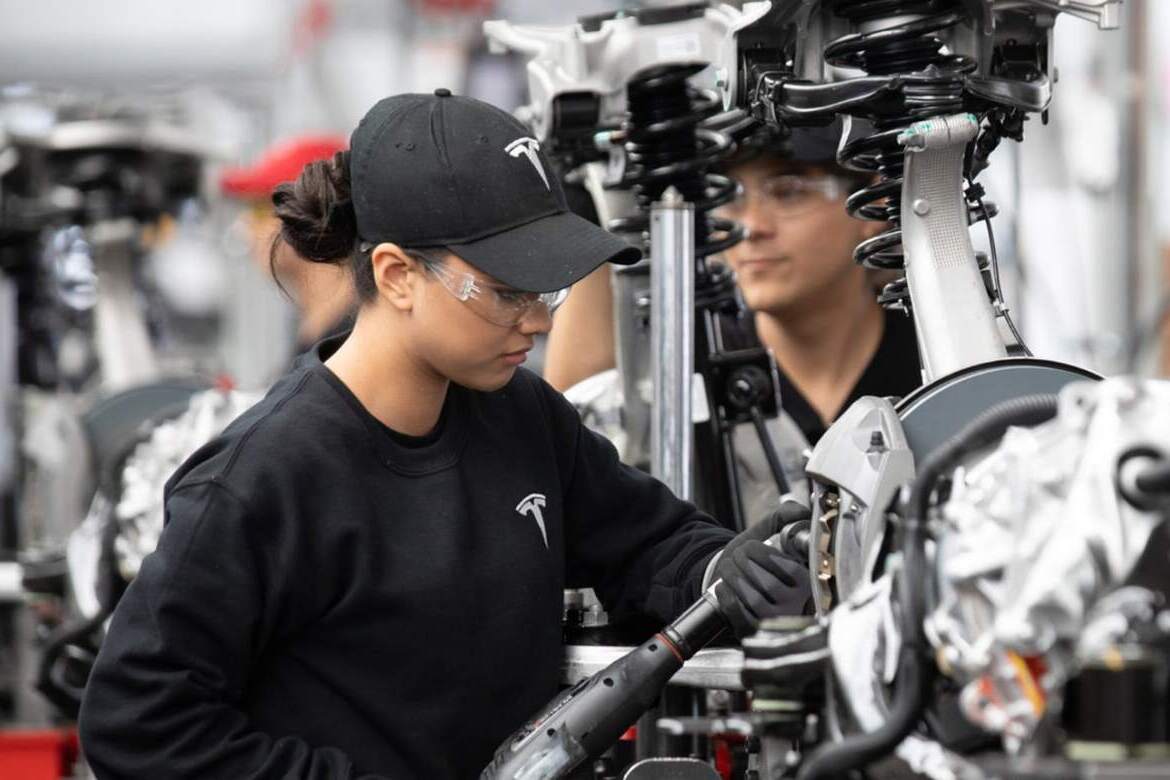


Tesla has begun producing Optimus robots at its Fremont, California factory, using production space previously dedicated to the Model S and Model X electric vehicles, which ended production in May. The milestone marks the transition from development and internal testing to commercial manufacturing – though Musk has been explicit that initial production represents the start of a long and difficult scaling process rather than a near-term commercial inflection point.
Commercial sales at the $20,000 to $30,000 price range Tesla has targeted are expected to begin in 2027, with volume production subsequently migrating to Giga Texas in Austin, which is being prepared as the dedicated mass production facility for Optimus. The Fremont ramp is intended to serve as the manufacturing template that standardizes processes before the larger Texas facility scales to the one million unit per year target Musk has stated.
The S-Curve Challenge
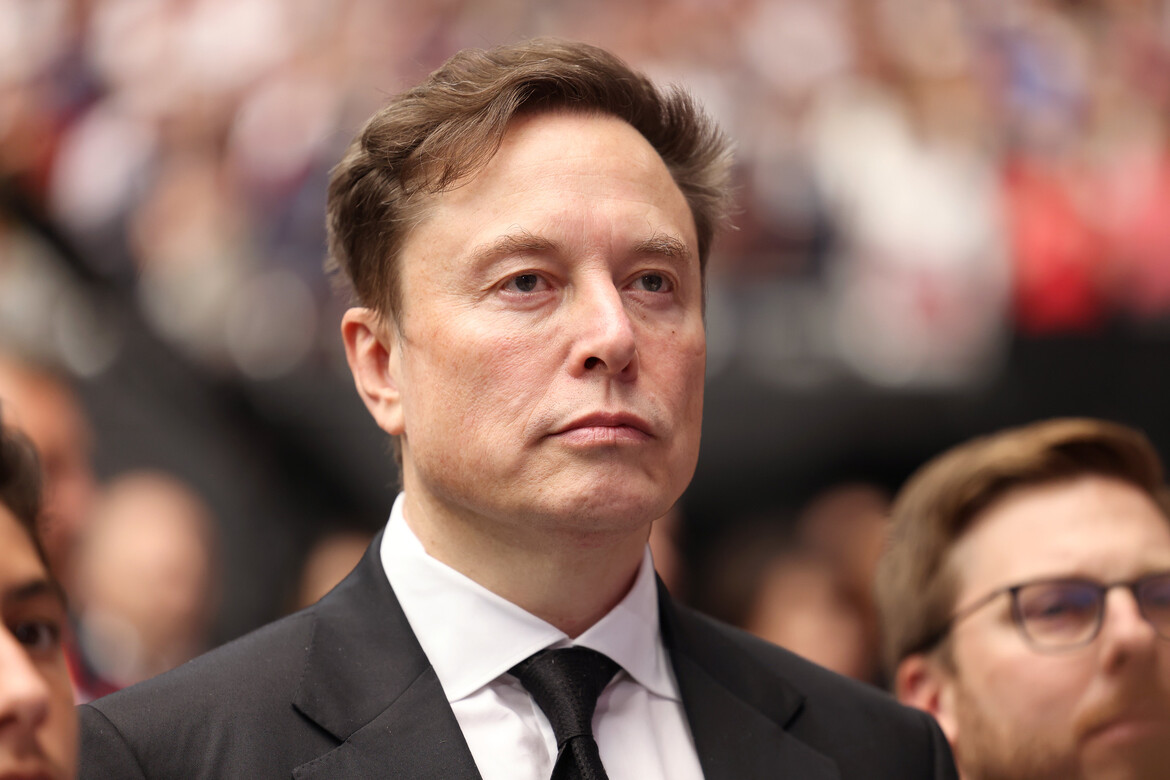
Musk has described the Optimus scaling challenge in unusually candid terms. “This is going to be the hardest product to scale manufacturing that we’ve ever made at Tesla,” he said on Tesla’s most recent earnings call. The difficulty stems from the absence of an existing supply chain: “Everything on the robot is new,” and Tesla has had to build its supplier network from scratch or bring production in-house, covering actuators, hands, structural components, and the AI compute systems that have no direct analogue in automotive manufacturing.
Musk describes the production trajectory as following an S-curve in which the initial portion is “flat and long” – meaning investors and observers should not expect rapid early volume growth. The slow initial phase is the price of the learning cycle required to standardize production processes well enough to hand them off to Giga Texas at scale.
The Optimus Academy Loop
The initial Fremont production is not targeting external customers. Instead, Optimus robots produced at the factory will be deployed within Tesla’s own facilities through what the company calls the “Optimus Academy” – a closed-loop learning system in which production robots perform routine tasks on Tesla’s factory floors, generating operational data that feeds back into software and hardware improvements. This loop is structurally similar to the data flywheel strategies being pursued by LG Electronics at its Seoul Yangjae facility and by Apptronik at its Austin Robot Park, where real-world deployment is the primary data collection mechanism for advancing AI models.
The internal deployment also creates a natural performance feedback mechanism: Tesla can measure Optimus’s factory floor effectiveness against its own production benchmarks, tracking metrics like task completion rates, uptime, and capability expansion without the commercial pressure that external customer deployments carry.
What Tesla Has Committed
Tesla’s capital spending plan for 2026 exceeds $25 billion, with the Giga Texas Optimus facility as a significant component, with spending expected to rise further in 2027 and 2028. Musk has stated that 80% of Tesla’s long-term value will come from Optimus, a claim that positions the robot program as more strategically important than the company’s electric vehicle and energy businesses combined. Consumer sales targeting the home market at the $20,000 to $30,000 price point are planned for 2027, with the video campaign by director Maz Mahani positioning Optimus as the first full-function humanoid robot intended for household users.
The realism embedded in Musk’s S-curve language is notable. The same earnings call that confirmed production start also warned investors to expect a slow initial ramp – a calibration that manages expectations while preserving the long-term narrative that Tesla is building toward a humanoid robot at consumer scale.
Disclaimer: RobotsBeat is an independent media brand owned and operated by NuvexMedia LLC, publishing news, research, and insights on artificial intelligence, emerging technologies, automation, and related industries. NuvexMedia LLC invests in and collaborates with companies across the AI, Robotics, technology, software, and digital innovation sectors. These relationships do not influence RobotsBeat's editorial coverage, and the publication maintains full editorial independence to provide accurate, timely, and objective information. © 2026 NuvexMedia LLC. All rights reserved. This content is for informational purposes only and should not be considered legal, tax, investment, financial, or other professional advice.