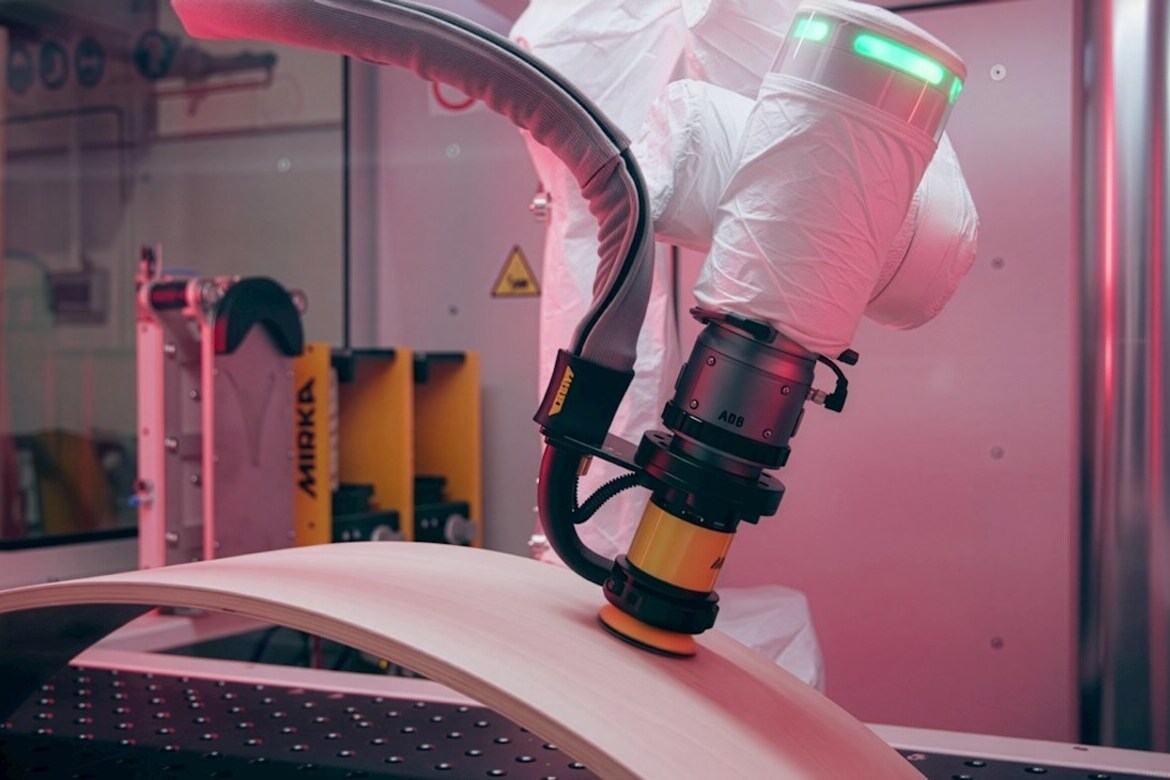


ABB Robotics has launched the OmniVance Collaborative Surface Finishing Cell, its first fully automated system for sanding and polishing, targeting small and medium-sized manufacturers that need industrial-grade surface finishing capability without the investment or expertise required by conventional bespoke automation. The cell is built around ABB’s GoFa collaborative robot and is delivered as a complete, CE-certified plug-and-play unit requiring no additional engineering to begin production.
The launch addresses a structural gap in manufacturing automation: surface finishing is a required step across virtually every production sector, but the skilled labor needed to perform it consistently is increasingly scarce. Deloitte and The Manufacturing Institute project 1.9 million manufacturing jobs will go unfilled by 2033, with finishing tasks among those most exposed to labor shortfall.
Design and Operational Specifications
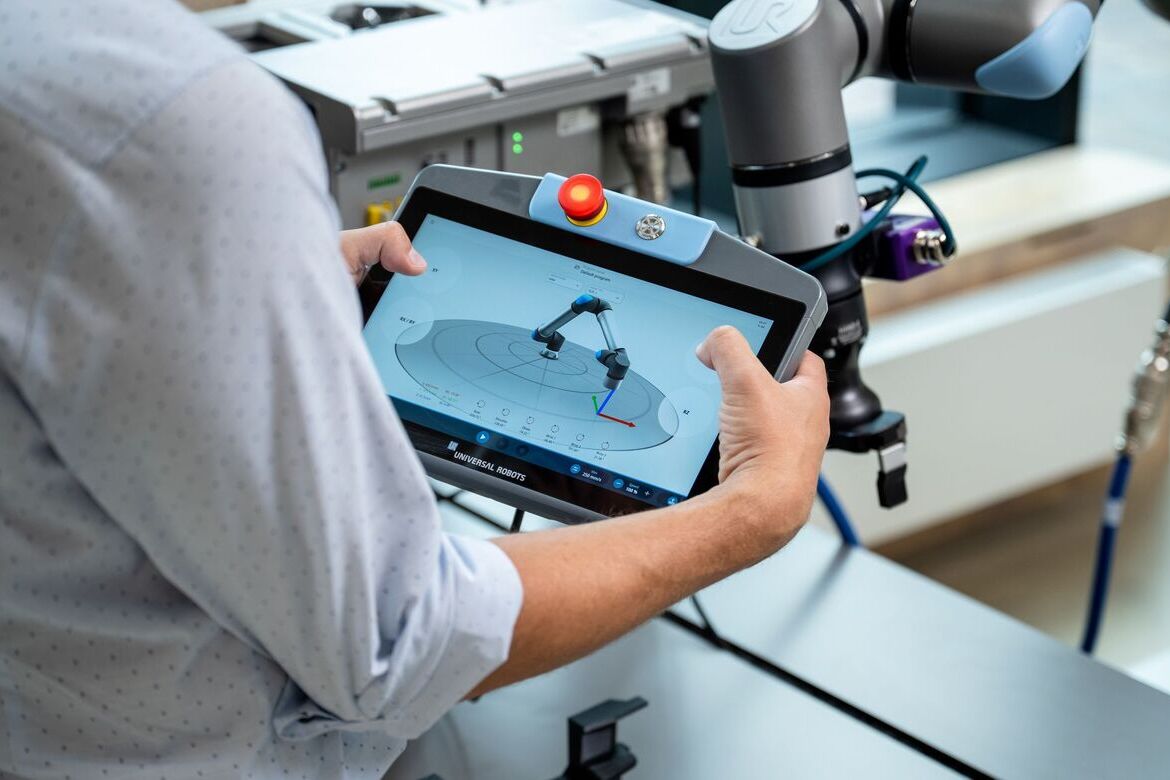
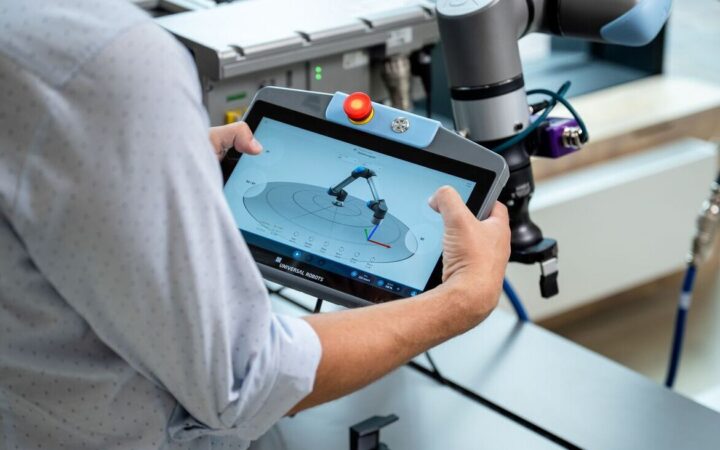
The OmniVance cell is entirely self-contained, including the GoFa cobot, safety components, and integrated dust extraction readiness. It requires no custom programming to operate. ABB’s software interface uses a tablet-style design with lead-through 3D path recording, 2D preset path creation, and intuitive path editing built into Wizard Easy Programming blocks. The company says this approach reduces programming time by up to 90% compared to conventional robotic programming, making the system accessible to operators without robotics backgrounds.
The cell supports tool and accessory changes for high-mix production environments, allowing manufacturers running varied part types to adapt the system without reengineering the installation. By automating repetitive sanding and polishing tasks, the cell is designed to increase throughput, reduce scrap and rework rates, and free skilled workers for higher-value operations.
The SME Automation Gap
ABB frames the OmniVance launch as a response to a specific market failure: smaller manufacturers face dual pressure from increasingly complex production demands and labor shortages, but existing automation options have not served them well. Customized robotic cells require in-house engineering expertise and significant capital. Off-the-shelf tools lack the capability and scalability for industrial production standards.
“Many businesses are wary of investing in complex, bespoke automation, while off-the-shelf tools lack the scalability and capability they require,” said Craig McDonnell, Managing Director of Business Line Industries at ABB Robotics. “With OmniVance, we’re introducing industrial-grade robotics in a simple, affordable, and scalable solution.”
The OmniVance launch is part of a broader industry pattern in which major robotics manufacturers are developing application-specific, pre-configured cells designed to lower the entry threshold for automation adoption among manufacturers that have historically been priced or skilled out of the market.
Disclaimer: RobotsBeat is an independent media brand owned and operated by NuvexMedia LLC, publishing news, research, and insights on artificial intelligence, emerging technologies, automation, and related industries. NuvexMedia LLC invests in and collaborates with companies across the AI, Robotics, technology, software, and digital innovation sectors. These relationships do not influence RobotsBeat's editorial coverage, and the publication maintains full editorial independence to provide accurate, timely, and objective information. © 2026 NuvexMedia LLC. All rights reserved. This content is for informational purposes only and should not be considered legal, tax, investment, financial, or other professional advice.