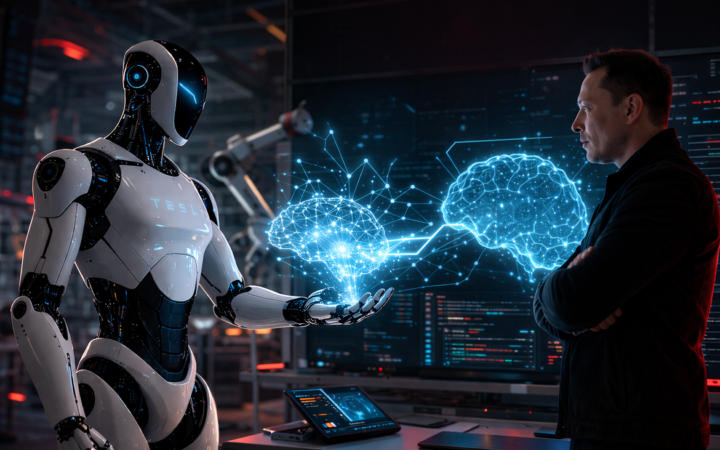
Elon Musk Confirms Tesla and xAI Collaboration on Digital Optimus AI
Elon Musk has confirmed that Tesla and xAI are jointly developing a system called Digital Optimus, combining Tesla hardware with xAI’s Grok model to power real-time AI agents.
Deep learning is a branch of artificial intelligence that uses neural networks with many layers to learn patterns from large amounts of data. It is especially effective at handling complex tasks such as image recognition, speech processing, and natural language understanding. Deep learning models improve performance as they are trained on more data and computing power. This approach powers many modern AI applications, including virtual assistants, recommendation systems, and autonomous technologies. Its ability to automatically learn features makes it a key driver of recent advances in AI.
Elon Musk has confirmed that Tesla and xAI are jointly developing a system called Digital Optimus, combining Tesla hardware with xAI’s Grok model to power real-time AI agents.
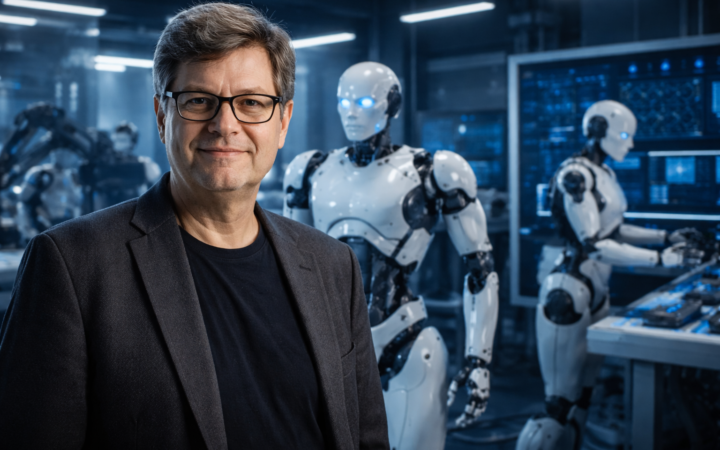
AI researcher Yann LeCun has raised more than $1 billion for a new startup developing AI systems and robots capable of reasoning about the physical world, challenging the dominance of large language models.
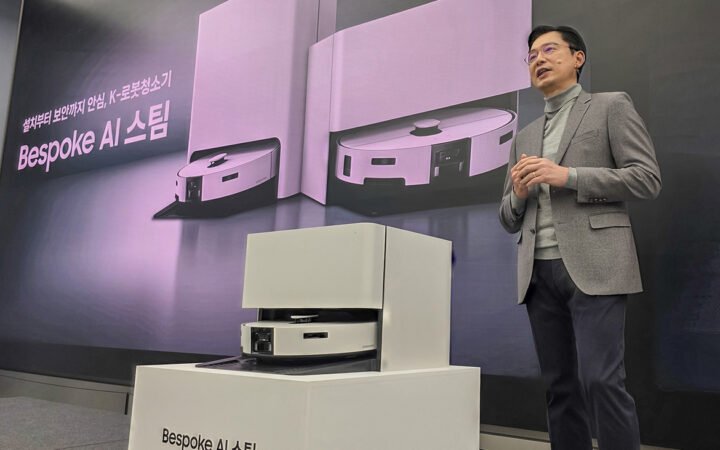
Samsung Electronics has launched a new AI-powered robot vacuum in South Korea, aiming to regain market share from Chinese rivals that currently dominate more than 70 percent of the domestic segment.