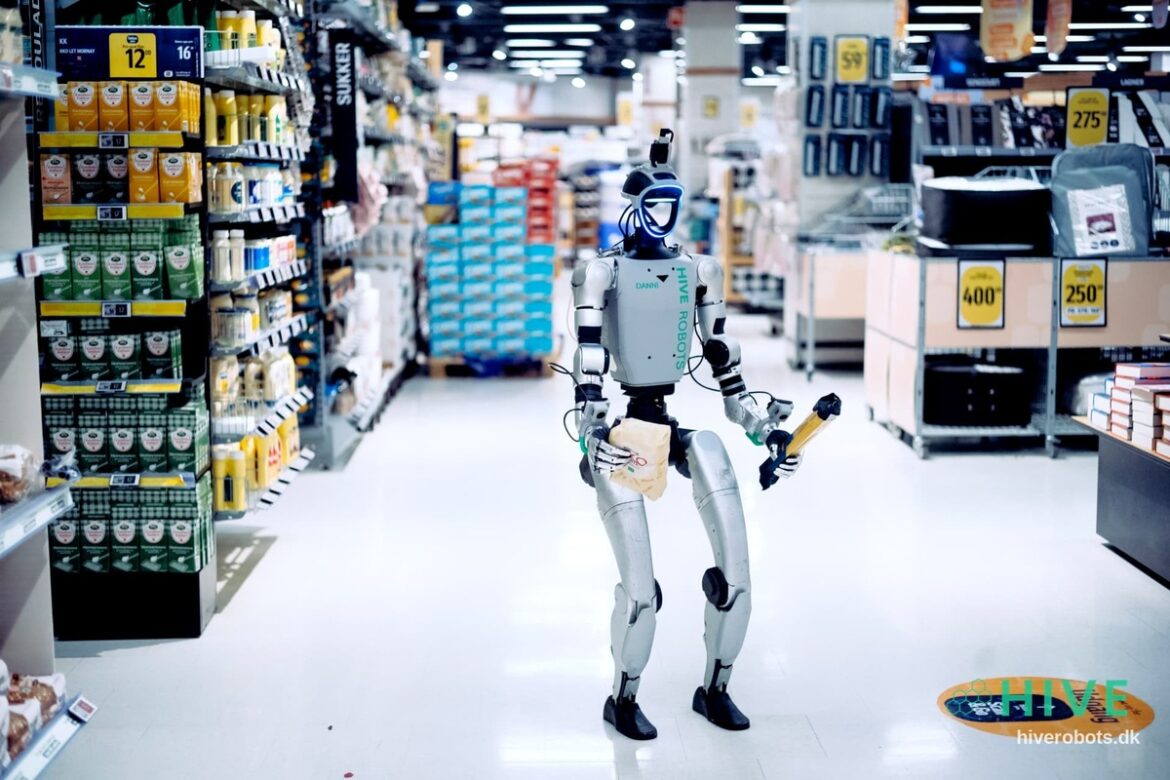
Dexforce Uses Virtual Data to Cut Humanoid Robot Training Costs
Dexforce is using synthetic scenes to train humanoid robots, betting that simulation can reduce reliance on costly human demonstrations.

Dexforce is using synthetic scenes to train humanoid robots, betting that simulation can reduce reliance on costly human demonstrations.
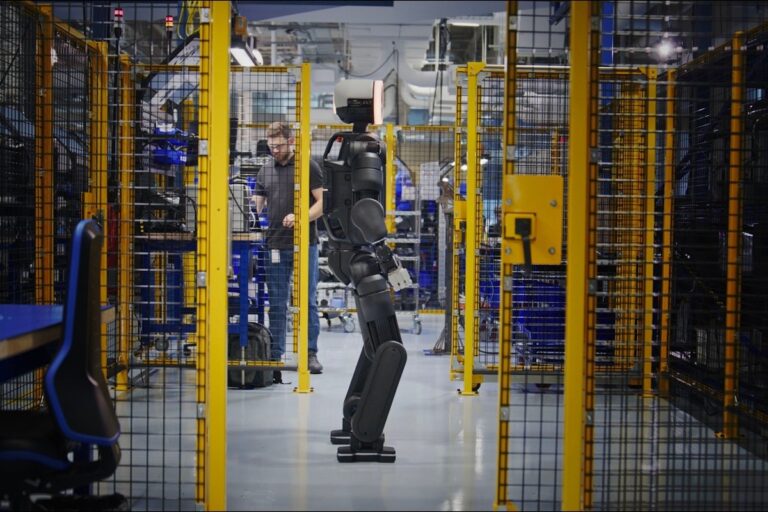
Boston Dynamics shows how machining, assembly and repair support Atlas development, with a goal of cutting robot build time from a day to an hour.
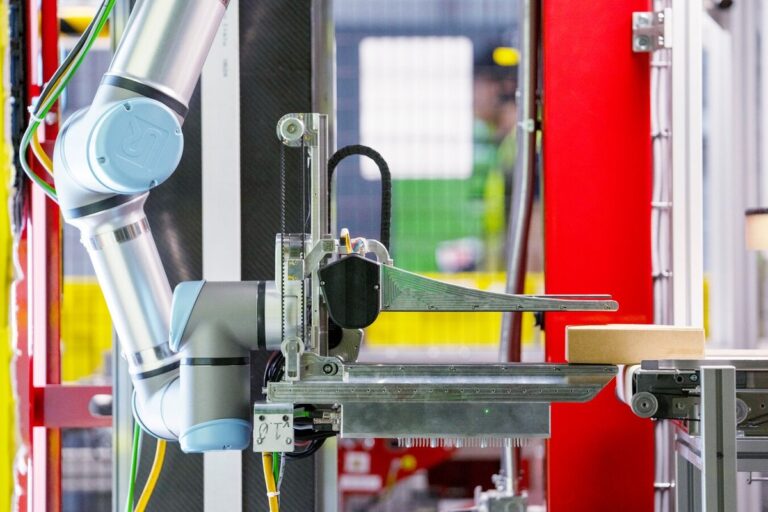
Amazon’s Physical AI Toolchain combines AWS infrastructure and NVIDIA robotics tools to support training, simulation and real-world deployment.

Counterpoint forecasts humanoid robot DRAM demand will grow more than 20x by 2030, as average memory per robot rises from 19GB to 39GB.
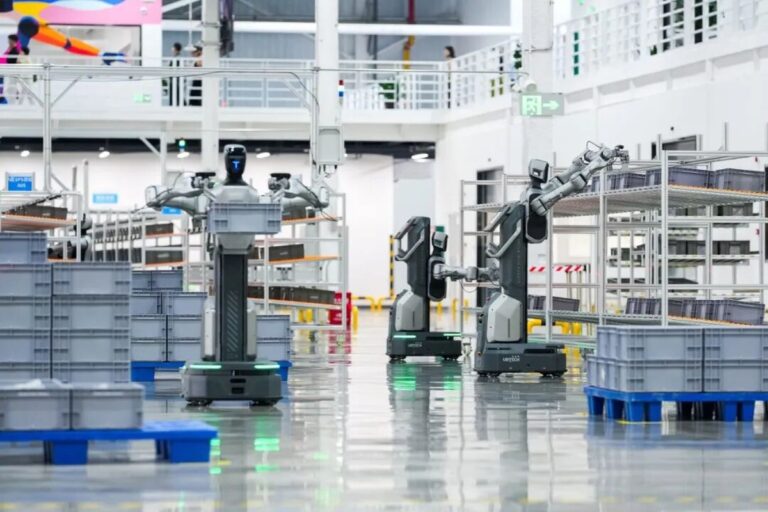
UBTECH and Xiamen C&D plan a joint venture targeting at least 10,000 humanoid robot sales by 2030 across logistics, property and public services.
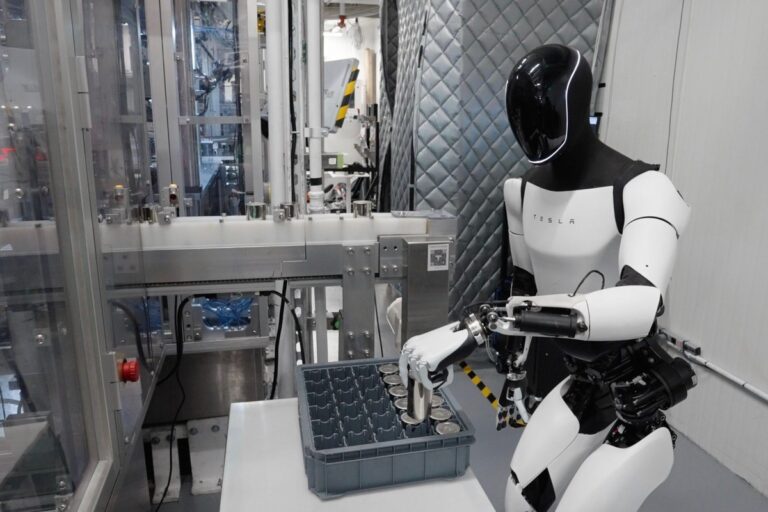
Tesla is scaling Optimus production ahead of a late-2027 public-sales target, but reliability and useful autonomy will determine the rollout.

XPENG introduces its YOYO robotaxi brand and opens registration in China, with overseas trials and external IRON robot sales planned for 2027.

Stuttgart’s SCALAR and COBRAS projects will develop coordinated construction robots for timber assembly and reusable structures, backed by about €8 million.
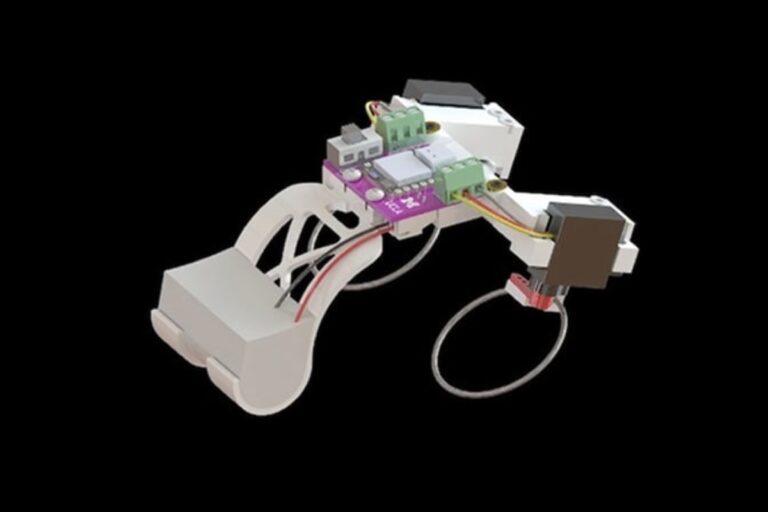
A palm-sized robot from UCLA and Michigan uses snapping elastic limbs to hop across six surfaces, climb small steps and swim with added fins.

Ministry of Awe’s Awebot brings a remote-controlled artwork to Philadelphia’s streets, using character design and movement to spark public interaction.