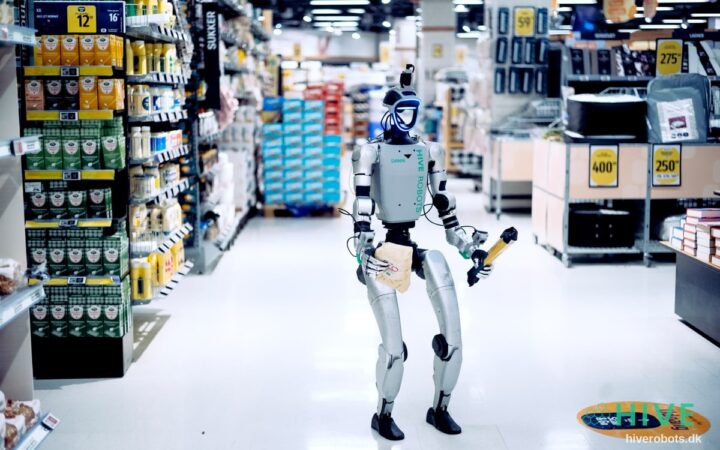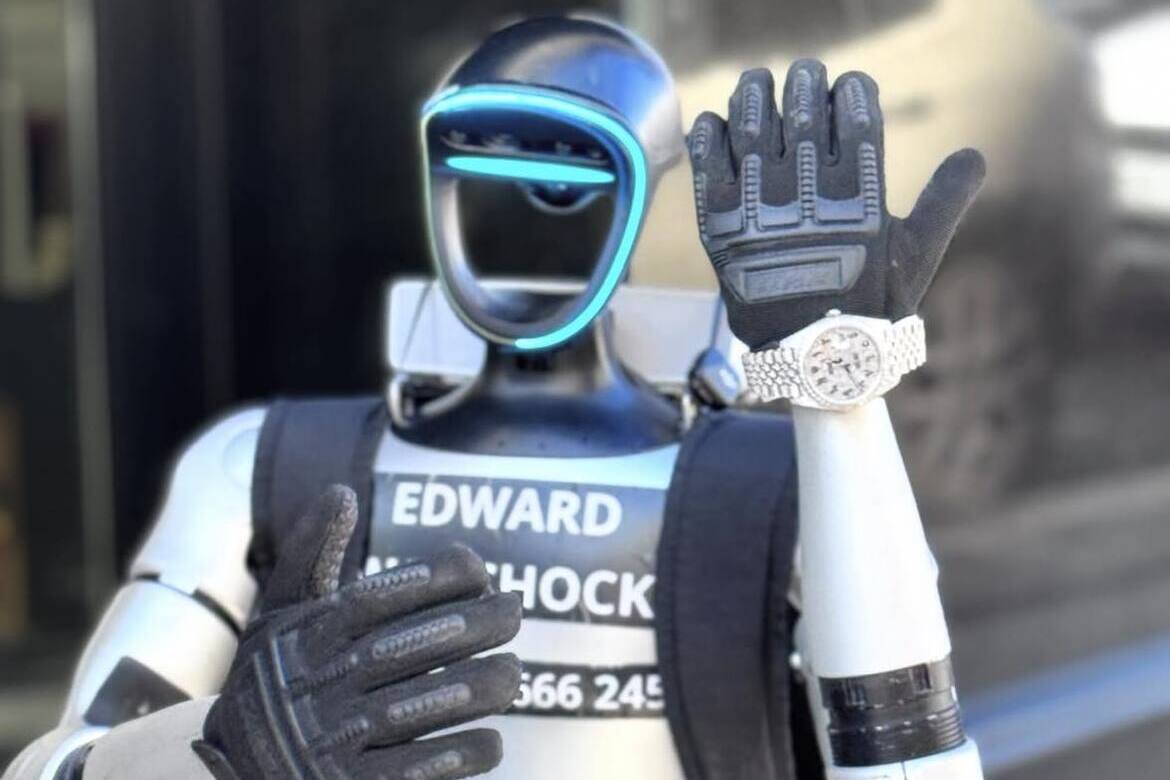
A humanoid robot chasing wild boars through a parking lot in Warsaw is not an obvious signal of industry change. But the viral footage, widely shared across social media, offers a glimpse into a deeper shift in the global robotics landscape.
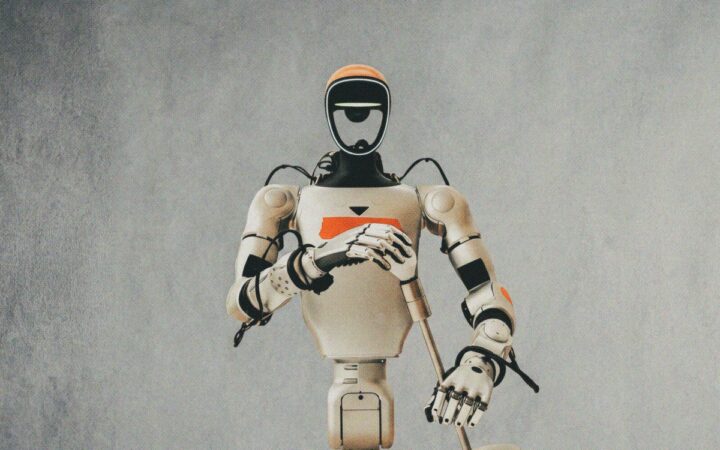
The robot, known locally as “Edward”, is built on hardware from Unitree Robotics and adapted by a Polish team at MERA Robotics. While the scene itself borders on spectacle, the underlying model – combining Chinese manufacturing with local software customization – is becoming an increasingly common pathway for deploying humanoid systems outside their country of origin.
From Viral Moment to Deployment Model
Edward’s popularity stems from its unexpected public appearances, including the now widely circulated incident in which it pursued wild boars in an urban setting. But beyond the novelty, the robot represents a practical approach to deploying humanoid technology.
Rather than developing systems entirely in-house, MERA Robotics has integrated Chinese-built hardware with its own operating software, tailoring the platform for local use cases. This hybrid model allows smaller companies to bypass the high costs and long timelines associated with building complete humanoid systems from scratch.
According to MERA co-founder Radoslaw Grzelaczyk, this approach reflects a broader trend. After studying robotics commercialization efforts in China, his team concluded that Chinese manufacturers offer a combination of availability, performance, and pricing that is difficult to match elsewhere.
The result is a growing ecosystem in which hardware is sourced globally, while software and applications are developed locally.
China’s Cost Advantage Extends Abroad
The Warsaw example highlights a structural advantage that Chinese robotics companies have begun to establish. Firms such as Unitree are scaling production and reducing costs at a pace that is enabling international adoption, even in markets traditionally dominated by Western technology providers.
Grzelaczyk estimates that China may be up to two years ahead of other regions in humanoid robotics development, particularly in terms of commercialization. This lead is not only technological but also economic, as lower-cost systems make experimentation and deployment more accessible.
This dynamic is already shaping global partnerships. European firms are increasingly importing humanoid robots and adapting them for regional markets, rather than attempting to compete directly on hardware manufacturing.
MERA Robotics, for example, plans to import around 100 humanoid units in the near term, using them as a foundation for locally developed applications.
Early Use Cases Remain Unclear
Despite growing visibility, the practical role of humanoid robots in everyday environments remains uncertain. Edward’s viral moment illustrates both the potential and the ambiguity of current deployments.
On one hand, the robot demonstrates mobility, autonomy, and the ability to operate in unstructured outdoor environments. On the other, the task itself – chasing animals in a parking lot – underscores how far the technology still is from clearly defined, scalable applications.
This gap between capability and use case is a recurring theme in the humanoid robotics sector. While hardware performance continues to improve, identifying consistent, economically viable roles for these systems remains an open challenge.
At the same time, public demonstrations and viral content are playing an increasing role in shaping perception and interest. Visibility, even in unconventional scenarios, may help accelerate experimentation and adoption.
The Warsaw incident may be remembered less for the robot’s actions and more for what it represents: a globalizing robotics industry where hardware, software, and applications are increasingly decoupled.
As Chinese manufacturers expand their reach and local developers build on top of their platforms, humanoid robots are beginning to move from controlled demonstrations into everyday environments – even if their purpose is still evolving.
Disclaimer: RobotsBeat is an independent media brand owned and operated by NuvexMedia LLC, publishing news, research, and insights on artificial intelligence, emerging technologies, automation, and related industries. NuvexMedia LLC invests in and collaborates with companies across the AI, Robotics, technology, software, and digital innovation sectors. These relationships do not influence RobotsBeat's editorial coverage, and the publication maintains full editorial independence to provide accurate, timely, and objective information. © 2026 NuvexMedia LLC. All rights reserved. This content is for informational purposes only and should not be considered legal, tax, investment, financial, or other professional advice.