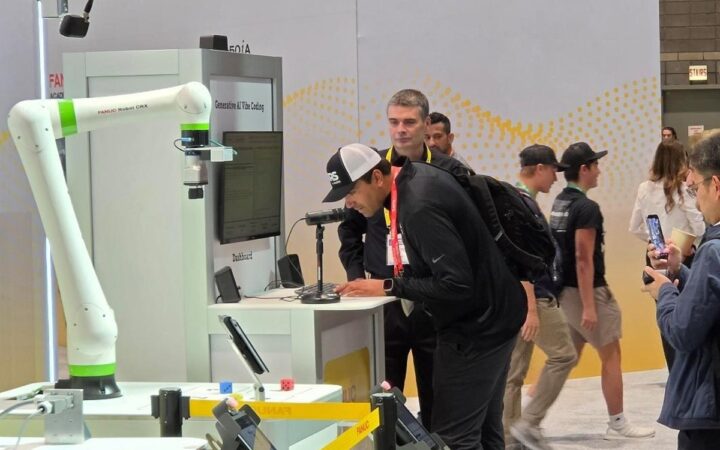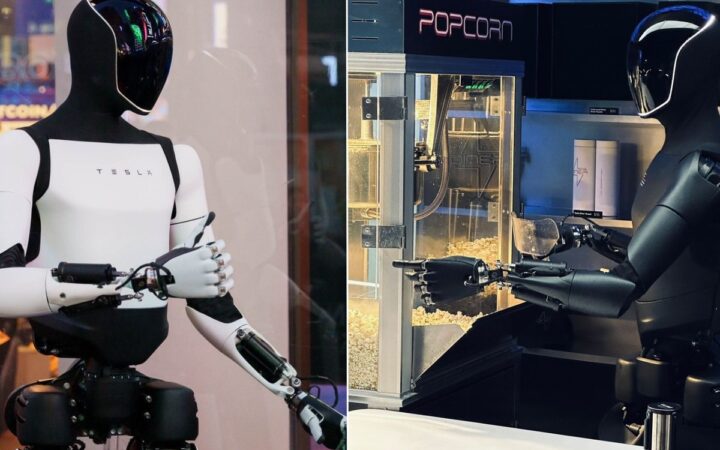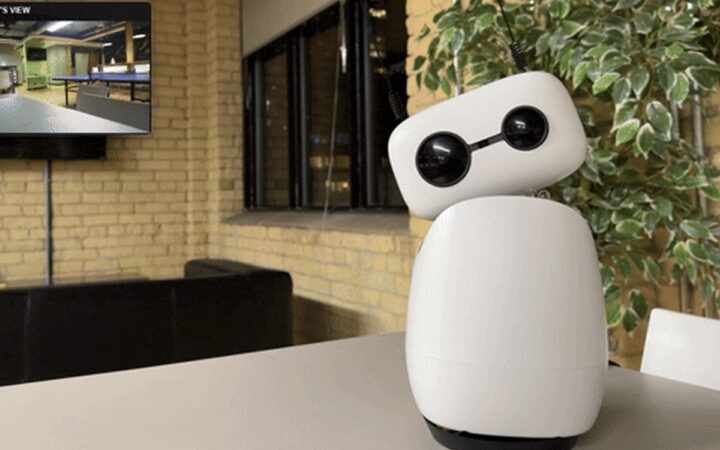
Robots are no longer arriving sector by sector. In 2026, they are moving into delivery, medicine, construction, agriculture, and defense at the same time – a simultaneous expansion that economist Richard Baldwin has described as Globotics, the combined force of globalization and robotics restructuring how work is organized and who performs it.
The convergence is visible across geographies and industries in ways that were not true even two years ago.
Defense and the U.S.-China Race
The military dimension of robotics is accelerating. Foundation Future Industries, a San Francisco startup, secured $24 million in Pentagon contracts to test its Phantom humanoid robots for military applications. Two Phantom MK-1 units were reportedly sent to Ukraine for logistics and reconnaissance testing – not combat. Humanoid military robots remain at the evaluation stage, but the institutional investment signals that defense is treating physical AI as a strategic priority rather than a speculative research area.
China’s industrial robot deployment gives it a structural manufacturing advantage that extends into defense-adjacent sectors. The International Federation of Robotics reports China accounted for 54% of global industrial robot deployments in 2024, installing 295,000 units and surpassing a total robot stock of 2 million. Morgan Stanley projects China’s robotics market could grow from $47 billion to $108 billion by 2028.
Delivery and Urban Autonomy
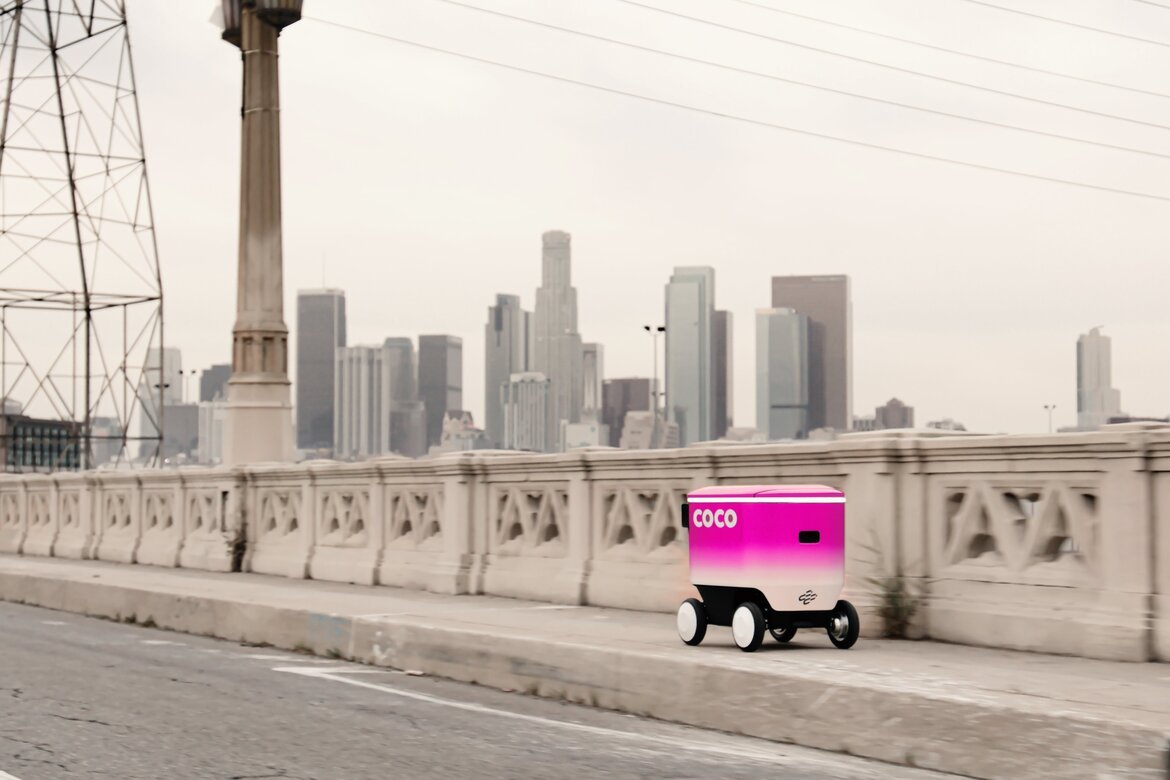
Coco Robotics is deploying autonomous delivery robots across city sidewalks, bike lanes, and urban roads, carrying food, groceries, and pharmacy orders. Its Coco 2 platform represents a shift from human-guided to fully autonomous navigation, with its systems improving through millions of real-world data points accumulated across city environments. The deployment raises parallel questions about liability, public space regulation, and the labor implications of last-mile automation at scale.
Construction and Precision Work
Construction robotics is advancing in two specific directions: hazardous repetitive tasks and precision layout work. Schindler’s R.I.S.E. system drills holes and sets anchor bolts inside elevator shafts autonomously, addressing a task that exposes workers to confined, noisy, and physically demanding conditions. HP SitePrint handles autonomous floor-level measurement and real-time on-site marking, replacing manual layout processes that slow construction timelines and introduce human error.
Neither system eliminates the construction workforce. Both target the specific tasks that are most physically punishing or most precision-dependent – a pattern of targeted automation that is more representative of near-term robotics deployment than the wholesale replacement scenarios that dominate public debate.
Medicine and Agriculture
The da Vinci Surgical System remains the most established example of robotic medicine, with Cleveland Clinic citing benefits including reduced blood loss, smaller incisions, and shorter recovery times. Critically, the system extends rather than replaces surgical judgment – the robot moves only when the surgeon directs it. Rehabilitation robotics is developing in parallel, pointing toward more personalized and precise physical therapy.
In agriculture, Ecorobotix applies AI-powered precision targeting to reduce plant-protection product use by up to 95%, addressing labor shortages and input cost pressures simultaneously – two structural challenges that make agricultural automation commercially viable rather than merely technically interesting.
The Humanoid Benchmark
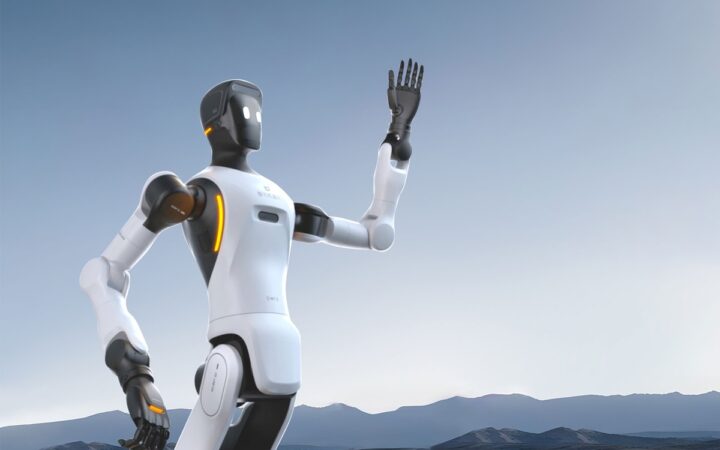
Humanoid robots remain the most visible symbol of the Globotics trend, though also the most honest illustration of where the technology stands. Lightning, Honor’s half-marathon robot, completed the Beijing course in 50 minutes and 26 seconds – below the human world record. It also crashed into a barricade, fell, and required handlers to restore it to operation. ANYmal, ANYbotics’ four-legged inspection robot, navigates industrial plants, stairs, and uneven terrain autonomously – a more constrained capability set than humanoids promise, but one that is already commercially deployed in environments where human entry carries real risk.
The gap between what robots can do in demonstration and what they can do reliably in the full range of conditions they will encounter is the central challenge Globotics is working through. The robotic transition is underway. Its pace and ultimate scope depend on how quickly that gap closes.
Disclaimer: RobotsBeat is an independent media brand owned and operated by NuvexMedia LLC, publishing news, research, and insights on artificial intelligence, emerging technologies, automation, and related industries. NuvexMedia LLC invests in and collaborates with companies across the AI, Robotics, technology, software, and digital innovation sectors. These relationships do not influence RobotsBeat's editorial coverage, and the publication maintains full editorial independence to provide accurate, timely, and objective information. © 2026 NuvexMedia LLC. All rights reserved. This content is for informational purposes only and should not be considered legal, tax, investment, financial, or other professional advice.