
Japan Develops Hacchan Robot Dogs for Autonomous Bear Patrols
Akita Prefectural University is developing Hacchan robot dogs to detect and deter bears near settlements, with coordinated patrols still awaiting field validation.
Science & Tech covers the research, engineering, and technical foundations driving progress in robotics, artificial intelligence, and automation. This topic focuses on breakthroughs emerging from academic institutions, research labs, and applied engineering teams, as well as the translation of scientific advances into real-world systems. Coverage includes robotics research, AI and machine learning innovation, new algorithms, hardware experimentation, simulation environments, and experimental platforms. It also examines how scientific discoveries move from theory to prototypes, pilots, and deployed technologies. By tracking both fundamental research and applied technical work, this topic highlights the ideas and innovations shaping the next generation of intelligent machines. Science & Tech provides context for understanding where today’s robotic capabilities come from and how future systems are being designed, tested, and validated.
Akita Prefectural University is developing Hacchan robot dogs to detect and deter bears near settlements, with coordinated patrols still awaiting field validation.
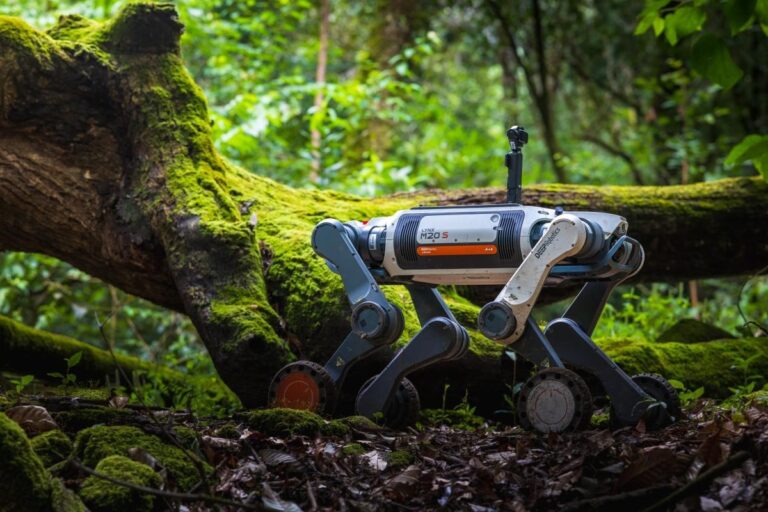
DEEP Robotics’ wheeled robot dog helped researchers scout Ailao forest routes, carry equipment and film wildlife, with payload and battery limits shaping the mission.

NeodraDynamics’ four-meter Neo1 targets heavy industrial work with a claimed 500 kg dual-arm payload, while customer deployments and test conditions remain undisclosed.
Agility names Nyobolt as Digit 5’s battery partner, targeting 90 minutes of runtime per nine-minute charge and early access in the first half of 2027.
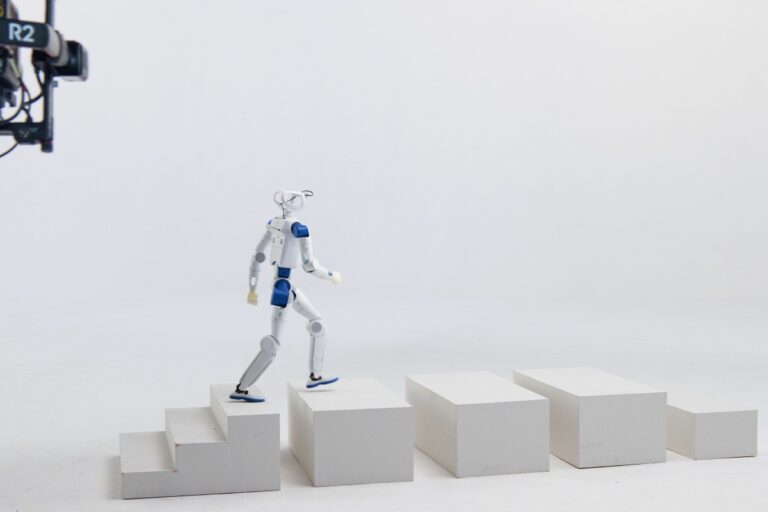
RoboParty’s RP1 release opens humanoid designs, control software and learning tools, with modular configurations built for research rather than household deployment.
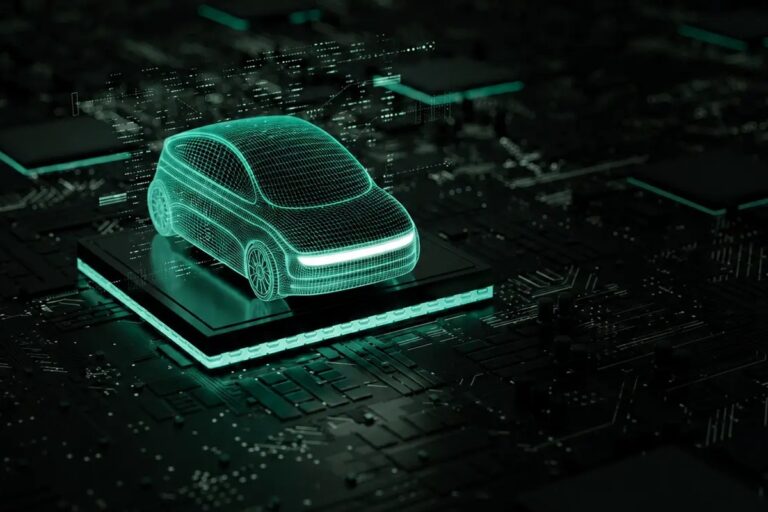
Cubic³ argues that shared AI models could coordinate many robot types, while research shows specialized controllers and hardware limits remain essential.

Tether’s TranscribePsy brings compact local speech recognition to developers building robot and wearable applications, with distinct phone and laptop builds.

A Tarim University crawler separates iron-bearing particles from Taklamakan sand, offering an early test of mobile mineral collection rather than commercial mining.

BAS deployed a fleet of marine robots in East Greenland, collecting glacier and ocean measurements to improve models of melting ice and ocean circulation.

Stuttgart’s SCALAR and COBRAS projects will develop coordinated construction robots for timber assembly and reusable structures, backed by about €8 million.

