
Key Notes
- JR West is adding a single-arm maintenance robot with a 120-kilogram gripping capacity and a separate improved humanoid machine for cutting trackside trees.
- The single-arm model is scheduled for use in October 2026, with the smaller and lighter humanoid version following in November.
- The railway operator targets roughly 30% less manpower for the relevant work, a projected task-level saving rather than a confirmed company-wide workforce cut.
JR West is expanding its railway maintenance fleet with two new robotic machines, including a single-arm system capable of gripping loads weighing up to 120 kilograms. The Japanese operator aims to reduce the manpower required for the targeted work by around 30%, while making elevated maintenance less physically demanding.
The company announced the rollout on October 16. The heavy-duty single-arm model is scheduled to enter use in October, followed by an improved humanoid machine in November.
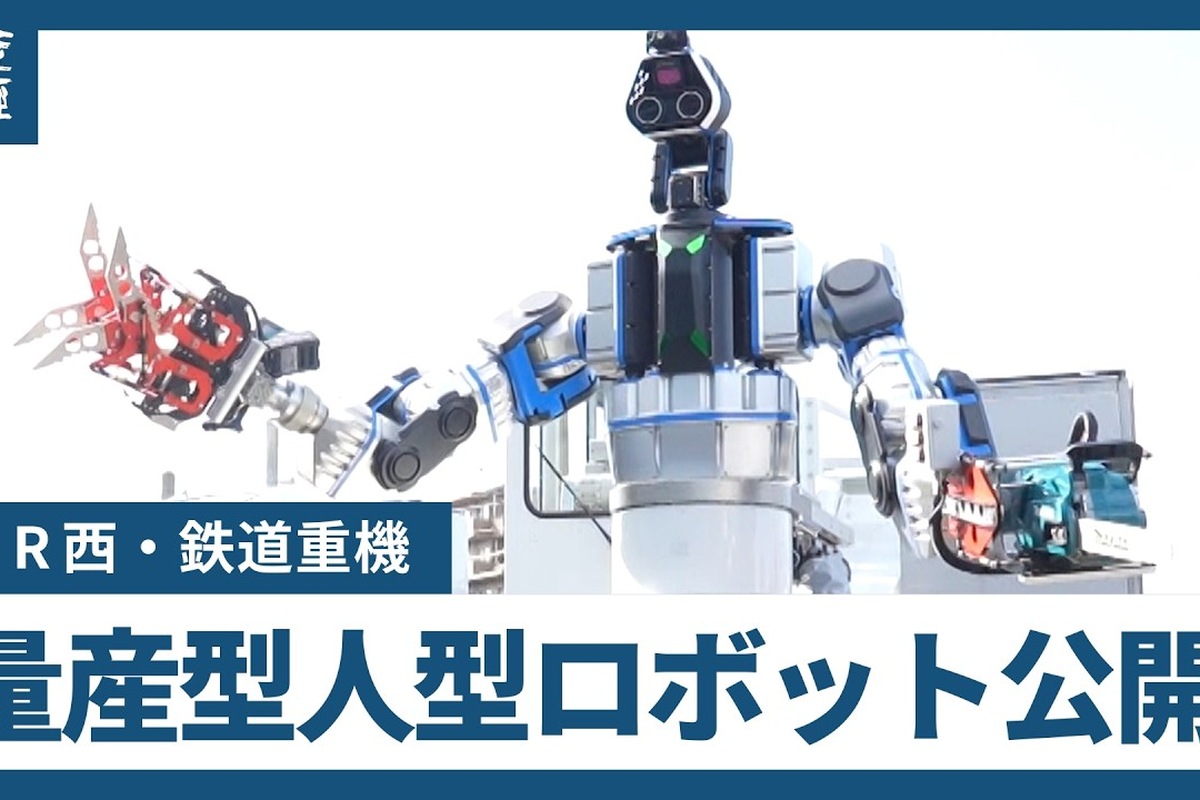
The video above, published by Sankei News, shows the new maintenance machines and their work tools.
Two Machines for Different Railway Jobs
The single-arm robot sits on an aerial work platform and assists people handling heavy components. Its 120-kilogram gripping specification applies to that model, rather than both machines. The humanoid version is smaller and lighter than its predecessor, with a longer boom, and will tackle trees obstructing railway lines.
Both join a maintenance program that began deploying the multifunctional ZIZAI machine in July 2024. These are vehicle-mounted work systems, a different proposition from the walking humanoids being developed for factories and warehouses.
A Staffing Target, Not a Confirmed Workforce Cut
JR West frames the investment around safer high-level work, reduced physical strain and more reliable transport. Its roughly 30% manpower reduction is a target for the work involved, not a reported improvement already achieved or an announcement that 30% of its employees will lose their jobs.
The distinction matters when assessing maintenance automation. A smaller crew requirement for a particular task does not, by itself, establish the effect on an entire workforce. Operators still need to plan jobs, coordinate access to infrastructure and assess how equipment performs under working conditions.
Practical Robotics Beyond the Factory
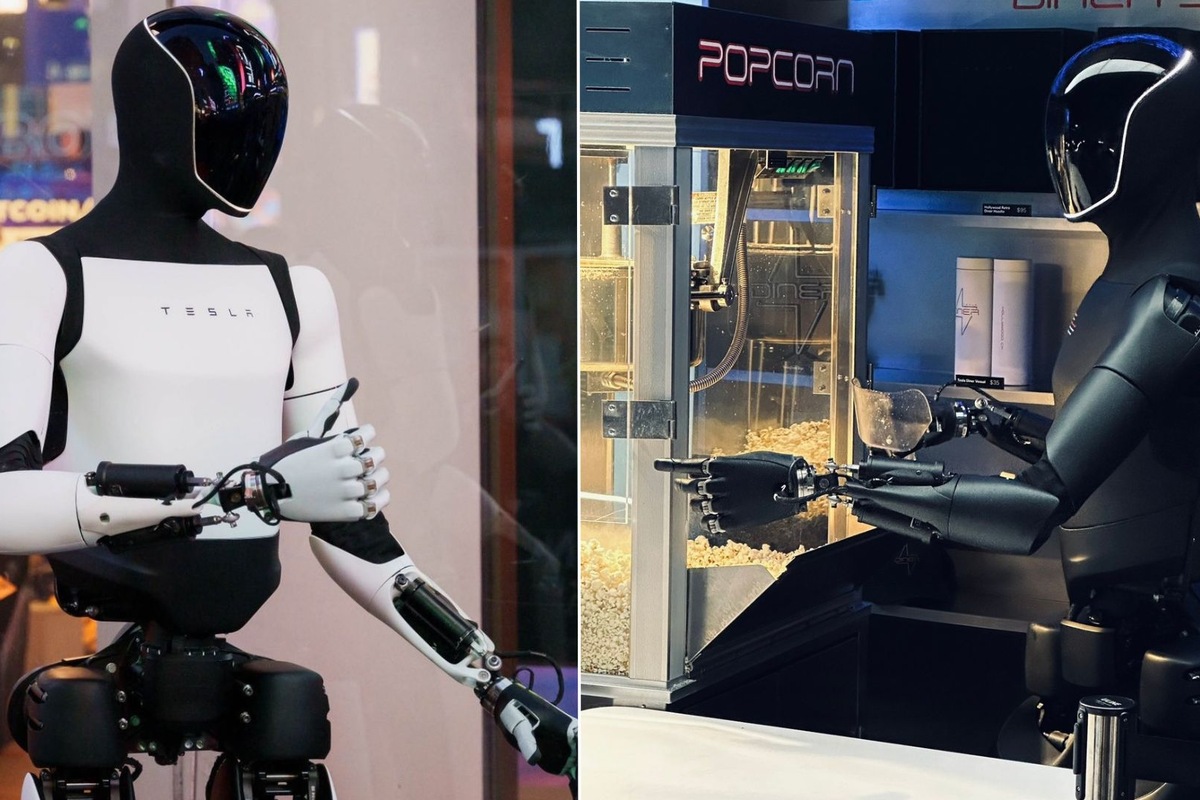
The approach illustrates how robot design can follow a specific job rather than a human silhouette. A mounted arm provides a different balance of reach, support and mobility from a free-standing machine. Comparing the two requires looking at the work each is meant to perform.
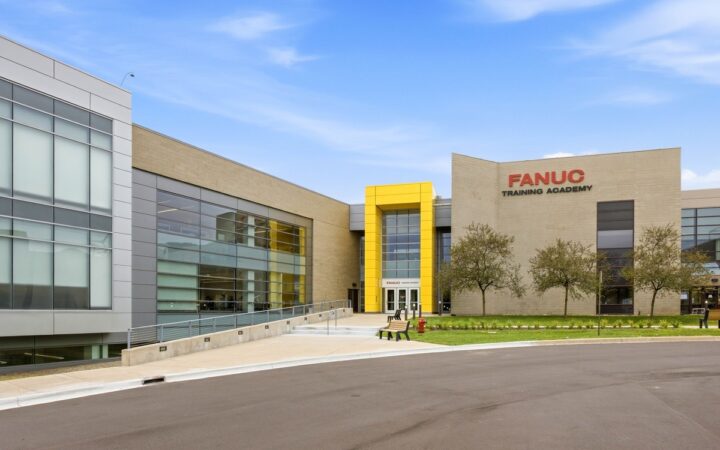
That task-first perspective also runs through RobotsBeat’s coverage of ABB’s industrial robots and FANUC’s training academy. Hardware capability and workforce preparation are separate parts of making automation useful.
For JR West, the next useful evidence will be operational: how the machines affect crew requirements, job completion and worker exposure to difficult tasks. The announced schedule and staffing objective provide a starting point for that assessment.
Disclaimer: RobotsBeat is an independent media brand owned and operated by NuvexMedia LLC, publishing news, research, and insights on artificial intelligence, emerging technologies, automation, and related industries. NuvexMedia LLC invests in and collaborates with companies across the AI, Robotics, technology, software, and digital innovation sectors. These relationships do not influence RobotsBeat's editorial coverage, and the publication maintains full editorial independence to provide accurate, timely, and objective information. © 2026 NuvexMedia LLC. All rights reserved. This content is for informational purposes only and should not be considered legal, tax, investment, financial, or other professional advice.