Key Notes
- Musk says Tesla needs roughly 10,000–20,000 humanoids to practice tasks and generate training data through its Optimus Academy approach.
- Tesla’s Q3 update confirms production has begun in Fremont and labels the manufacturing operation an early ramp, without disclosing current robot output.
- The academy was already described in Tesla’s July update, while deliveries to outside companies remain a target for late 2027 rather than a confirmed schedule.
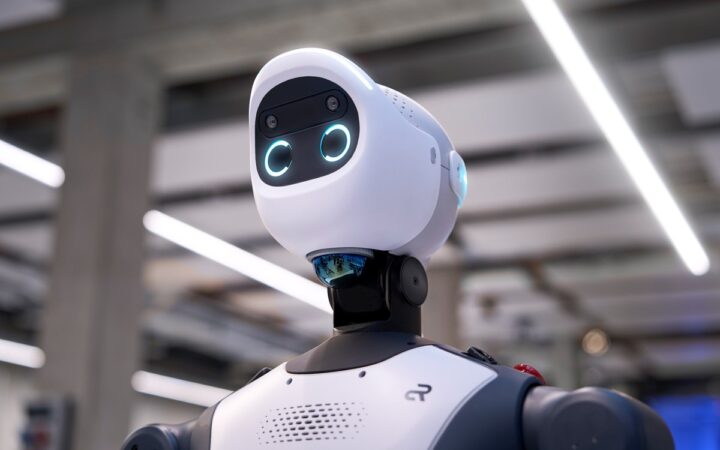
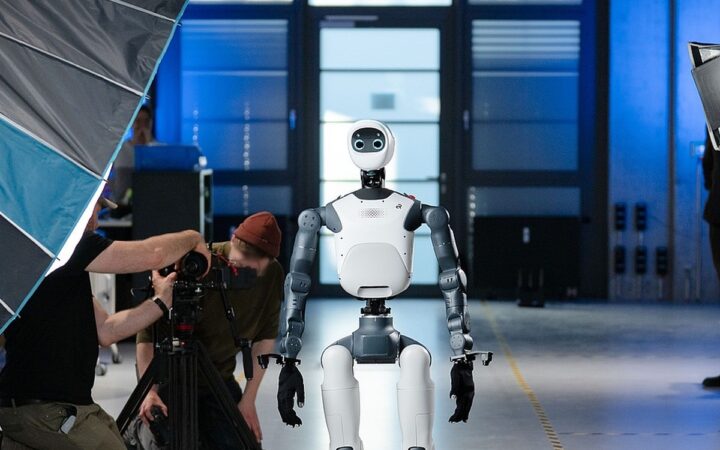
Tesla is building an Optimus Academy where large numbers of humanoid robots would practice tasks and generate the experience needed to improve their AI. Elon Musk said the company needs roughly 10,000–20,000 robots for that process, describing learning through repeated physical interaction as a central requirement for making Optimus useful.
Musk outlined the approach during Tesla’s October 21 earnings call, comparing early robot learning with a toddler gradually acquiring skills. The figure is a proposed training scale, not a disclosed count of robots already operating at the academy.
Why Tesla Wants Robots to Learn Through Practice
As TNW reported, the academy would let Optimus practice a wide range of tasks and feed the resulting data back into development. Musk described this as self-play: robots producing experience through their own attempts, helping Tesla improve subsequent versions of their behavior.
The comparison with Tesla’s cars explains the motivation. Vehicles already generate information through a large deployed fleet, while Optimus lacks a comparable base of working machines. Tesla therefore wants to build robots partly to create the data needed to make those robots more capable.
That is a feedback loop between manufacturing and learning. More hardware can create more opportunities to observe contact, movement and failure, but the usefulness of those observations depends on the tasks being practiced, the quality of the recordings and how success is measured.
Optimus Academy Was Already in Tesla’s Roadmap
The academy name predates this week’s call. Tesla’s July quarterly update said the first Optimus builds would support academy training-data collection and further functionality development. The latest remarks add detail about the scale and purpose of that effort.
Tesla’s new Q3 deck says production has begun on Fremont’s high-volume lines and describes the output as its first production-quality robots. The capacity table lists California Optimus manufacturing in an early ramp and Texas in construction.
Those statements establish manufacturing progress without supplying a current robot output figure. Tesla also warns in the deck that installed capacity is different from the rate at which a line actually produces units.
Practice Must Translate Into Dependable Skills
Learning a physical task involves more than repeating a motion. A robot must recognize when an object has moved, adjust its grasp and determine whether the action achieved the intended result. Training environments can expose the system to those variations before a customer relies on it.
The challenge is transferring that experience beyond the training setup. A policy that succeeds with one object, surface or workspace may need further learning when those conditions change. Useful evaluation therefore needs unfamiliar situations, not only repeated success in a practiced routine.
RobotsBeat previously examined the generalization and hand challenges affecting Optimus. An academy addresses the experience side of development, while mechanical reliability and consistent assembly remain separate requirements.
External Deliveries Remain a Future Goal
Musk said Tesla expects deliveries to other companies toward the end of 2027, according to TNW’s account of the call. That remains a forward-looking target rather than a confirmed customer delivery schedule.
Our earlier coverage of the Optimus sales timeline distinguishes manufacturing capacity from customer readiness. Increasing robot output can support training, but customers need evidence about useful task completion, supervision, uptime and maintenance.
The academy plan makes Tesla’s immediate priority clearer: build enough machines to develop and test a broader set of behaviors. Its commercial significance will depend on whether that experience produces reliable work outside the environment where the robots learned it.
Disclaimer: RobotsBeat is an independent media brand owned and operated by NuvexMedia LLC, publishing news, research, and insights on artificial intelligence, emerging technologies, automation, and related industries. NuvexMedia LLC invests in and collaborates with companies across the AI, Robotics, technology, software, and digital innovation sectors. These relationships do not influence RobotsBeat's editorial coverage, and the publication maintains full editorial independence to provide accurate, timely, and objective information. © 2026 NuvexMedia LLC. All rights reserved. This content is for informational purposes only and should not be considered legal, tax, investment, financial, or other professional advice.