Key Notes
- Independent committees at Tesla and SpaceX are exploring a merger, but no transaction terms have been agreed and Musk says a deal is not certain.
- A combination would bring Tesla’s Optimus and autonomy programs together with SpaceX’s businesses, although no changes to robot budgets or delivery plans have been announced.
- Tesla already holds a financial interest in SpaceX, making the benefits of deeper integration a central question for any eventual proposal.
Tesla and SpaceX have formed independent board committees to explore a possible merger, putting Elon Musk’s humanoid robotics program into a much broader debate about the future of his AI businesses. A combination would bring Tesla’s Optimus development, autonomous vehicles and energy operations under the same corporate umbrella as SpaceX’s space and satellite businesses.
Musk disclosed the review during SpaceX’s October 20 earnings webcast. The committees have not agreed on transaction terms, and he cautioned against treating a deal as inevitable. Bloomberg reported his remarks, including his argument that closer cooperation could benefit advanced AI software development.
Optimus Becomes Part of a Larger Corporate Question
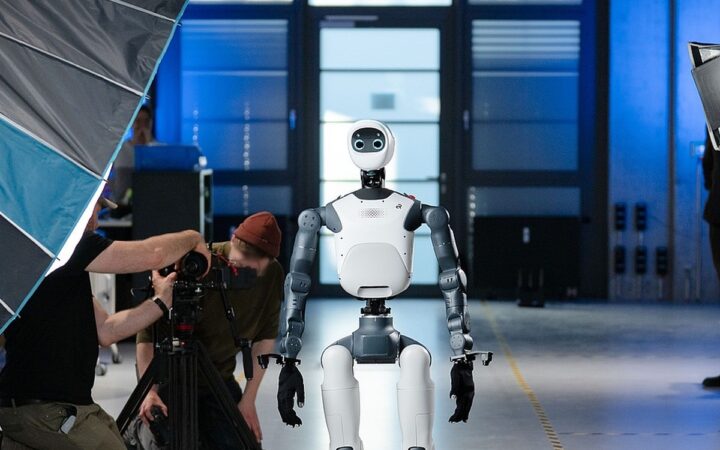
For the robotics industry, the significance lies in how Tesla’s humanoid ambitions could fit into a combined business. Optimus requires investment across robot bodies, actuators, perception, motion planning, training infrastructure and manufacturing. Any eventual merger proposal would raise questions about how those programs would share resources with other capital-intensive projects.
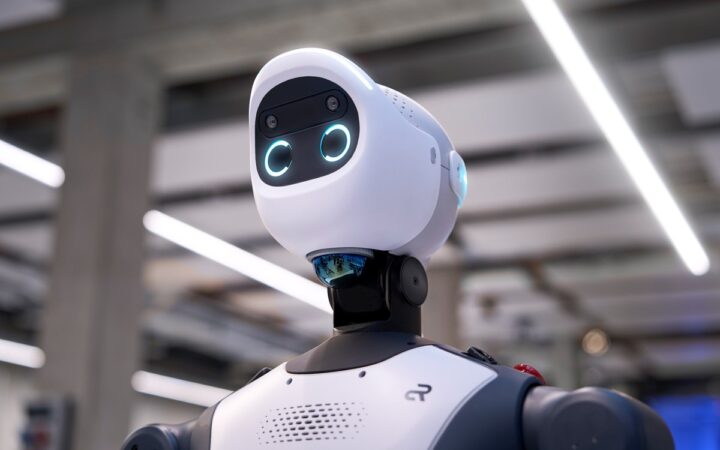
Tesla’s own robotics overview defines Optimus as a general-purpose humanoid intended for unsafe, repetitive or boring work. It identifies balance, navigation, perception and physical interaction as central software challenges. The company also develops AI inference chips and tightly integrated autonomy software for its vehicles.
Those capabilities help explain the strategic interest in bringing AI and physical products closer together. They do not mean that software developed for one application transfers directly to another. A humanoid manipulating objects needs control policies, safety systems and evaluation methods suited to contact with its surroundings.
A Review Led by Independent Directors
Musk said he is not participating in the special committees’ discussions because he is a conflicted party. He supports the idea of combining the companies, but the independent review has not produced agreed terms or a completion timetable.
That distinction matters for robotics investment. Without a transaction proposal, there is no announced change to Optimus’s ownership, budget, customer rollout or manufacturing responsibilities. The merger discussions establish a corporate process rather than a new robot product or deployment agreement.
Our sister publication MarketSpeaker examines the merger review, including the financial and governance questions facing the two shareholder groups. For robot developers and prospective customers, the more immediate issue is whether any eventual structure changes the resources and priorities behind Tesla’s humanoid program.
Existing Ties Already Connect the Companies
Tesla’s amended annual filing documents an approximately $2 billion investment in SpaceX Class A shares completed on March 12, 2026. It followed SpaceX’s acquisition of xAI Holdings, which converted Tesla’s earlier investment arrangement into a right to acquire SpaceX shares.
The filing establishes that the companies already have financial ties. A merger would therefore need to be assessed against the cooperation possible while they remain separately owned, including the practical benefits and costs of changing that arrangement.
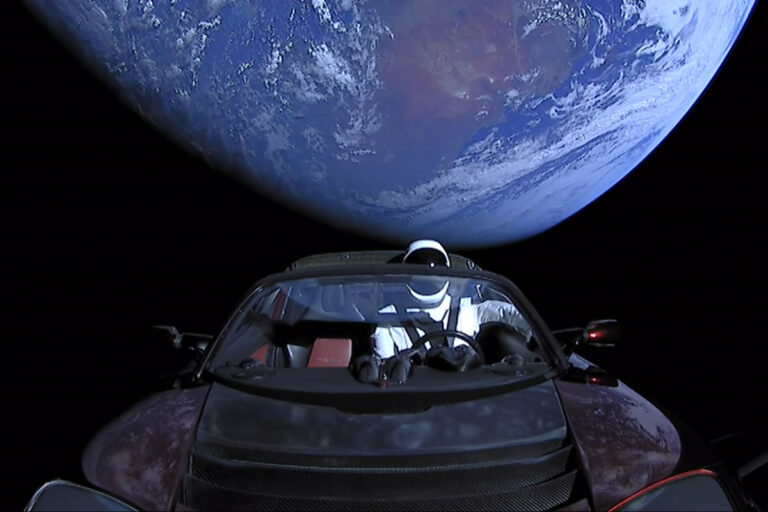
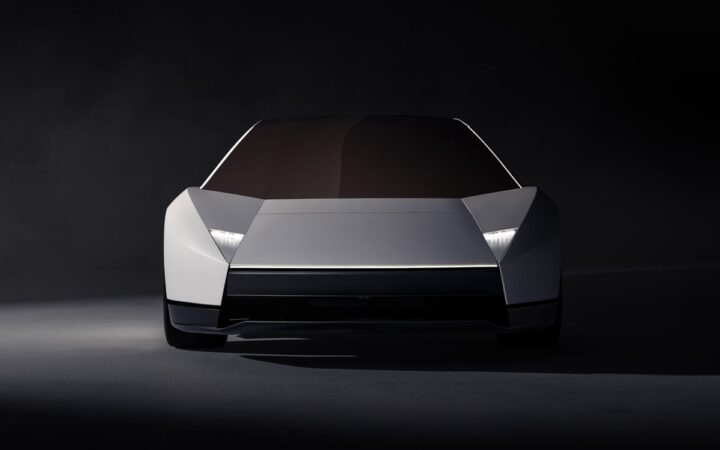
Engineering overlap is also visible in RobotsBeat’s coverage of the new Roadster, which described SpaceX-derived thrusters and reported reuse of Optimus actuator hardware. That example concerns specific components and engineering work, rather than a completed integration of the companies.
Robot Performance Remains the Commercial Test
RobotsBeat previously examined Tesla’s Optimus sales target. Musk’s ambition to sell humanoids publicly by late 2027 remains conditional on reliability, safety and useful capabilities, rather than a firm customer delivery commitment.
A different ownership structure would not itself demonstrate that a robot can complete jobs consistently. Buyers would still need evidence of task success, uptime, intervention frequency and maintenance costs. Those measures determine whether a humanoid is useful in a workplace regardless of the size of its parent company.
The committees’ next substantive decision is whether to recommend a transaction. Until a proposal explains the operating structure and investment priorities, the robotics implications remain strategic possibilities rather than an announced acceleration of Optimus deliveries.
Disclaimer: RobotsBeat is an independent media brand owned and operated by NuvexMedia LLC, publishing news, research, and insights on artificial intelligence, emerging technologies, automation, and related industries. NuvexMedia LLC invests in and collaborates with companies across the AI, Robotics, technology, software, and digital innovation sectors. These relationships do not influence RobotsBeat's editorial coverage, and the publication maintains full editorial independence to provide accurate, timely, and objective information. © 2026 NuvexMedia LLC. All rights reserved. This content is for informational purposes only and should not be considered legal, tax, investment, financial, or other professional advice.