Key Notes
- AGCO and Agility Robotics have signed a commercial agreement for a Digit humanoid pilot at the Hesston factory, with work expected to begin in 2027.
- Initial applications include sorting and stacking parts and placing totes, while robot numbers and the contract value have not been disclosed.
- The project will test how humanoid material handling fits an operating manufacturing process, with no production results reported yet.
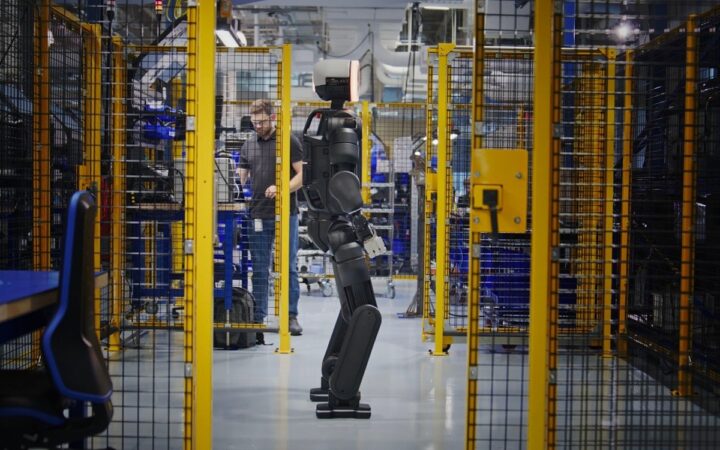
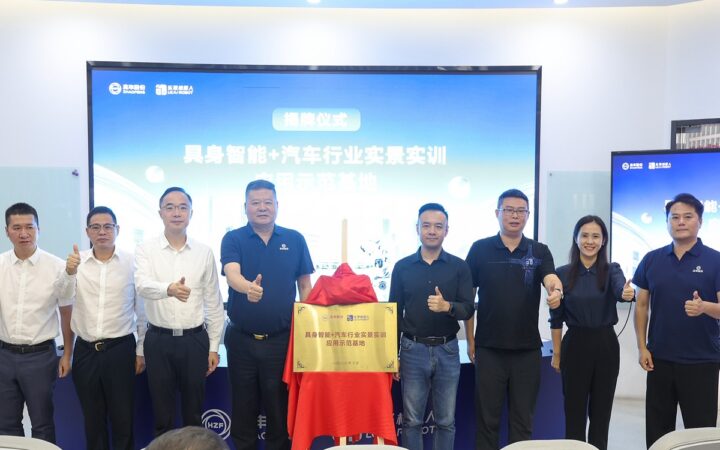
AGCO has signed a commercial agreement with Agility Robotics to pilot Digit humanoid robots at its agricultural-equipment factory in Hesston, Kansas. Announced on October 20, the project is expected to begin in 2027, extending humanoid testing into another major manufacturing operation.
The companies’ announcement identifies parts sorting, stacking and tote placement as the initial jobs. The agreement establishes a pilot, rather than confirming that a fleet is already operating at the site.
Digit Gets Another Manufacturing Assignment
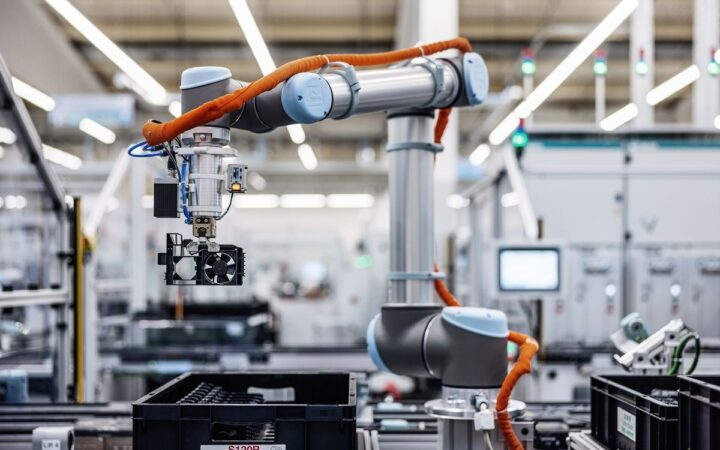
These jobs sit between the machines on a production line. Components must arrive in the right place, empty containers must be removed and incoming parts must be organized. Such handling work can involve repeated lifting and awkward reaches even when the main manufacturing process is automated.
For a humanoid supplier, that creates a relatively specific starting point: handle a defined container or component in a known area, then measure the result. It also exposes the robot to the practical constraints of a working factory, including traffic, changing material flows and limited space.
AGCO says the collaboration is intended to reduce physically demanding work and support more flexible operations. The release does not disclose the number of robots, contract value or an installation schedule beyond the expected 2027 start.
A Pilot Has to Fit the Production Flow
The relevant measure is whether the robot helps the surrounding process run reliably. Sorting speed alone is insufficient if an interrupted job stops material reaching an assembly station; operators also need a clear way to recover when a task fails.
Digit’s fleet-management software, Agility Arc, is part of the supplier’s deployment offering. Connecting a mobile robot to production work involves assigning tasks and tracking progress as well as controlling its movements.
RobotsBeat previously covered Toyota’s Digit deployment and Mercado Libre’s agreement. The AGCO pilot adds agricultural-equipment manufacturing to that customer picture, without establishing that the same tasks or economics apply at every location.
From Hardware Capability to Useful Uptime
The announcement follows Agility’s battery partnership for Digit 5. Charging time matters because a robot assigned to material handling has to be available when the production process needs it, rather than simply capable of completing an isolated demonstration.
AGCO’s release does not specify which Digit generation will be used, so the pilot should not automatically be described as a Digit 5 deployment. Performance targets will become more informative when the companies disclose the selected workflow, operating hours and results from the actual site.
For now, the concrete development is a signed commercial agreement and a named factory. The next step is turning that commitment into a measured industrial pilot in 2027.
Disclaimer: RobotsBeat is an independent media brand owned and operated by NuvexMedia LLC, publishing news, research, and insights on artificial intelligence, emerging technologies, automation, and related industries. NuvexMedia LLC invests in and collaborates with companies across the AI, Robotics, technology, software, and digital innovation sectors. These relationships do not influence RobotsBeat's editorial coverage, and the publication maintains full editorial independence to provide accurate, timely, and objective information. © 2026 NuvexMedia LLC. All rights reserved. This content is for informational purposes only and should not be considered legal, tax, investment, financial, or other professional advice.