Key Notes
- Musk told Walter Isaacson that AI and robots are the only way to solve US national debt, according to Axios’s preview of their upcoming interview.
- The argument depends on automation delivering broad productivity gains, while federal borrowing also reflects revenue, spending and interest costs.
- The Builders premieres on October 20, with real-world robot performance and sustained business adoption remaining the evidence needed to assess the economic claim.
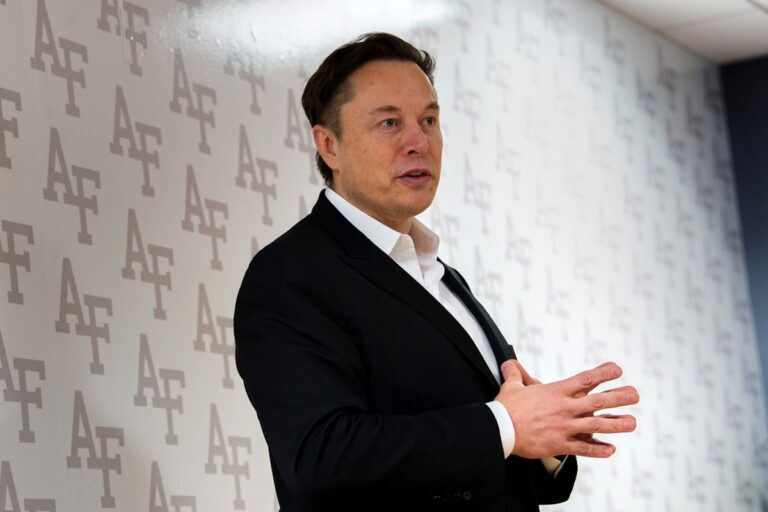
Elon Musk says artificial intelligence and robots are the only way to solve the United States’ national-debt problem, according to an Axios preview of his interview with biographer Walter Isaacson. The argument links his robotics ambitions to economic growth, rather than relying on government spending cuts alone.
“The only way we’re going to solve the national debt is with AI and robots,” Musk said, Axios reported on October 17. He also reflected critically on his time leading the Department of Government Efficiency, saying political resistance limited the effort and that he should have returned to his companies sooner.
A Productivity Argument, Not a Fiscal Forecast
The economic mechanism implied by Musk’s claim is greater output: machines could allow more goods and services to be produced with the available workforce. If that translated into a larger taxable economy, it could help the government’s finances.
That chain of effects is conditional. Robot adoption requires capital, integration and reliable operation, while the fiscal outcome also depends on how productivity gains affect wages, profits, prices and tax receipts. A company making a task cheaper does not automatically produce an equivalent reduction in federal borrowing.
The U.S. Treasury’s debt explainer distinguishes accumulated borrowing from an annual deficit, which occurs when spending exceeds revenue. Faster growth can change the relationship between debt and the size of the economy without necessarily reducing the nominal debt balance.
Industrial Robots Still Have to Deliver Results
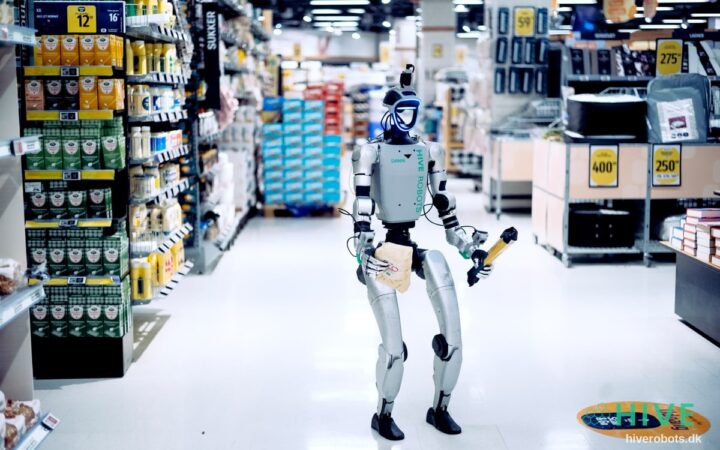
For robotics, the practical issue is whether machines can provide dependable work at a cost that encourages broad adoption. Payload, autonomy and operating time matter, but so do maintenance, unsuccessful attempts and the effort required to fit a robot into an existing workplace.
RobotsBeat’s report on Leju’s factory deployment illustrates why task-level measurements are useful. Reported loading success and cycle times offer a clearer basis for assessing productivity than the appearance of a humanoid alone.
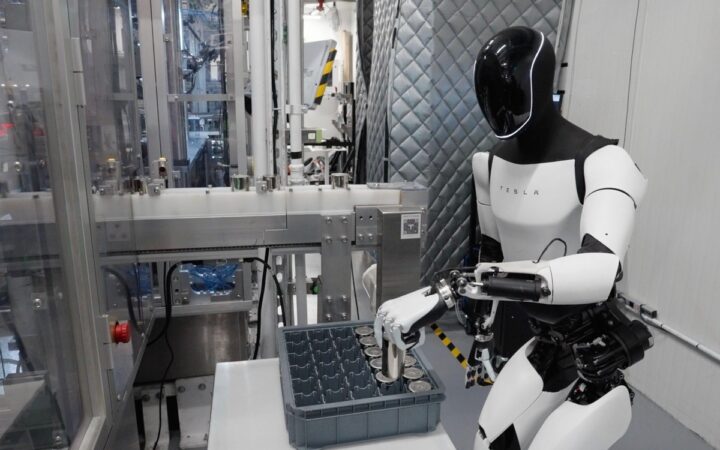
Our coverage of Optimus production plans addresses Musk’s own effort to commercialize humanoids. Sales targets and manufacturing ambitions remain different kinds of evidence from sustained customer operation.
The Full Interview Is Still Ahead
The comments preview The Builders with Walter Isaacson. Producer Kaleidoscope’s series page confirms an October 20 premiere and describes conversations with the people developing AI and other technologies. Its published preview currently features Peter Thiel.
Musk’s statement sets out a sweeping view of what automation could achieve. The test for that view will involve measurable productivity improvements across many businesses, alongside government revenue and spending decisions; no single robot launch establishes the fiscal result.
Disclaimer: RobotsBeat is an independent media brand owned and operated by NuvexMedia LLC, publishing news, research, and insights on artificial intelligence, emerging technologies, automation, and related industries. NuvexMedia LLC invests in and collaborates with companies across the AI, Robotics, technology, software, and digital innovation sectors. These relationships do not influence RobotsBeat's editorial coverage, and the publication maintains full editorial independence to provide accurate, timely, and objective information. © 2026 NuvexMedia LLC. All rights reserved. This content is for informational purposes only and should not be considered legal, tax, investment, financial, or other professional advice.