Key Notes
- NeodraDynamics describes Neo1 as a four-meter-class, 1.2-tonne robot with a claimed 500 kg combined two-arm payload, rather than a verified load exceeding that figure.
- The humanoid uses a hydraulic-electric architecture and targets heavy assembly, mining and hazardous maintenance, with JD Industrial supporting industrial pilot development.
- Published precision figures have changed between releases, while test conditions, customer delivery timing and independently verified operating results remain unclear.
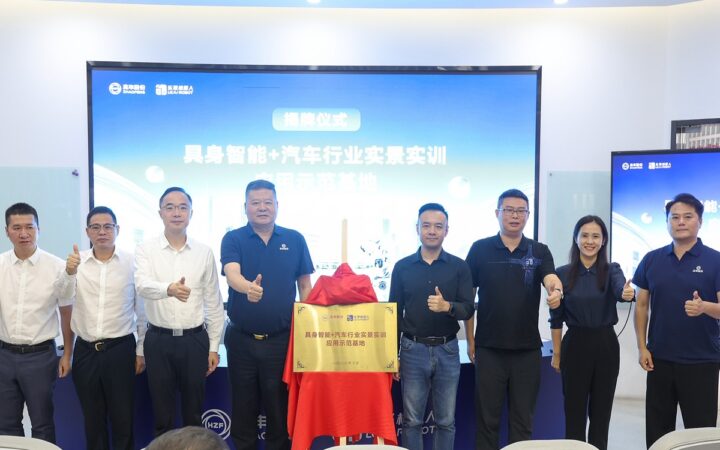
NeodraDynamics has showcased Neo1, a four-meter-class industrial humanoid with a manufacturer-claimed combined two-arm payload of 500 kilograms. The Beijing company presented the hydraulic-electric machine with JD Industrial at the China International Industry Fair, targeting heavy and hazardous work rather than household assistance.
The company’s October 14 announcement describes Neo1 as a 1.2-tonne robot. Its 500 kg figure refers to the arms working together; it is not a per-arm rating or a verified claim of lifting more than that amount.
A Heavy-Duty Approach to Humanoid Design
Neo1 has 41 active degrees of freedom, according to NeodraDynamics. Thirty-nine joints use its miniature digital hydraulic linear actuators, while two forearm rotational joints use electric drives.
The design combines hydraulic force with electric control where the company considers each appropriate. That is a different engineering emphasis from machines optimized around human-scale weight and light manipulation, but it does not establish that one architecture is best for every industrial task.
NeodraDynamics’ earlier September release described Neo1 at the World Robot Conference in Beijing. The October exhibition therefore adds a partnership and commercialization update to a machine that had already been shown publicly.
Mining and Subsea Work Are Intended Applications
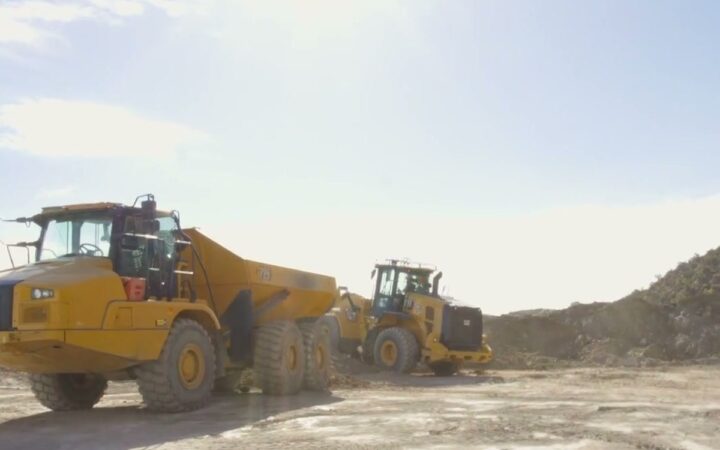
The company proposes Neo1 for heavy assembly, port cargo handling, mining, demolition and hazardous maintenance, including nuclear and subsea environments. Its JD Industrial collaboration focuses on matching the technology to industrial settings and developing pilot applications.
These are ambitious operating requirements. A payload specification alone does not establish underwater endurance, radiation tolerance, mobility over rubble or the ability to complete a full maintenance procedure. Each use requires its own equipment configuration and operating validation.
RobotsBeat has covered Minerva’s hazardous-work robot, another effort to move machinery into tasks that expose people to danger. The relevant comparison is the complete job a system can perform, including the operator’s role and recovery when something goes wrong.
Precision Claims Need Their Test Conditions
NeodraDynamics’ September release cited fingertip repeatability of plus or minus 0.05 millimeters. Its October release gives a repeat-positioning figure of plus or minus 0.005 millimeters, without clearly establishing that the two measurements describe the same point, load or test procedure.
Those figures should not be combined into an independently demonstrated claim that Neo1 can manipulate a 500 kg load with that precision. Repeatability, positioning accuracy and payload under a particular reach are different measurements, and meaningful comparisons require matching test conditions.
The announcement also does not provide a customer delivery date, price or independently verified operating record. Neo1’s immediate significance is its proposed heavy-duty architecture, while commercial usefulness still depends on validated performance and sustained operation.
Recent Leju factory figures illustrate the kind of task-level evidence that helps assess industrial humanoids. For Neo1, documented lifting cycles, endurance and pilot outcomes would make the next development more informative than size alone.
Disclaimer: RobotsBeat is an independent media brand owned and operated by NuvexMedia LLC, publishing news, research, and insights on artificial intelligence, emerging technologies, automation, and related industries. NuvexMedia LLC invests in and collaborates with companies across the AI, Robotics, technology, software, and digital innovation sectors. These relationships do not influence RobotsBeat's editorial coverage, and the publication maintains full editorial independence to provide accurate, timely, and objective information. © 2026 NuvexMedia LLC. All rights reserved. This content is for informational purposes only and should not be considered legal, tax, investment, financial, or other professional advice.