
Key Notes
- Dexforce uses varied virtual environments to generate synthetic training data and transfer learned behavior to physical humanoid robots, according to Reuters.
- Its W1 Pro platform combines humanoid manipulation with wheeled mobility and configurable hands or grippers, making hardware-specific transfer a central engineering requirement.
- The company’s cost-saving proposition still needs to be judged against real task success, recovery and human intervention rather than the volume of synthetic examples alone.
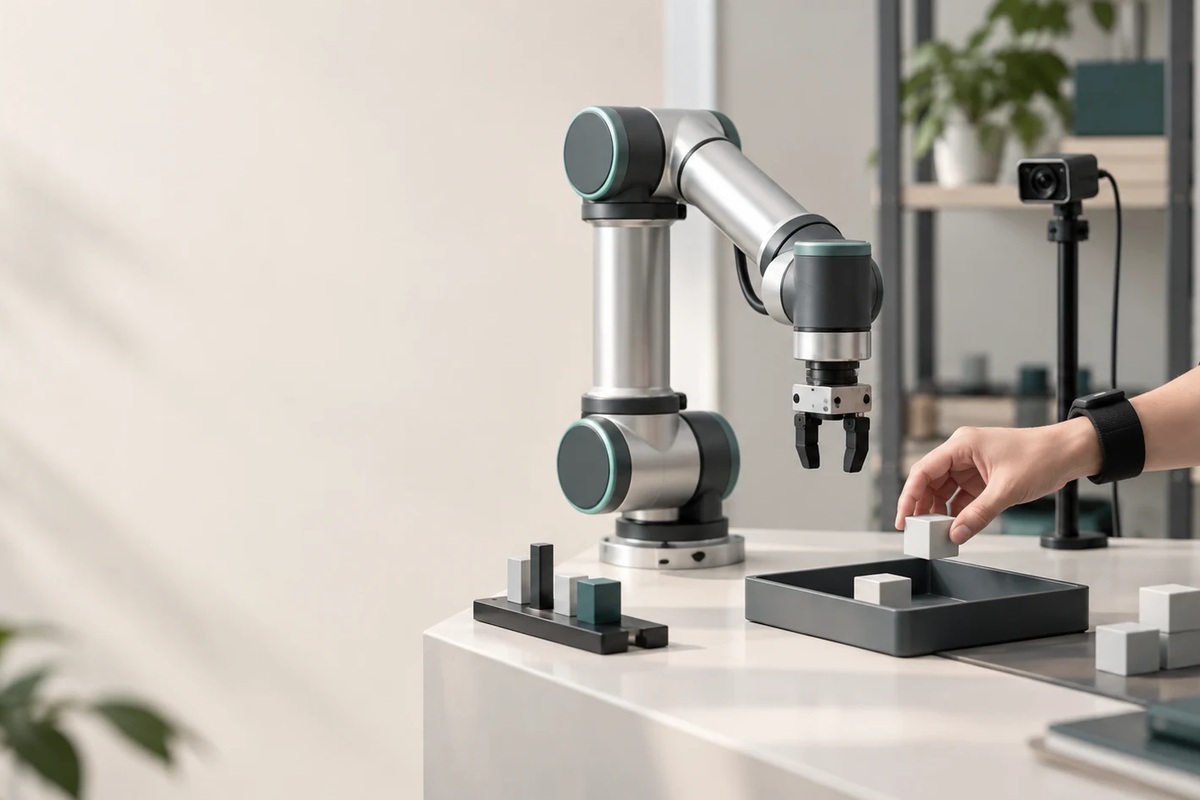
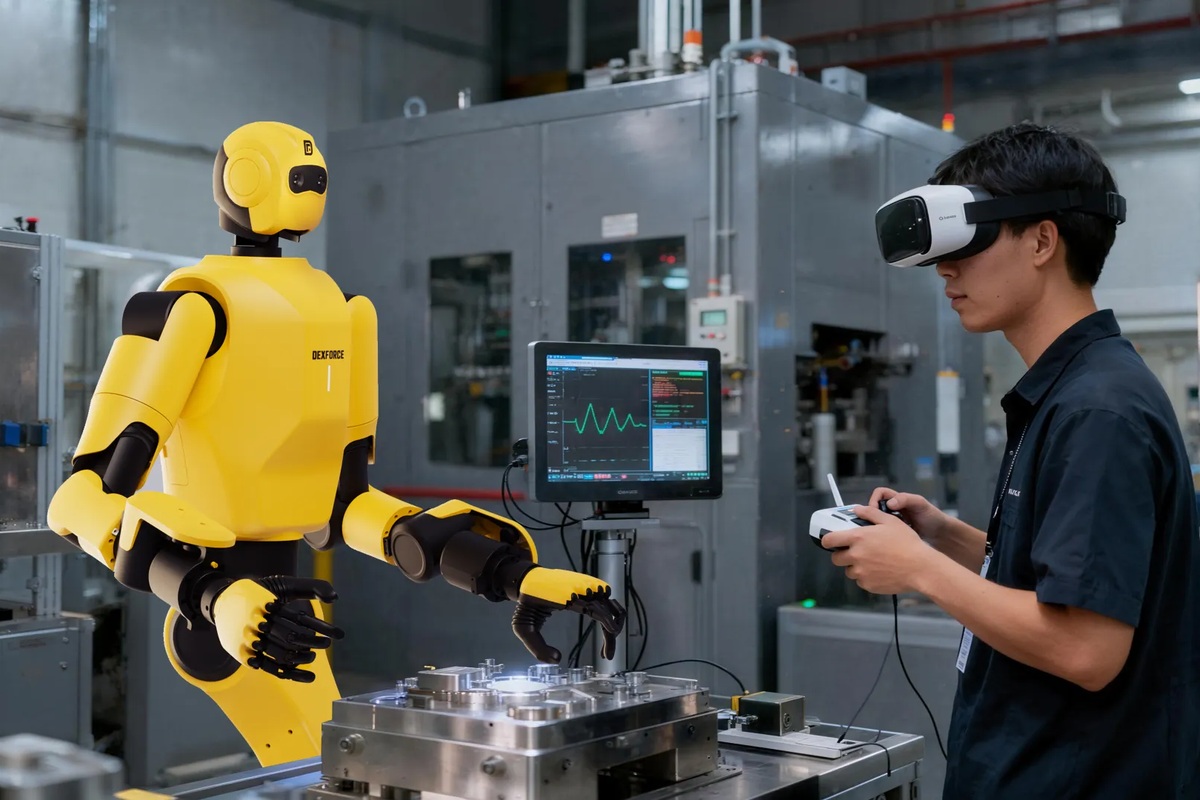
Chinese robotics startup Dexforce is using synthetic data generated in virtual environments to train humanoid robots, betting that simulation can reduce the cost of teaching machines useful physical tasks. The Shenzhen company builds both robot hardware and software intended to connect simulated training with real-world work.
Reuters reported on October 15 that Dexforce varies objects, table appearance and robot arm positions in virtual exercises before transferring learned behavior to physical machines. Chief executive Jia Kui argues that relying entirely on people to collect demonstrations would be inefficient at the scale needed for general-purpose robotics.
Virtual Variation Instead of Repeating Every Task
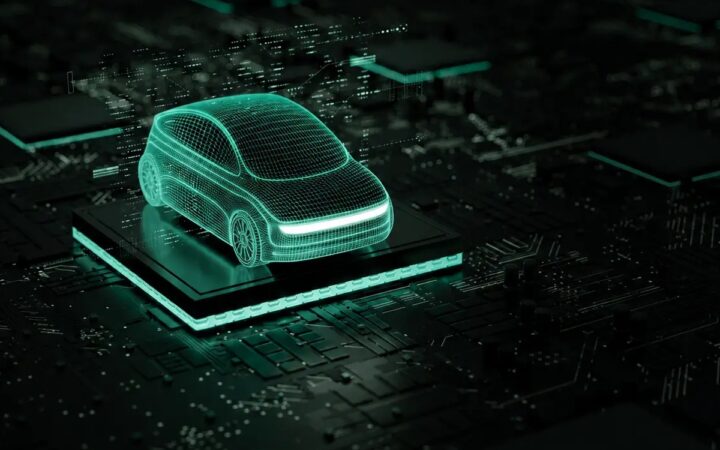
Dexforce’s DexVerse engine is designed to generate three-dimensional scenes and synthetic training data. The company describes a pipeline linking data generation, model training, evaluation and deployment, with simulated sensors and physics supporting the virtual environments.
The attraction is variation. Developers can change an object’s position or the appearance of a scene without requiring a worker to physically reset every example. That can expand the training set beyond a narrowly repeated demonstration.
It also creates a test of transfer: a policy that performs well in a simulator must still cope with physical contact, camera differences and objects that behave differently from their virtual counterparts. More synthetic examples only help deployment if the learned behavior survives those differences.
W1 Pro Combines Manipulation With Mobile Hardware
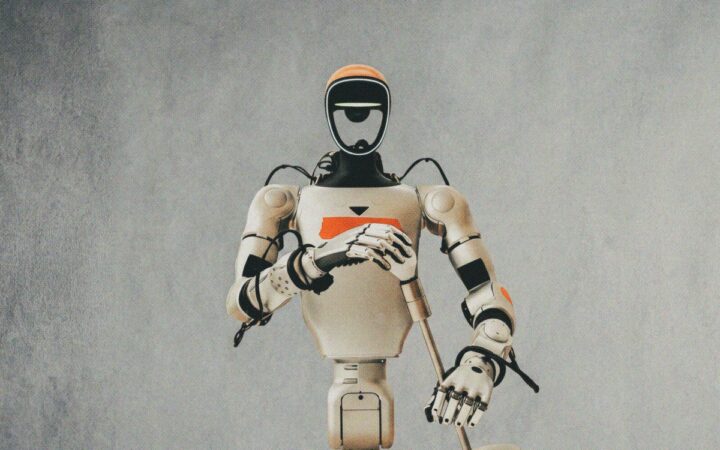
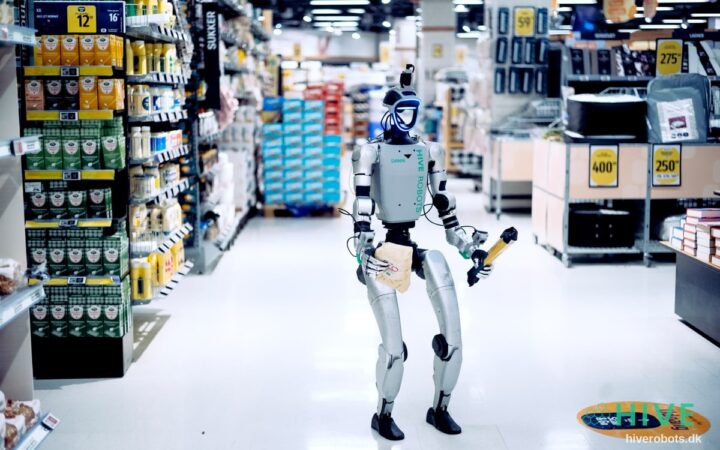
The company’s W1 Pro platform pairs humanoid arms with a wheeled base. Its product page lists alternative chassis and end-effector configurations, including dexterous hands or two-finger grippers, rather than one fixed specification for every version.
Dexforce advertises up to 40 degrees of freedom in an omnidirectional configuration, 1,000 Hz joint control and a maximum single-arm load of 10 kg. The page also describes stereo and wrist vision, optional wrist force sensing and SLAM-based navigation. These are manufacturer specifications, not independent measurements of task success.
The hardware matters because a training pipeline ultimately has to control a particular body. Reach, grip, sensing and the way the base moves constrain what a learned task can accomplish outside the virtual environment.
Scaling Data Does Not Settle Reliability
Reuters reports that Dexforce recently raised 1 billion yuan in a Series B round at a valuation above 10 billion yuan. The report names Lenovo Capital and Lens Technology among its backers, placing the simulation strategy within a broader effort to commercialize its technology.
The cost-reduction argument remains a claim about the development approach. Reuters’ report does not supply a standardized, independently verified percentage saving that can be applied to every training task or customer deployment.
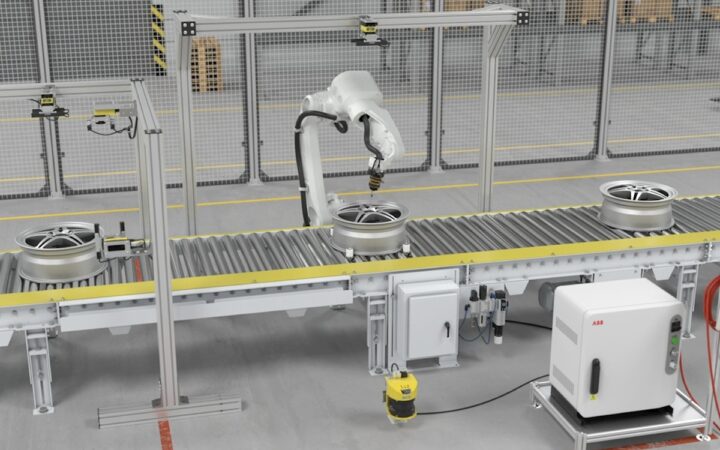
RobotsBeat has covered ABB’s simulation work and 120ft’s microfactories, which also connect virtual preparation with physical production. Dexforce’s approach addresses the same transition from teachable actions to repeatable work, using synthetic data as a central input.
The decisive evidence will be performance on unfamiliar physical tasks: successful completions, failures, recovery and the amount of human intervention required. Those measures can show whether a cheaper training process translates into a dependable robot service.
Disclaimer: RobotsBeat is an independent media brand owned and operated by NuvexMedia LLC, publishing news, research, and insights on artificial intelligence, emerging technologies, automation, and related industries. NuvexMedia LLC invests in and collaborates with companies across the AI, Robotics, technology, software, and digital innovation sectors. These relationships do not influence RobotsBeat's editorial coverage, and the publication maintains full editorial independence to provide accurate, timely, and objective information. © 2026 NuvexMedia LLC. All rights reserved. This content is for informational purposes only and should not be considered legal, tax, investment, financial, or other professional advice.