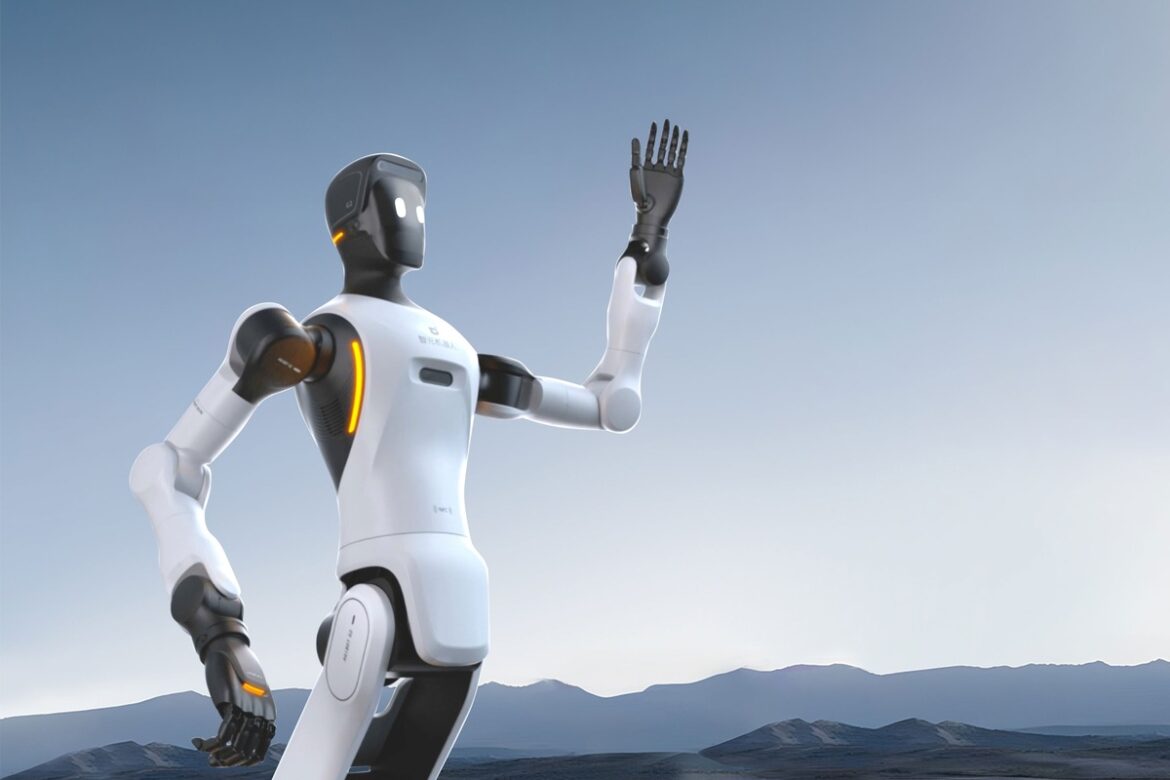
AgiBot Launches Genie Studio 2.0 to Put Robots to Work Faster
AgiBot’s Genie Studio 2.0 connects robot training, task design and fleet monitoring, with a seven-day deployment-validation claim and a retail test ahead.
Automation refers to the use of machines, software, and control systems to perform tasks with minimal human intervention. In modern industry, automation spans physical processes, digital workflows, and hybrid systems that connect robotics with software intelligence. This topic examines how automation technologies are transforming manufacturing, logistics, supply chains, energy, and services through increased efficiency, consistency, and scalability. Key areas include industrial automation, process control, robotic automation, and the integration of AI-driven decision systems. The topic also addresses workforce impact, system reliability, and the role of standards and regulation in large-scale deployment. As organizations seek resilience and productivity gains, automation continues to evolve from rule-based systems toward adaptive, intelligent operations embedded across the global economy.
AgiBot’s Genie Studio 2.0 connects robot training, task design and fleet monitoring, with a seven-day deployment-validation claim and a retail test ahead.
Digit 5 will use NVIDIA IGX Thor as Agility aligns onboard computing and safety systems ahead of planned early access in 2027.

Bolt’s Lucid robotaxi program brings driving AI, sensors and fleet operations together, with Madrid data collection planned for 2027 pending approval.

JR West is adding two railway maintenance robots, targeting a 30% reduction in manpower for selected jobs and safer work at height.
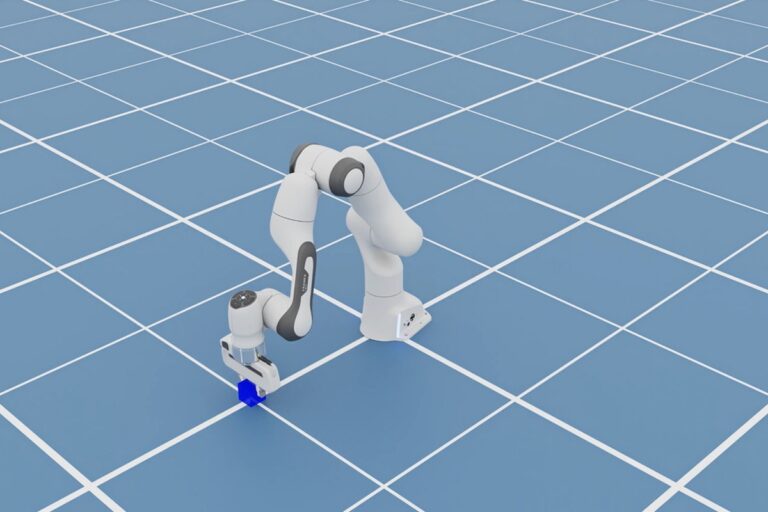
CoreWeave’s Physical AI Launchables packages Isaac Sim, MuJoCo and other tools into tested workflows for robot training and evaluation.
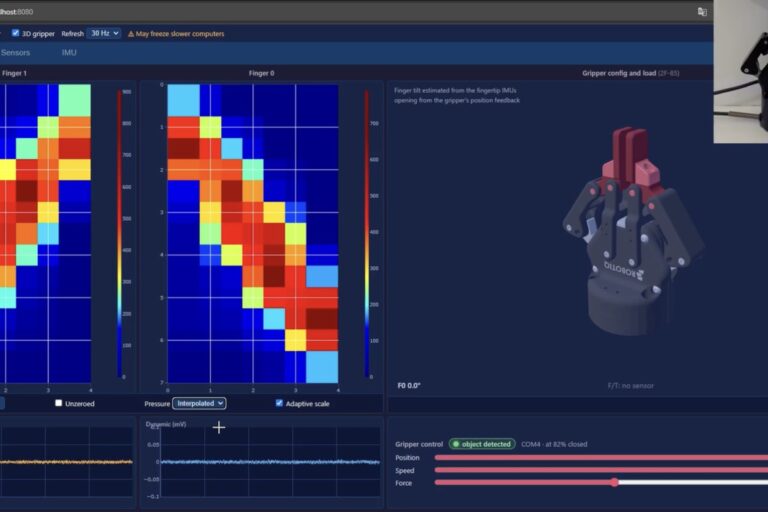
Robotiq’s new gripper combines tactile sensing and onboard grasp intelligence, with pre-orders open and shipments planned for Q1 2027.

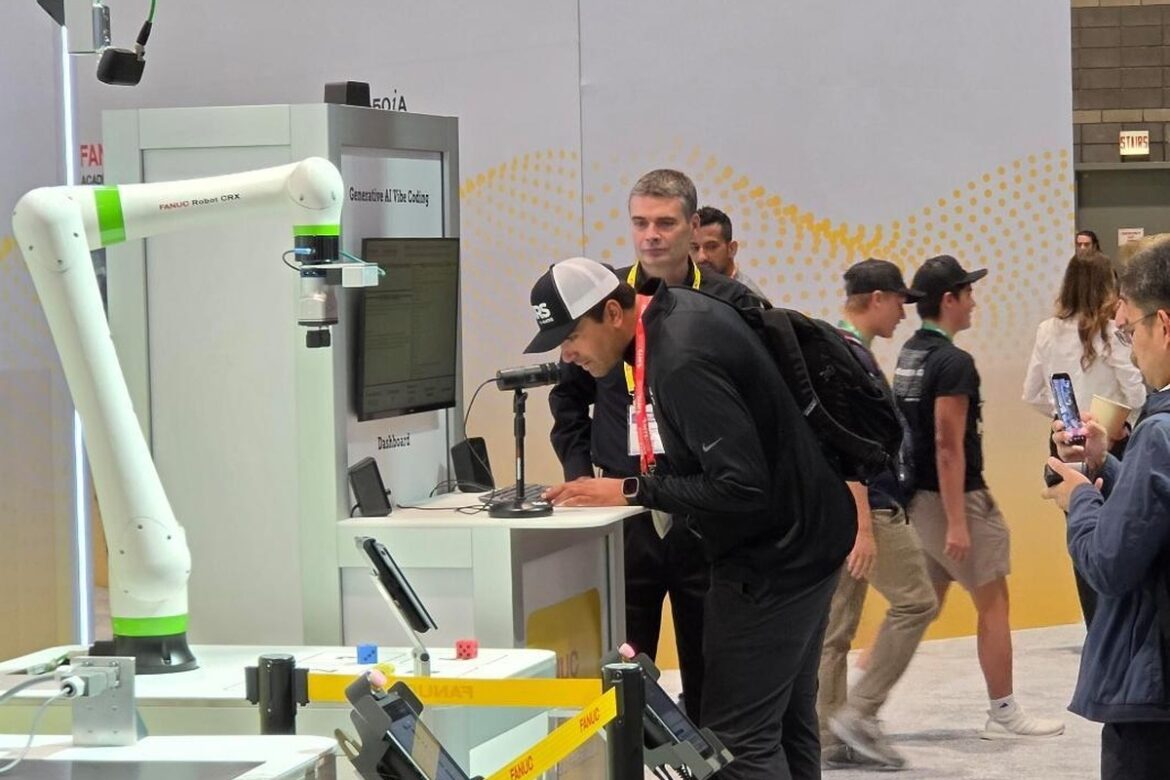
FANUC’s new Michigan academy more than doubles its classrooms as the company expands hands-on robotics and automation training.
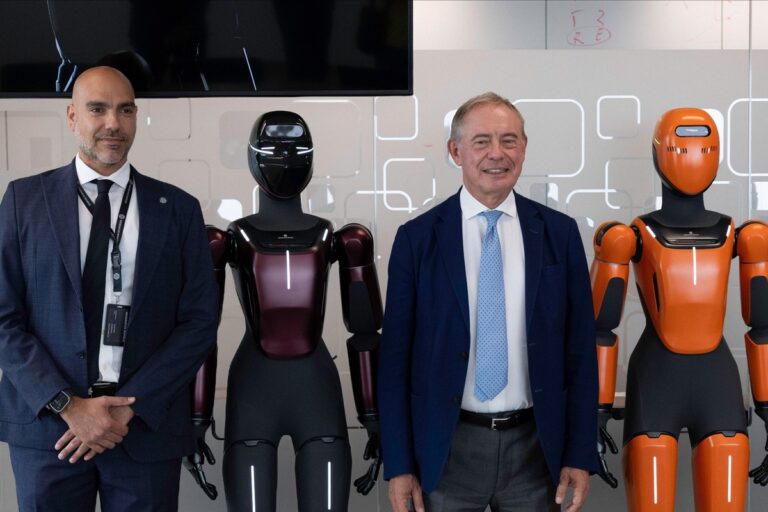
Generative Bionics plans a 5,000-square-meter Italian robot-training hub for Q4 2027, linking GENE.01 humanoids, digital twins and AMD Helios compute.
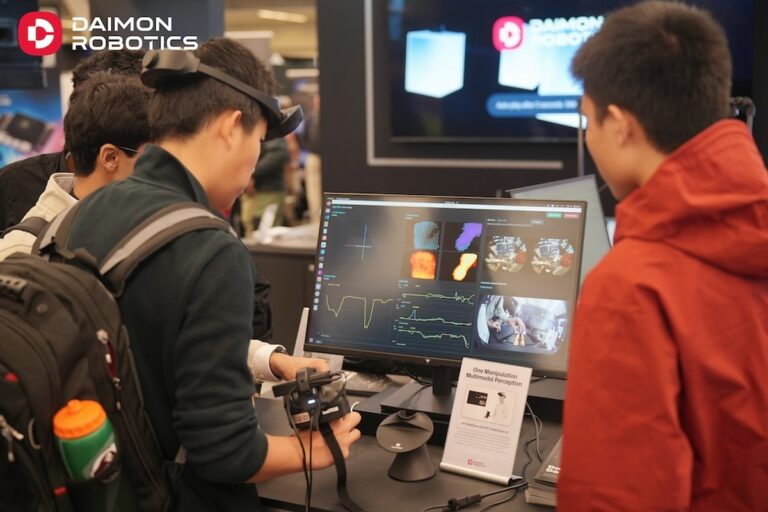
Daimon Robotics connects touch sensors, demonstration data and simulation to help physical AI systems handle contact-rich assembly and packaging tasks.

Schaeffler’s Taicang factory uses six humanoids across five stations to assemble robot joint modules while linking production, training and digital twins.