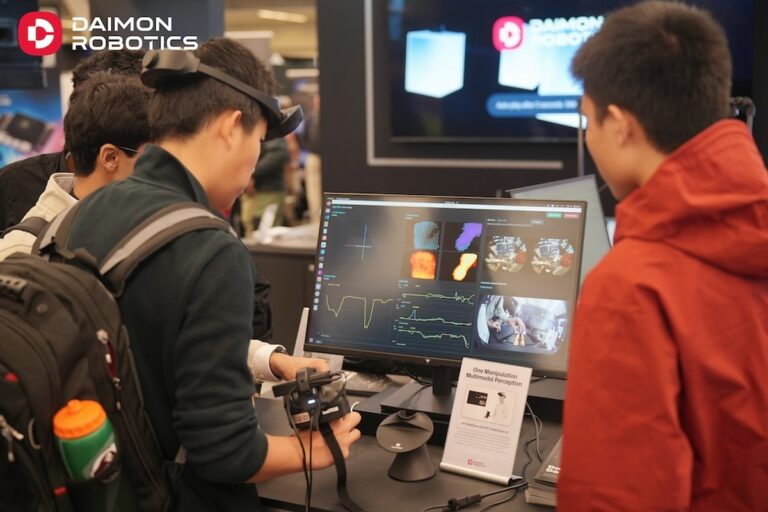
Daimon Robotics Builds Touch-Sensing Infrastructure for Physical AI
Daimon Robotics connects touch sensors, demonstration data and simulation to help physical AI systems handle contact-rich assembly and packaging tasks.
Automation refers to the use of machines, software, and control systems to perform tasks with minimal human intervention. In modern industry, automation spans physical processes, digital workflows, and hybrid systems that connect robotics with software intelligence. This topic examines how automation technologies are transforming manufacturing, logistics, supply chains, energy, and services through increased efficiency, consistency, and scalability. Key areas include industrial automation, process control, robotic automation, and the integration of AI-driven decision systems. The topic also addresses workforce impact, system reliability, and the role of standards and regulation in large-scale deployment. As organizations seek resilience and productivity gains, automation continues to evolve from rule-based systems toward adaptive, intelligent operations embedded across the global economy.
Daimon Robotics connects touch sensors, demonstration data and simulation to help physical AI systems handle contact-rich assembly and packaging tasks.

Schaeffler’s Taicang factory uses six humanoids across five stations to assemble robot joint modules while linking production, training and digital twins.

AGCO will pilot Agility’s Digit humanoids in Hesston, Kansas, from 2027, targeting parts sorting, stacking and tote handling.

Germany’s NVIDIA partnership targets physical AI and industrial robotics, alongside planned Agile Robots investment and Siemens factory applications tested in live production.
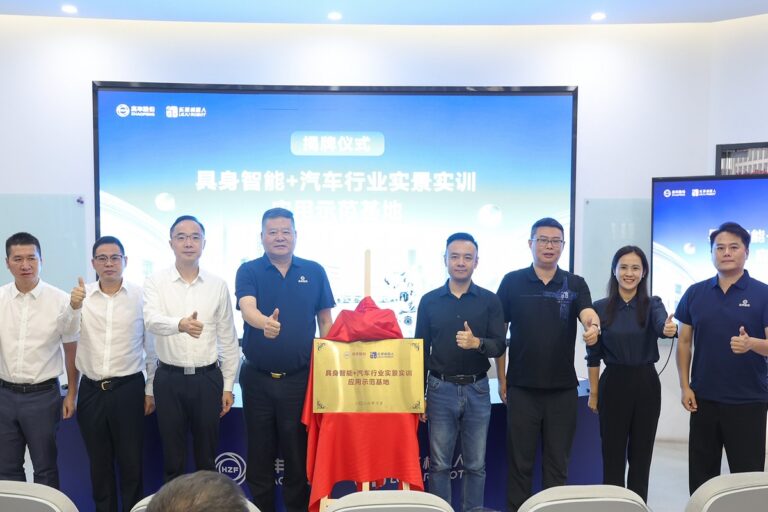
Leju and Zhaofeng report routine operation of 15 humanoids on an auto-parts line, with 98% loading success and cycle times still slower than skilled workers.
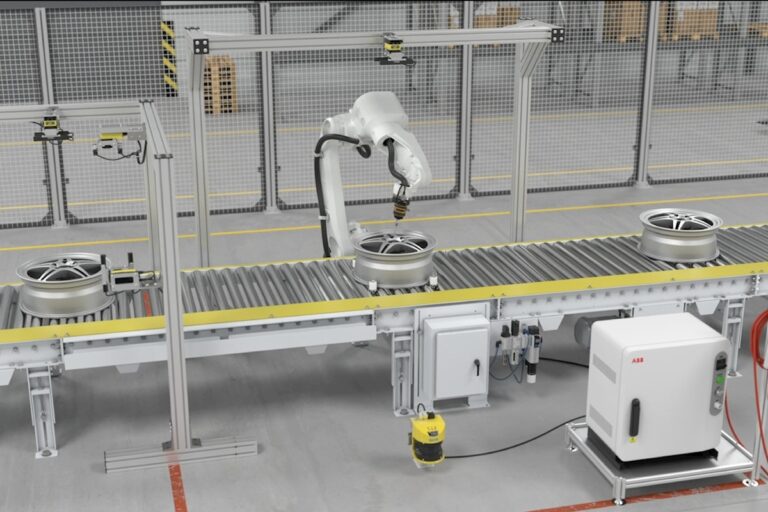
ABB’s new IRB 1700 and IRB 1700ID families combine 6–12 kg payloads with shorter-cycle claims, integrated cable routing and OmniCore control.
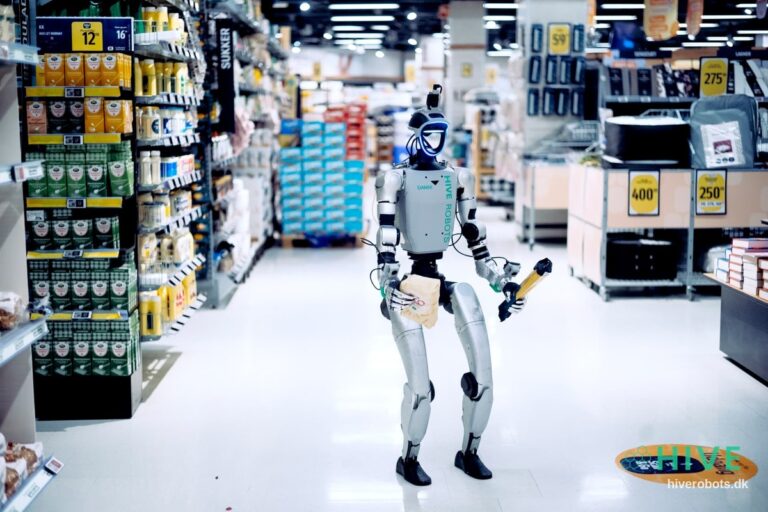
Salling Group and HIVE are training humanoid robots to restock Føtex shelves at night, targeting selected autonomous tasks in early 2027.

Swedish startup 120ft raises €576,000 to develop container-based robotic factories where brands pay per finished product instead of buying robots.
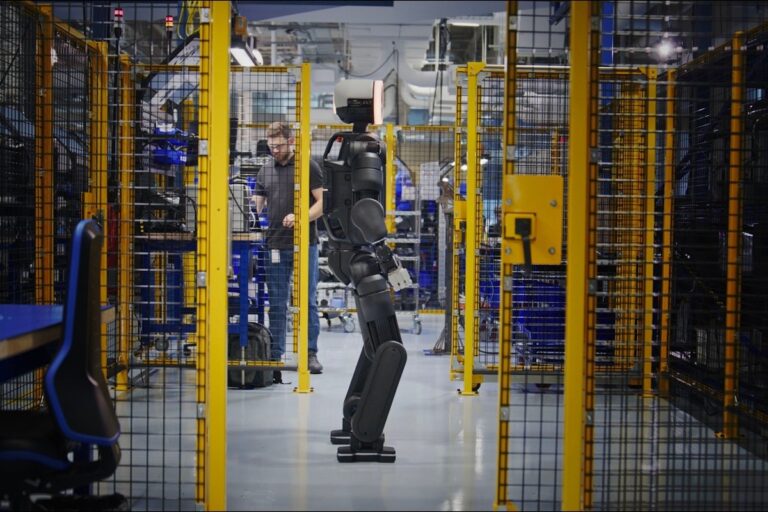
Boston Dynamics shows how machining, assembly and repair support Atlas development, with a goal of cutting robot build time from a day to an hour.
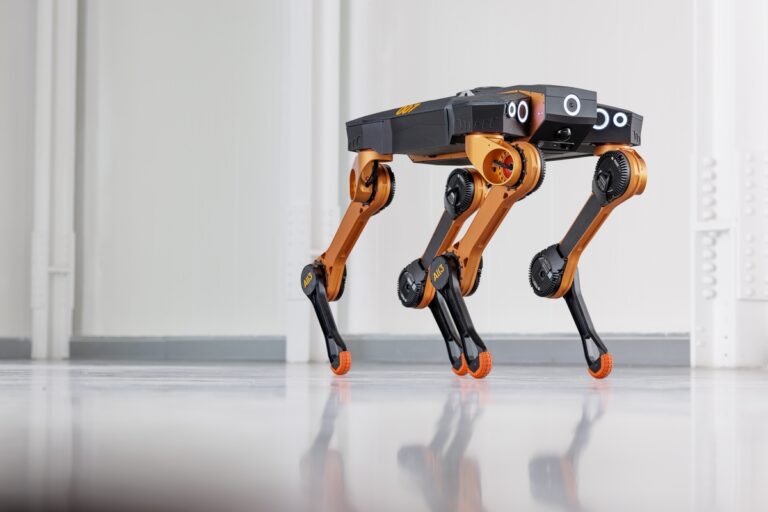
All3’s redesigned Mantis robot combines autonomous stair climbing and screw fastening, with its first live construction deployment planned for early 2027.
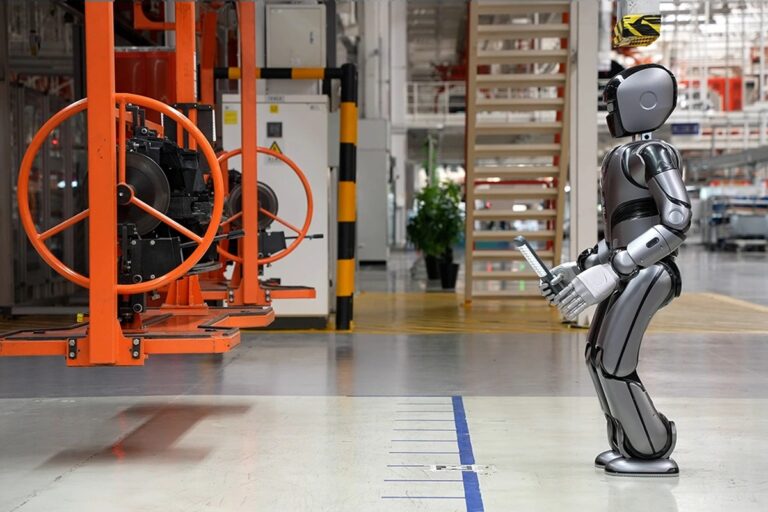
UBTECH and FAW-Volkswagen will develop and test humanoid robots for factory logistics, building on Walker S Lite inspection work at the Qingdao plant.
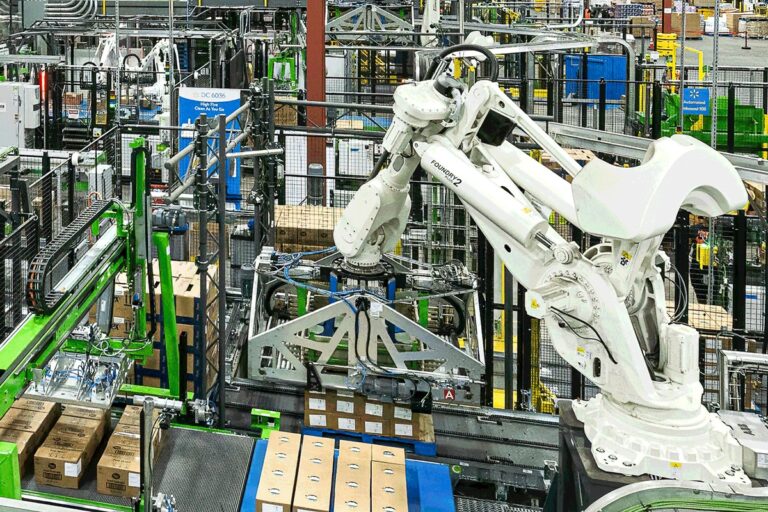
Walmart’s warehouse automation push faces packaging problems, robot maintenance and costly retrofits as the retailer works toward supply-chain savings.