GXO Expands Digit Humanoid Robot Deal to Two More U.S. Warehouses
GXO plans Digit deployments in North Carolina and Tennessee in early 2027, building on more than 100,000 totes moved at its existing Georgia operation.
Physical AI refers to artificial intelligence systems that perceive, reason, and act in the physical world through sensors, actuators, and embodied control. Unlike purely digital AI, Physical AI connects software intelligence with real-world interaction, enabling robots, autonomous machines, and smart devices to move, manipulate objects, and respond to dynamic environments. This topic covers perception, motion planning, control systems, and learning-based behaviors used in robotics, autonomous vehicles, and industrial automation. It also explores simulation, digital twins, and real-world training methods that bridge the gap between virtual models and physical execution. As AI increasingly leaves the screen and enters the real world, Physical AI represents a critical foundation for scalable, intelligent machines operating outside controlled environments.
GXO plans Digit deployments in North Carolina and Tennessee in early 2027, building on more than 100,000 totes moved at its existing Georgia operation.
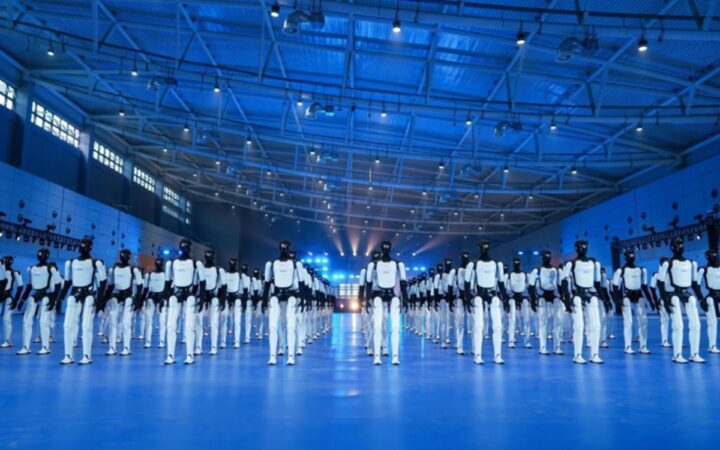

Unitree’s H2-X reportedly lost part of a leg after a failed side flip at its Hangzhou summit, prompting debate over humanoid durability and live demonstrations.

Unitree shares rose 20% on October 23 as advances in AI models renewed hopes that the robot maker can turn agile hardware into more capable working...

Galaxy Corporation launches a humanoid performance arena with Emaar Entertainment and Reel Cinemas at Dubai Mall, extending its robot-show business beyond Seoul.
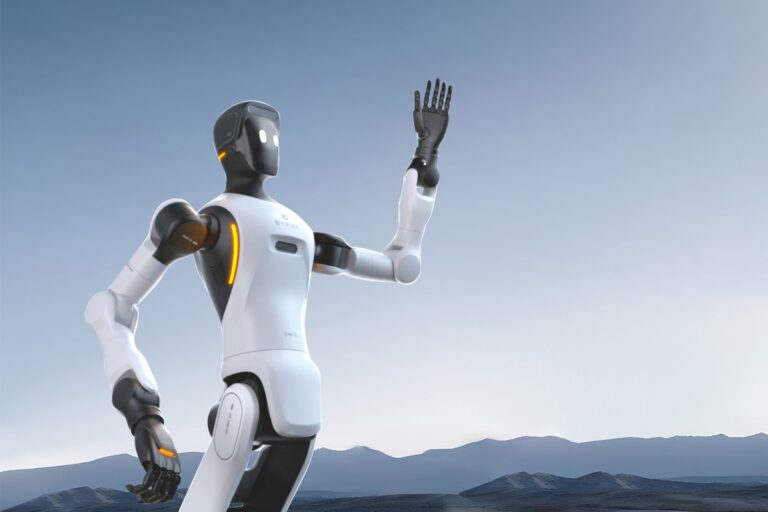
AgiBot’s Genie Studio 2.0 connects robot training, task design and fleet monitoring, with a seven-day deployment-validation claim and a retail test ahead.
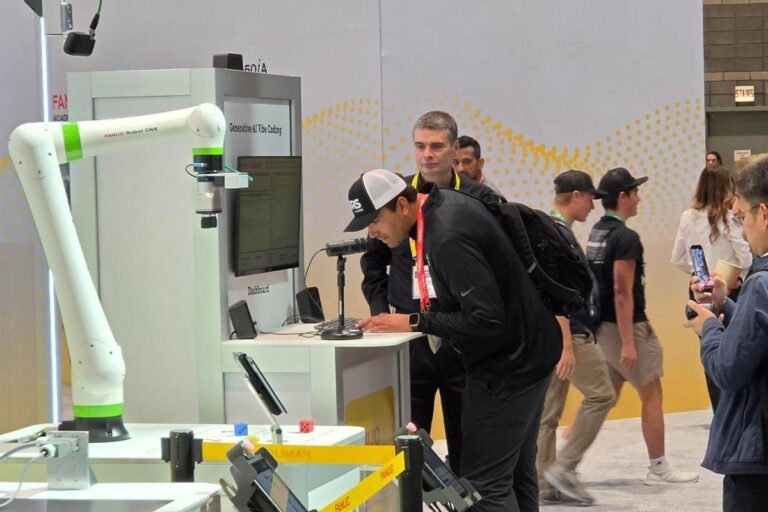
FANUC’s robot orders rose 12.6% year on year in July–September, while regional sales reveal an uneven recovery in industrial automation.
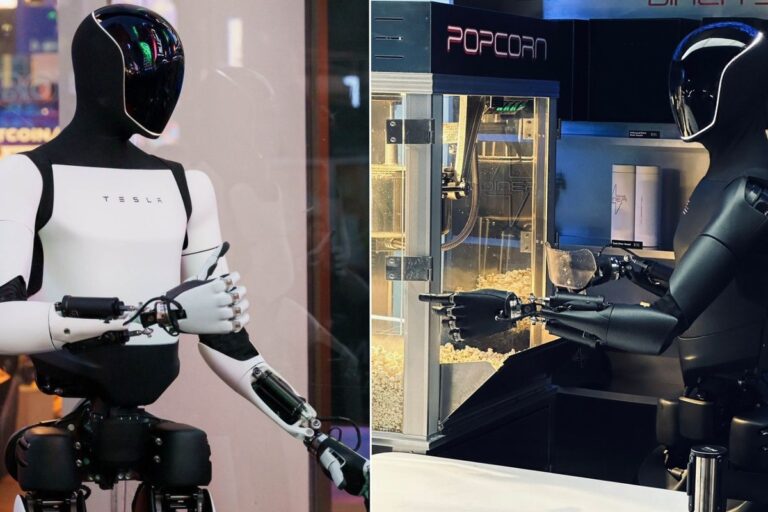
Tesla confirms production-quality Optimus robots are leaving Fremont’s high-volume lines, but Musk says a 20,000-per-week pace remains at least a year away.
Digit 5 will use NVIDIA IGX Thor as Agility aligns onboard computing and safety systems ahead of planned early access in 2027.