Key Notes
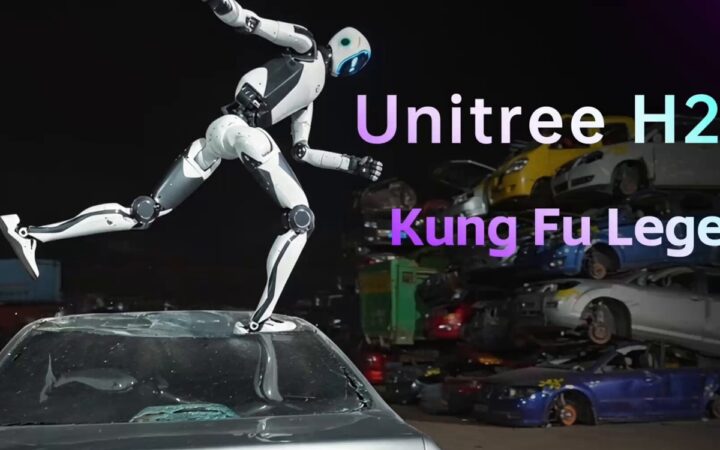
- Unitree’s H2-X reportedly lost part of a leg after a failed side flip during an October 22 demonstration in Hangzhou.
- Reactions on Weibo ranged from criticism of the robot’s durability to arguments that prototype failures are part of development.
- Global Times reported no public company explanation as of October 25, leaving the failure’s technical cause unestablished.
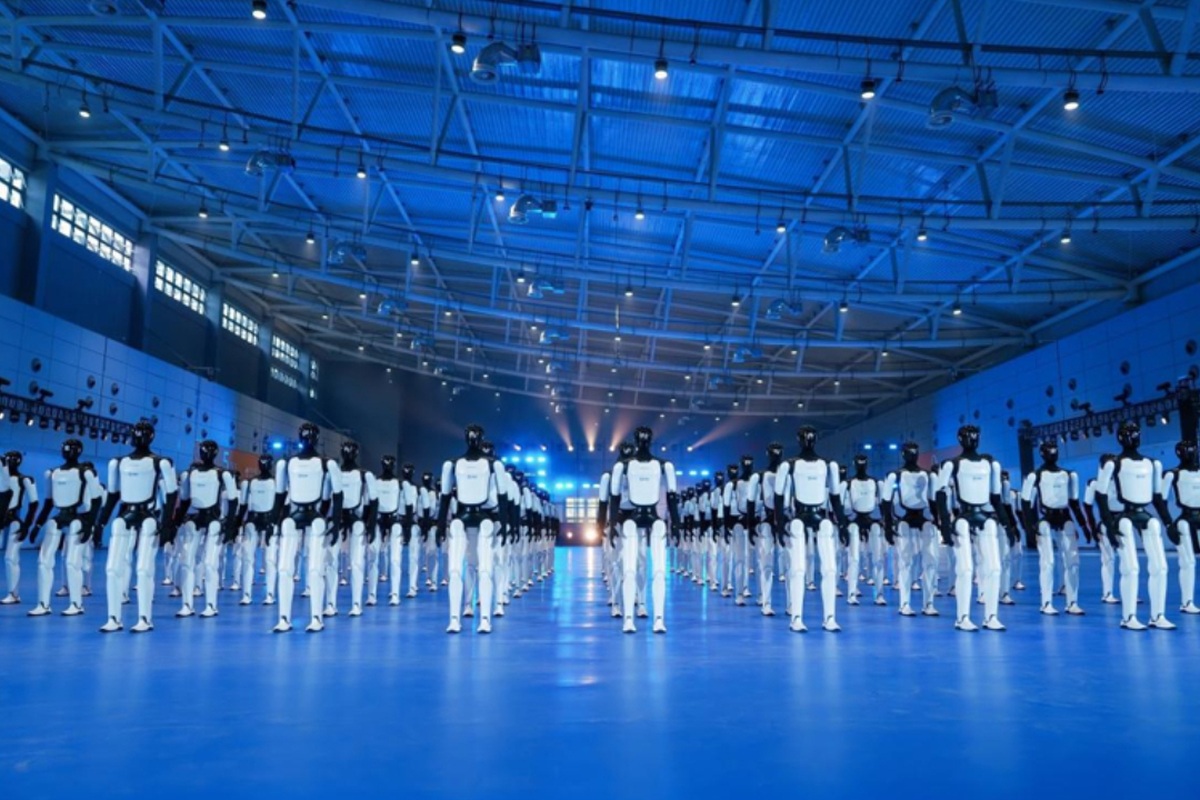
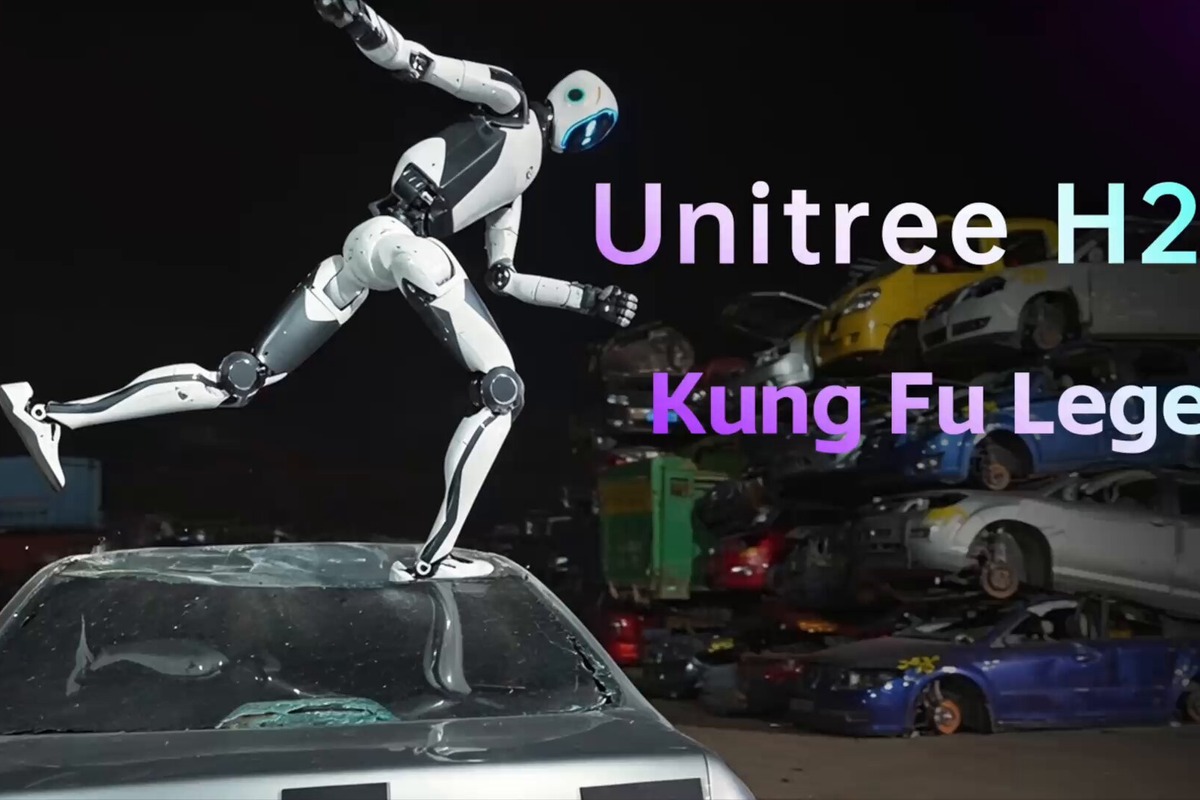
Unitree’s newly unveiled H2-X humanoid robot fell during a live martial-arts demonstration in Hangzhou, reportedly losing part of a leg after an attempted side flip. The incident has brought renewed attention to the durability of robots performing demanding movements in public.
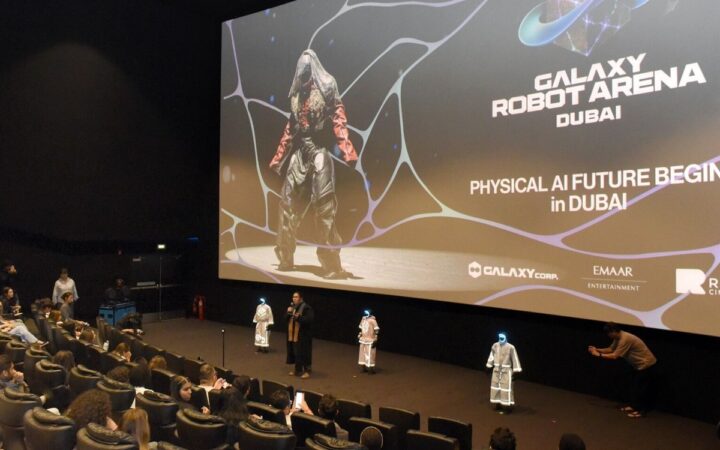
The mishap occurred at the October 22 World Physical AI Conference and Unitree Partner Ecosystem Summit, according to an October 25 Global Times report citing footage circulating online. The H2-X had been unveiled the previous day.
A Live Setback After the Guardian Reveal
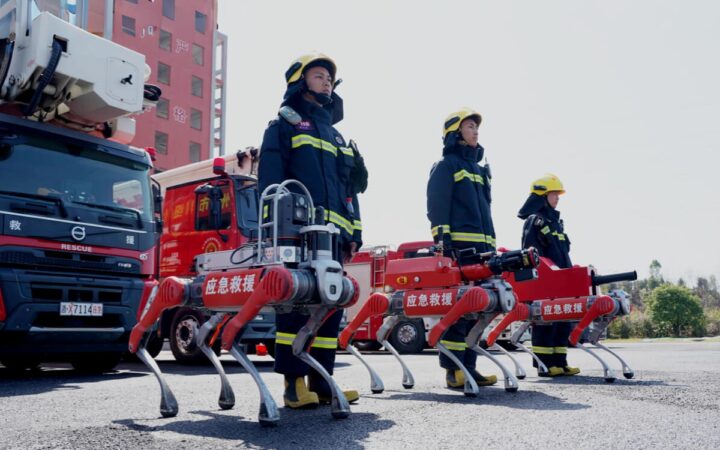
RobotsBeat covered the H2-X unveiling and its staged Guardian presentation, which emphasized martial-arts movements and rescue-themed scenes. The reported conference fall is a separate event from that promotional video.
A live demonstration offers less room to select only successful takes. That makes it useful evidence of how a particular routine performed on the day, although it does not by itself reveal how frequently the same system succeeds or fails.
Global Times said Unitree had not publicly explained the incident as of its October 25 publication and had not responded to the newspaper’s inquiry on Sunday. The report did not establish whether the failure originated in control software, a mechanical component or another factor.
Mixed Reactions Focus on Durability
The newspaper described divided responses on Weibo. Some users wanted stronger mechanical design and more extensive testing, while others viewed setbacks as an expected part of developing a robot that was not yet a mass-produced product.
Those comments capture reactions to the clip rather than a representative measure of public opinion. They also cannot substitute for an engineering investigation of the damaged machine.
For developers, an unsuccessful maneuver can provide useful information if the team can identify the failure sequence and reproduce the conditions. The relevant questions include what loads the structure experienced, how the controller responded and whether the robot could detect an unsafe situation before attempting the movement.
Reliability Is a Different Test From Agility
Unitree’s wider story now includes both ambitious demonstrations and rising expectations for AI-enabled work. Its recent stock rally reflected enthusiasm about stronger models expanding robot capabilities.
Neither a successful promotional routine nor one failed flip establishes readiness for an entire category of work. A useful assessment would look at repeated trials, clearly stated operating conditions, intervention rates and the consequences of a mistake.
That distinction is especially relevant to demanding physical tasks. Better planning software can expand the actions a robot attempts, while hardware strength and control reliability determine whether those actions can be carried out consistently.
The Hangzhou incident puts that practical challenge in view. A documented explanation from Unitree would provide more insight into the H2-X’s development than either dismissing the platform outright or assuming the fall has no engineering significance.
Disclaimer: RobotsBeat is an independent media brand owned and operated by NuvexMedia LLC, publishing news, research, and insights on artificial intelligence, emerging technologies, automation, and related industries. NuvexMedia LLC invests in and collaborates with companies across the AI, Robotics, technology, software, and digital innovation sectors. These relationships do not influence RobotsBeat's editorial coverage, and the publication maintains full editorial independence to provide accurate, timely, and objective information. © 2026 NuvexMedia LLC. All rights reserved. This content is for informational purposes only and should not be considered legal, tax, investment, financial, or other professional advice.