MWC 2026: HONOR Wins More than 70 Awards for AI Devices and Robotics
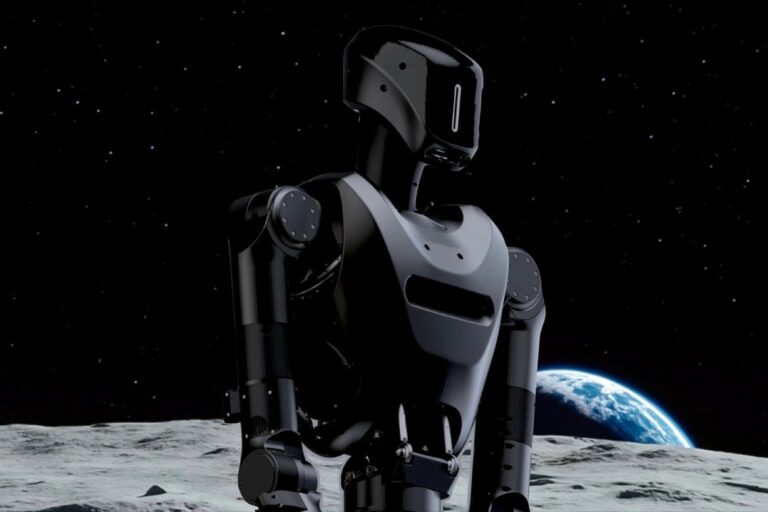
HONOR captured more than 70 media awards at Mobile World Congress 2026, highlighting its push into AI-powered devices, robotics concepts, and next-generation foldables.
Discover the key themes shaping today’s markets and technology landscape – from asset prices and economic shifts to corporate strategy, policy changes, and emerging innovations. This section brings together timely news, analysis, and insights across all major sectors, helping readers stay informed about the forces driving global finance and the future of tech.
HONOR captured more than 70 media awards at Mobile World Congress 2026, highlighting its push into AI-powered devices, robotics concepts, and next-generation foldables.
At MWC 2026, TCL introduced Tbot, a concept desktop robot designed to pair with children’s smartwatches, extending AI support from outdoor tracking to home routines.
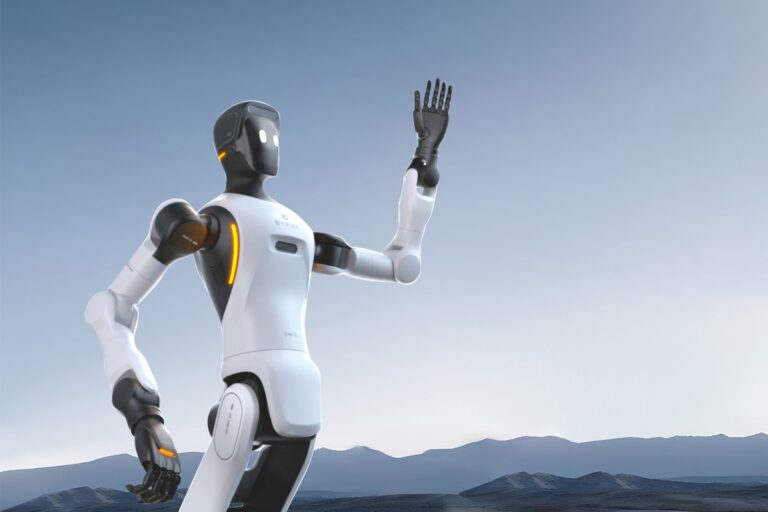
AGIBOT presented its X2 humanoid robot at MWC 2026, highlighting shipment leadership and a shift toward scenario-based, commercial-scale deployment.
Honor introduced a “Robot Phone” at MWC 2026 featuring a 200-megapixel AI tracking camera mounted on a miniature robotic gimbal arm designed for autonomous filming.
Harvard researchers have introduced a multimaterial 3D printing technique that enables soft robots to bend and morph in predictable ways, potentially simplifying fabrication for surgical and assistive applications.
Samsung Electronics has launched a new AI-powered robot vacuum in South Korea, aiming to regain market share from Chinese rivals that currently dominate more than 70 percent of the domestic segment.
Alibaba has unveiled RynnBrain, an artificial intelligence model designed to help robots understand and interact with the physical world, marking the company’s latest move into physical AI and embodied robotics.
China has launched the world’s first humanoid robot free combat league in Shenzhen, turning martial arts-style competition into a real-world testing ground for embodied AI and robotics.
Shenzhen-based Kinetix AI has unveiled KAI, a full-sized humanoid robot with 115 degrees of freedom, a 36-DoF dexterous hand, and a full-body tactile skin system with 18,000 sensors, targeting service and home assistance applications at a sub-$40,000 price point.
Unitree’s H1 robot has recorded a peak sprint speed of 10 meters per second on an athletics track, approaching Usain Bolt’s average race speed of 10.44 meters per second, as Chinese manufacturers push bipedal locomotion toward the limits of human athletic performance.
Pudu Robotics has closed a funding round of nearly USD 150 million, pushing its valuation past USD 1.5 billion and bringing cumulative funding to over USD 300 million, as the Shenzhen-based company targets embodied AI expansion and global market growth.
Accenture, SAP, and Vodafone Procure & Connect have completed a humanoid robotics pilot at a warehouse in Duisburg, Germany, where robots autonomously conducted visual inspections and reported findings directly into SAP’s warehouse management system.
Tesla has raised its 2026 capital expenditure target to over $25 billion, up from a January forecast of more than $20 billion, as CEO Elon Musk accelerates investment in AI infrastructure, self-driving technology, and humanoid robotics.
Xpeng president Brian Gu told Reuters the Chinese EV maker will begin mass production of its flying car in 2027 and plans to bring humanoid robots to market by the final quarter of 2026, adding to an expanding portfolio that includes robotaxis and EV partnerships.
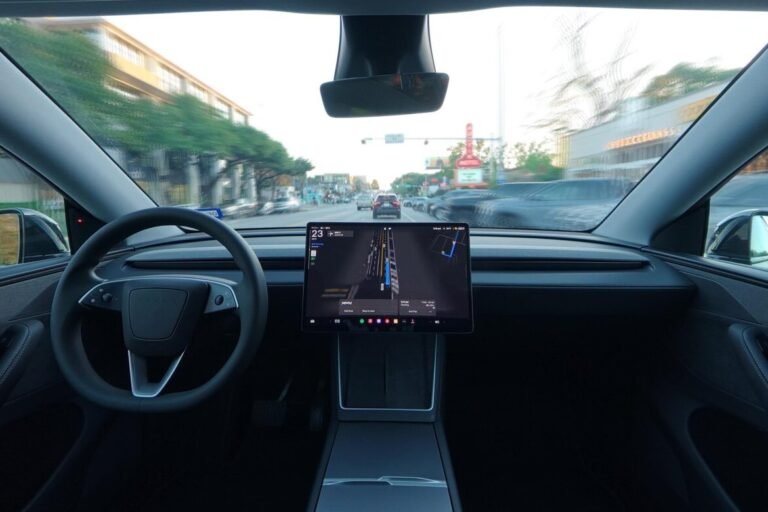
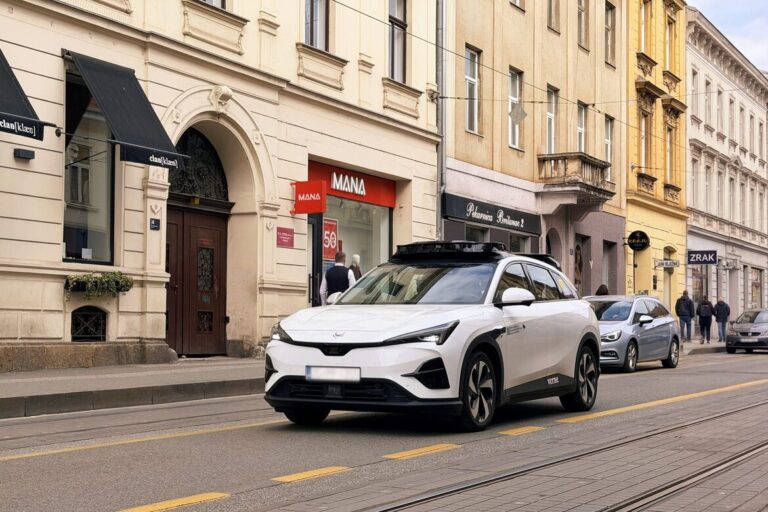
Tesla has launched its driverless robotaxi service in Dallas and Houston, extending a program that began in Austin and marking the company’s most significant autonomous ride-hailing expansion to date.
Elon Musk has unveiled Terafab, a massive semiconductor facility planned near Austin, Texas, designed to produce custom AI chips for Tesla vehicles, Optimus robots, SpaceX satellites, and xAI models.
Zoox is expanding testing of its autonomous driving system to Phoenix and Dallas while preparing to deploy its purpose-built robotaxi and integrate its service with the Uber platform.
Waymo has secured $16 billion in new funding to expand its autonomous ride-hailing service, accelerate fleet deployment, and support international launches in Europe and Asia.
Kodiak has entered a strategic agreement with Bosch to scale production-grade autonomous trucking hardware, aiming to accelerate commercial deployment of driverless trucks.
Elon Musk said Tesla will delay the Optimus V3 unveil until closer to its production date, targeting a July-August window, citing concerns that competitors are conducting frame-by-frame analysis of Tesla’s robotics demonstrations to replicate the technology.
Tesla has raised its 2026 capital expenditure target to over $25 billion, up from a January forecast of more than $20 billion, as CEO Elon Musk accelerates investment in AI infrastructure, self-driving technology, and humanoid robotics.
Xpeng president Brian Gu told Reuters the Chinese EV maker will begin mass production of its flying car in 2027 and plans to bring humanoid robots to market by the final quarter of 2026, adding to an expanding portfolio that includes robotaxis and EV partnerships.
Tesla has launched its driverless robotaxi service in Dallas and Houston, extending a program that began in Austin and marking the company’s most significant autonomous ride-hailing expansion to date.
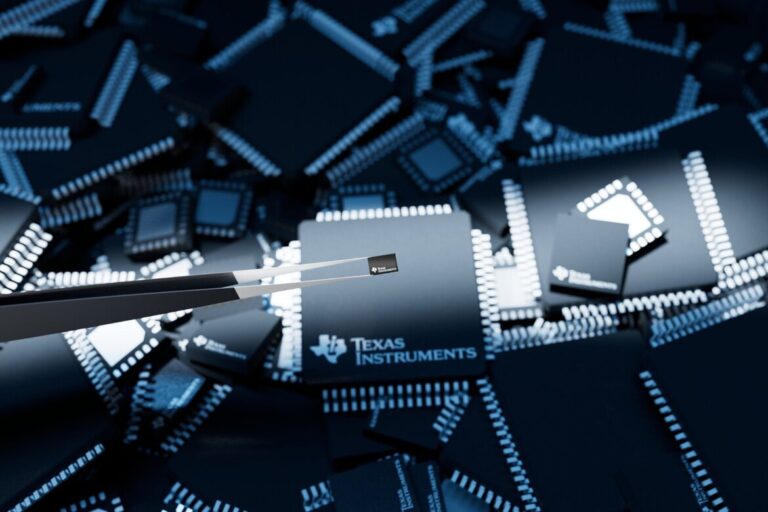
Texas Instruments reported first-quarter revenue of $4.83 billion, up 19% year-over-year, driven by 90% growth in its data center segment and 30% growth in industrial, sending shares to their best single-day gain since 2000.
At Hannover Messe 2026, German manufacturers and startups showcased AI-powered robots for industrial applications, with Chancellor Friedrich Merz backing wider AI adoption as Germany seeks to close the gap with China and the U.S. in physical AI.
Agibot used its annual partner conference to declare 2026 the first year of large-scale commercial deployment for embodied AI, unveiling five new robotic platforms, eight AI models, and an open-source development architecture called AIMA.
NVIDIA and more than a dozen industrial partners used Hannover Messe 2026 to demonstrate AI-driven manufacturing systems already operating in live production environments, from humanoid robots in electronics factories to vision AI agents on automotive assembly lines.
Texas Instruments reported first-quarter revenue of $4.83 billion, up 19% year-over-year, driven by 90% growth in its data center segment and 30% growth in industrial, sending shares to their best single-day gain since 2000.
Tesla has raised its 2026 capital expenditure target to over $25 billion, up from a January forecast of more than $20 billion, as CEO Elon Musk accelerates investment in AI infrastructure, self-driving technology, and humanoid robotics.
Elon Musk has unveiled Terafab, a massive semiconductor facility planned near Austin, Texas, designed to produce custom AI chips for Tesla vehicles, Optimus robots, SpaceX satellites, and xAI models.
Foxconn is expanding its robotics strategy as demand for AI infrastructure surges. The company is working with partners including Skild AI, ABB, and NVIDIA to deploy intelligent robots in electronics assembly.
Researchers have developed a flexible sensor that allows robots to detect gentle touch with high precision, marking a step toward safer human-machine interaction.
LimX Dynamics has introduced its new humanoid robot Luna at a consumer-facing event, signaling a shift from industrial robotics toward public interaction and lifestyle applications.
MegazoneCloud and Japan’s AVITA are partnering to integrate AI avatars with autonomous robots, aiming to bring conversational physical AI systems into real-world industries.
MIT researchers have developed an ultrasound wristband that translates muscle activity into real-time control signals for robotic hands, potentially advancing dexterity in humanoid robotics.
Gecko Robotics has secured its largest U.S. Navy contract to deploy inspection robots that build digital twins of naval vessels. The systems aim to reduce costly maintenance delays and improve fleet readiness.
ABB Robotics is integrating NVIDIA Omniverse simulation technology into its RobotStudio platform to train factory robots using synthetic data and digital twins, aiming to close the long-standing gap between virtual training and real-world deployment.
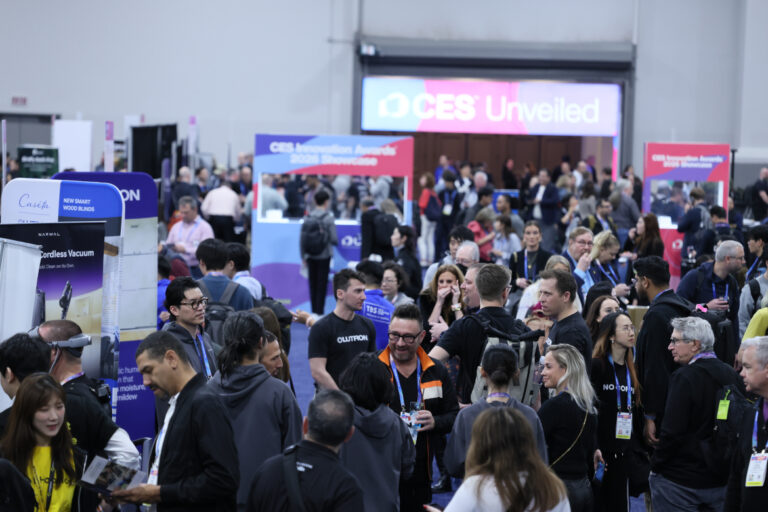
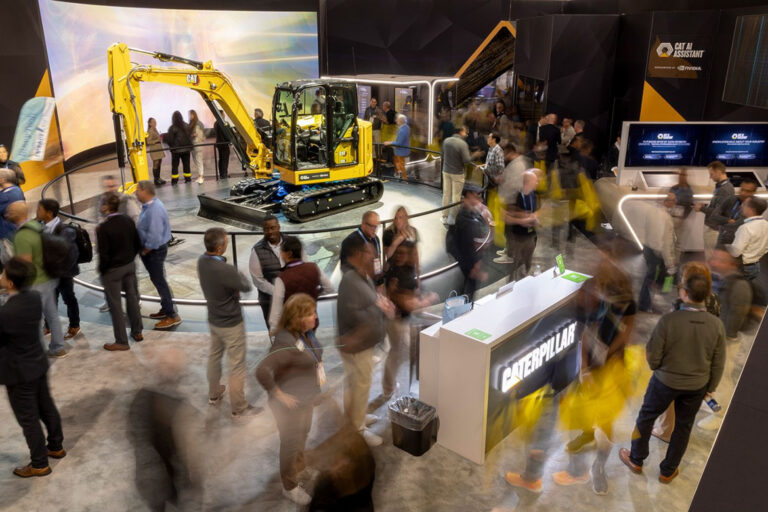
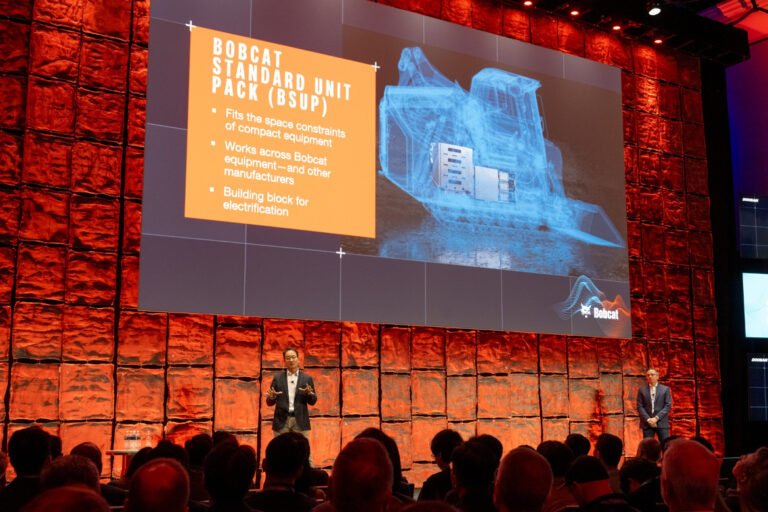
Caterpillar and NVIDIA deepened their partnership at CES 2026, outlining how Physical AI will transform construction, mining, manufacturing, and industrial supply chains.
London-based startup Humanoid moved from concept to a functional alpha prototype of its HMND 01 robot in seven months, compressing a development cycle that typically takes up to two years.
Stuttgart-based AI robotics software company Sereact has raised $110 million in a Series B led by Headline, with customers including BMW and Daimler Truck already running its vision-language-action models in live production environments.
Google has introduced a new AI model that improves how robots understand, plan, and act in real-world environments, marking progress in embodied reasoning.
Oxford spinout Stateful Robotics has raised $4.8 million to develop an AI platform designed to give robots memory and long-horizon planning capabilities for real-world industrial deployments.
Chinese robotics developers are integrating the OpenClaw AI agent into humanoids, robotic arms, and home robots, signaling an early push to bring autonomous AI agents into physical machines.
Siemens, NVIDIA and Humanoid have tested a humanoid robot in a live factory environment, signaling progress toward industrial-scale physical AI deployment.
BMW has overhauled its Munich plant with an AI-driven production system and thousands of robots, signaling a shift toward software-defined manufacturing for electric vehicles.
Samsung Electronics plans to convert its global manufacturing network into AI driven factories by 2030, integrating agentic AI, robotics, and digital twins across production.
Caterpillar and NVIDIA deepened their partnership at CES 2026, outlining how Physical AI will transform construction, mining, manufacturing, and industrial supply chains.
Mobileye agreed to acquire humanoid robotics startup Mentee Robotics for $900 million, expanding its autonomy technology from vehicles into Physical AI and general-purpose humanoid robots.
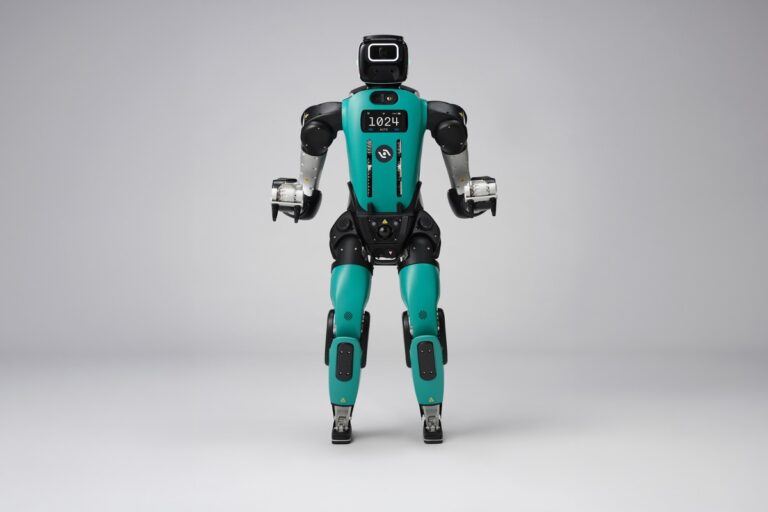
Mercado Libre has entered a commercial agreement with Agility Robotics to deploy Digit humanoid robots in its logistics operations, starting with a pilot facility in Texas.
Researchers at Georgia Tech have developed a robot pollinator that uses computer vision and 3D modeling to automate flower pollination in indoor farms.
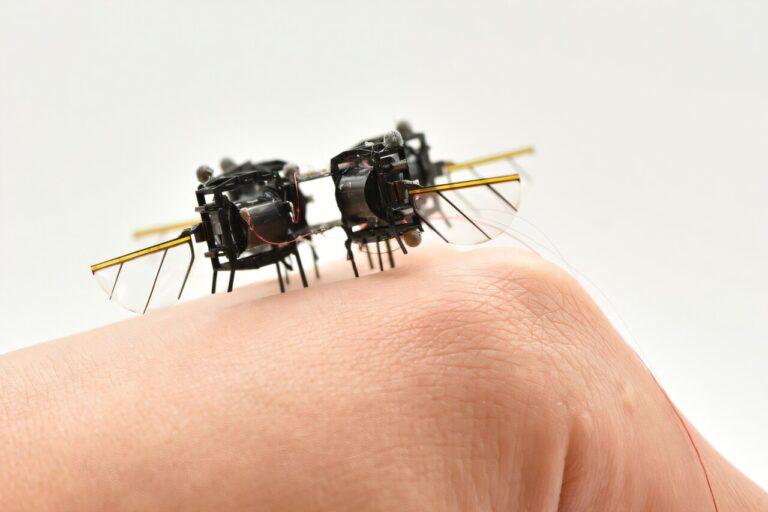
MIT engineers developed an AI-controlled aerial microrobot capable of flying with speed and agility comparable to insects, marking a major advance in micro-scale robotics.
Texas Instruments reported first-quarter revenue of $4.83 billion, up 19% year-over-year, driven by 90% growth in its data center segment and 30% growth in industrial, sending shares to their best single-day gain since 2000.
DEEPX and Hyundai Motor Group’s Robotics LAB have announced a strategic collaboration to co-develop an ultra-low-power AI computing platform capable of running large-scale generative AI models on-device within robotic systems.
Qualcomm CEO Cristiano Amon says robotics will become a major revenue stream by 2028, as the company positions its Dragonwing chip at the center of the physical AI market.
Asus is winding down new smartphone development as it redirects resources toward AI computing, robotics, and physical AI systems for industrial and enterprise markets.
Foundation Future Industries has secured a $24 million Pentagon contract to test its Phantom humanoid robot for military breach and combat support applications, as the U.S. defense establishment accelerates investment in ground-based autonomous systems.
Oxford spinout Stateful Robotics has raised $4.8 million to develop an AI platform designed to give robots memory and long-horizon planning capabilities for real-world industrial deployments.
Draganfly and Palladyne AI have completed a key integration milestone combining SwarmOS autonomy software with mission-ready drone hardware, advancing distributed drone swarm capabilities for defense applications.
Researchers at Northwestern University have developed modular “legged metamachines” that can flip, jump, and continue operating even after being split into pieces, offering a new approach to resilient robotics.
Caterpillar and NVIDIA deepened their partnership at CES 2026, outlining how Physical AI will transform construction, mining, manufacturing, and industrial supply chains.
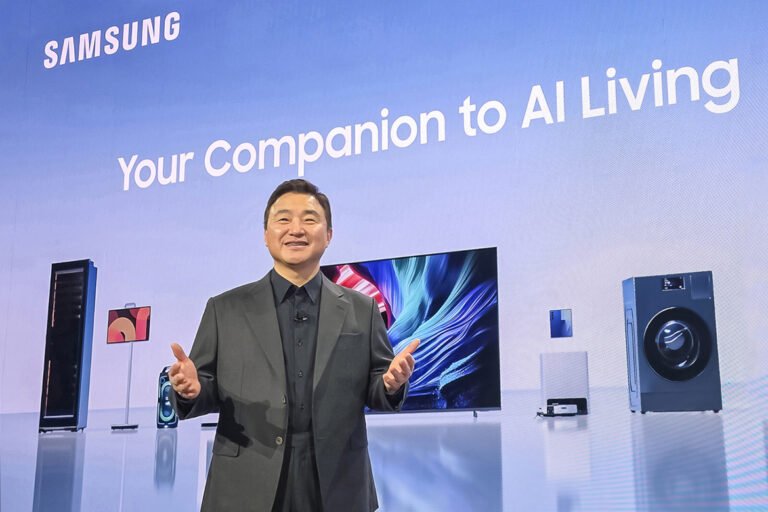
Samsung unveiled its “Companion to AI Living” vision at CES 2026, outlining how AI will connect entertainment, home appliances, health, and services into a unified ecosystem.
LG Electronics has confirmed it is in discussions with Nvidia on potential cooperation spanning robotics, AI data center infrastructure, and mobility technologies, as both companies deepen their positions in physical AI.
Shenzhen-based Kinetix AI has unveiled KAI, a full-sized humanoid robot with 115 degrees of freedom, a 36-DoF dexterous hand, and a full-body tactile skin system with 18,000 sensors, targeting service and home assistance applications at a sub-$40,000 price point.
Unitree’s H1 robot has recorded a peak sprint speed of 10 meters per second on an athletics track, approaching Usain Bolt’s average race speed of 10.44 meters per second, as Chinese manufacturers push bipedal locomotion toward the limits of human athletic performance.
AtkinsRéalis and the University of Oxford’s Oxford Robotics Institute have formed a partnership to commercialize autonomous inspection and manipulation robots for nuclear decommissioning and energy sector applications, building on deployments already active at Sellafield.
Skild AI raised nearly $1.4 billion in a funding round led by SoftBank, valuing the robotics AI company at more than $14 billion as it scales a unified foundation model for robots.
London-based startup Humanoid moved from concept to a functional alpha prototype of its HMND 01 robot in seven months, compressing a development cycle that typically takes up to two years.
Mobileye agreed to acquire humanoid robotics startup Mentee Robotics for $900 million, expanding its autonomy technology from vehicles into Physical AI and general-purpose humanoid robots.
Qualcomm introduced a comprehensive robotics technology stack at CES 2026, unveiling new processors and partnerships aimed at scaling Physical AI from service robots to full-size humanoids.