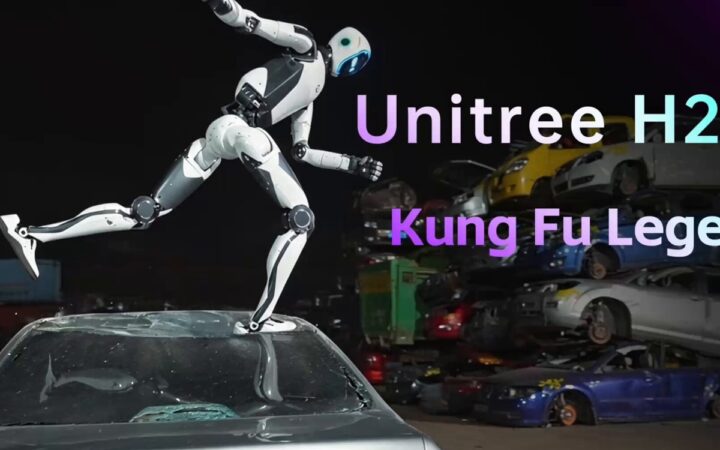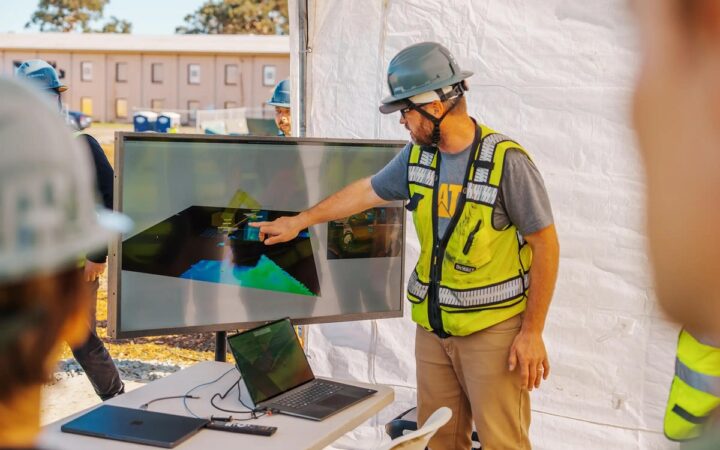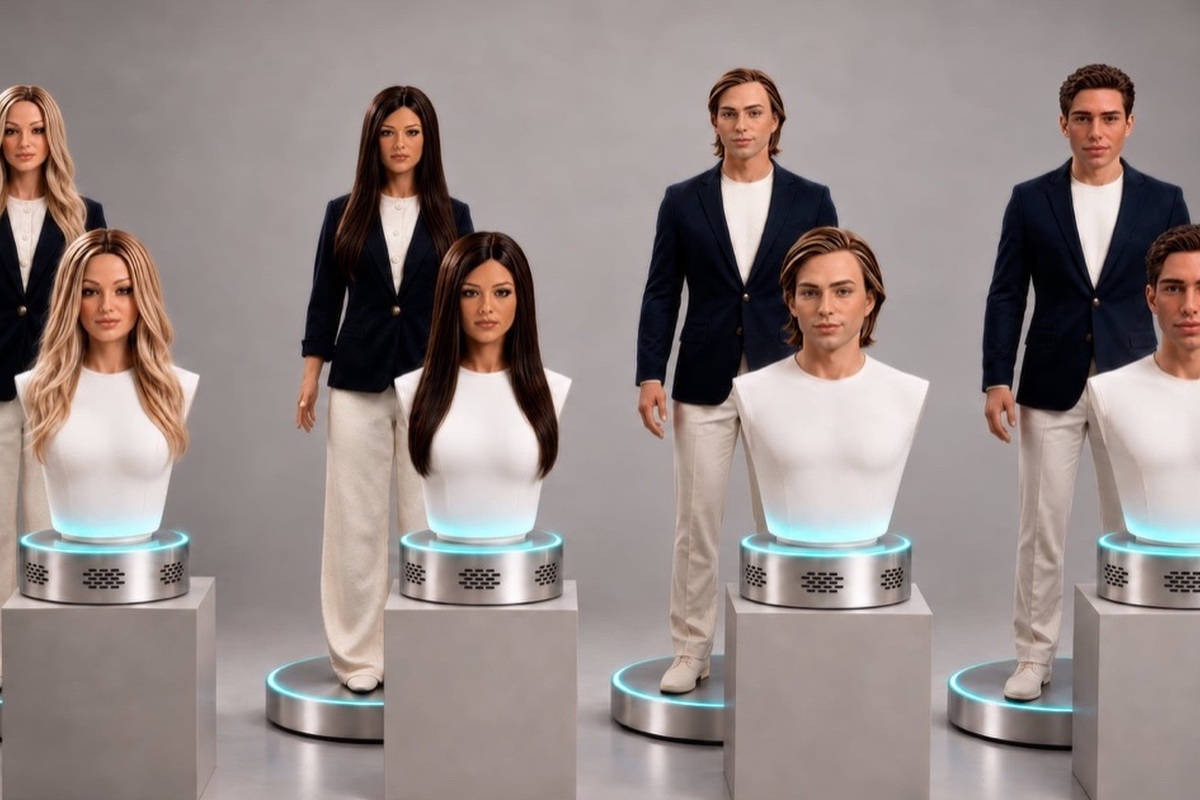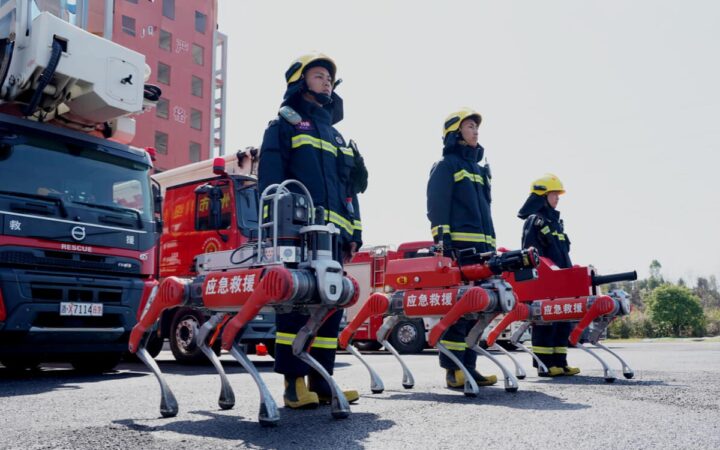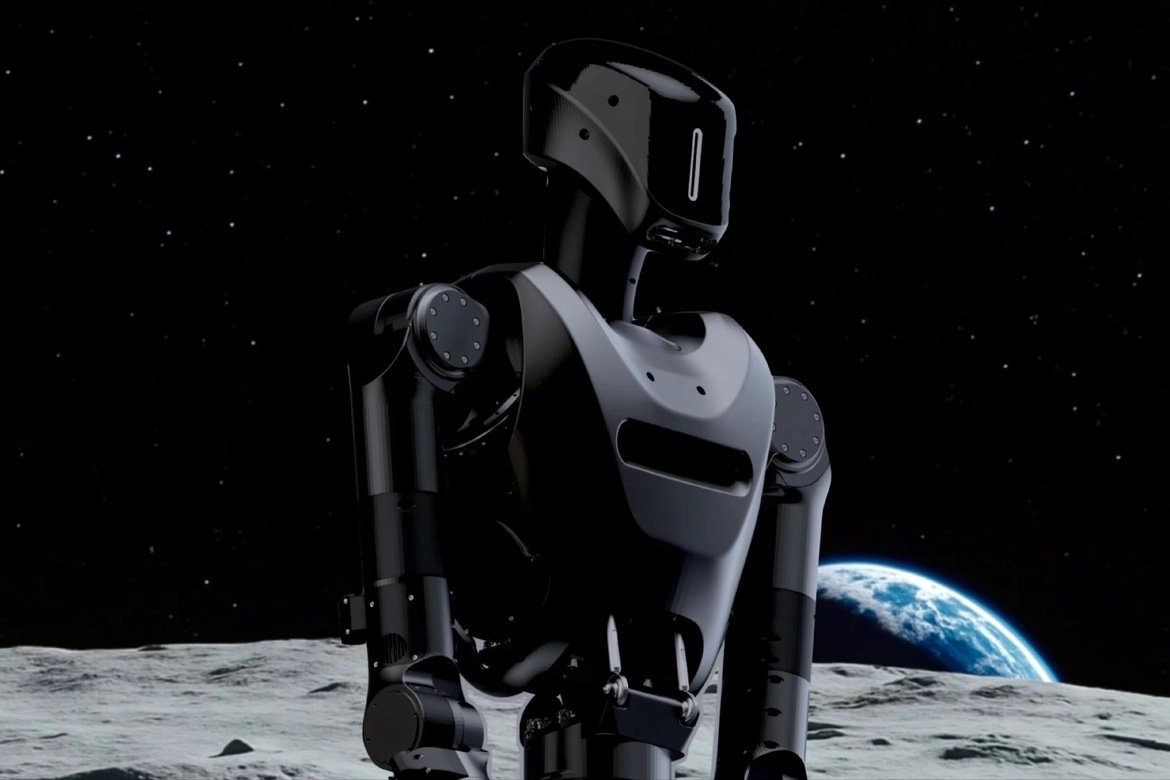
Foundation Future Industries has been awarded a $24 million contract by the Pentagon to test its Phantom humanoid robot for military applications. The contract positions the startup as one of a small number of companies receiving direct U.S. Department of Defense funding to develop ground-based humanoid systems, a segment the Pentagon has identified as a competitive priority relative to China’s advances in land autonomy.
The Phantom robot is designed for breach operations – entering and clearing enemy sites in scenarios where sending human soldiers carries significant casualty risk. CEO Sankaet Pathak said the contract is aimed at strengthening U.S. readiness in ground-based autonomous systems, an area where he described China as making meaningful progress alongside its established strength in air-based autonomy.
Hardware Specifications and Development Roadmap
The current Phantom model weighs 176 pounds and moves at 1.7 meters per second. According to the company’s website, the latest version has been engineered to eliminate what it describes as the “robotic” quality of movement, enabling the system to operate more naturally in human-scale environments – a design priority shared across both military and commercial humanoid development.
Pathak indicated that a successor model, Phantom 2, is in development and described it as the strongest humanoid robot built anywhere in the world, including China – a claim the company expects to substantiate with a product announcement in the coming months. Beyond defense, Foundation Future Industries is targeting applications in construction and disaster relief, sectors where the physical demands and environmental conditions align with the robot’s design parameters.
Defense Robotics and the U.S.-China Competition
The contract reflects a broader acceleration in Pentagon investment in physical AI and autonomous ground systems. Chinese robotics manufacturers have demonstrated significant capability advances in humanoid platforms over the past two years, including industrial deployments at scale and public demonstrations of locomotion performance. U.S. defense procurement for ground-based humanoid systems has lagged the pace of investment in aerial autonomy, and contracts like the one awarded to Foundation Future Industries represent an effort to close that gap.
Eric Trump, who serves as chief strategy advisor to the company and has invested in it, framed the program explicitly in competitive terms during a media appearance this week. “We are America First. We have to win this race,” he said.
The $24 million figure covers testing rather than full production procurement, meaning the contract is an evaluation phase rather than a commitment to large-scale deployment. How the Phantom performs against the Pentagon’s testing criteria will determine whether the program advances to further development funding or operational contracts.
Disclaimer: RobotsBeat is an independent media brand owned and operated by NuvexMedia LLC, publishing news, research, and insights on artificial intelligence, emerging technologies, automation, and related industries. NuvexMedia LLC invests in and collaborates with companies across the AI, Robotics, technology, software, and digital innovation sectors. These relationships do not influence RobotsBeat's editorial coverage, and the publication maintains full editorial independence to provide accurate, timely, and objective information. © 2026 NuvexMedia LLC. All rights reserved. This content is for informational purposes only and should not be considered legal, tax, investment, financial, or other professional advice.