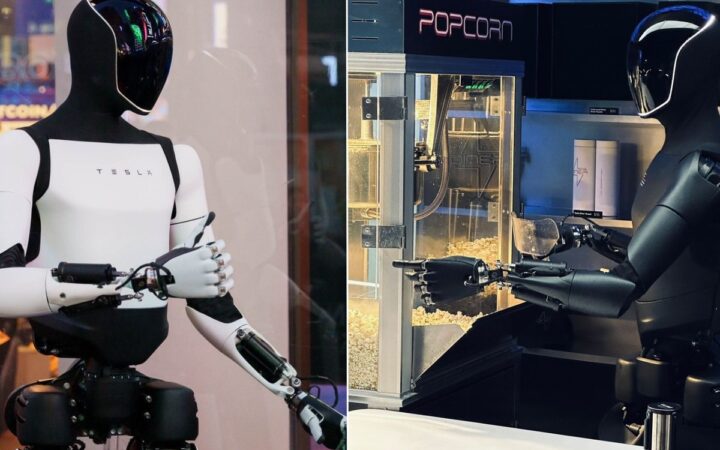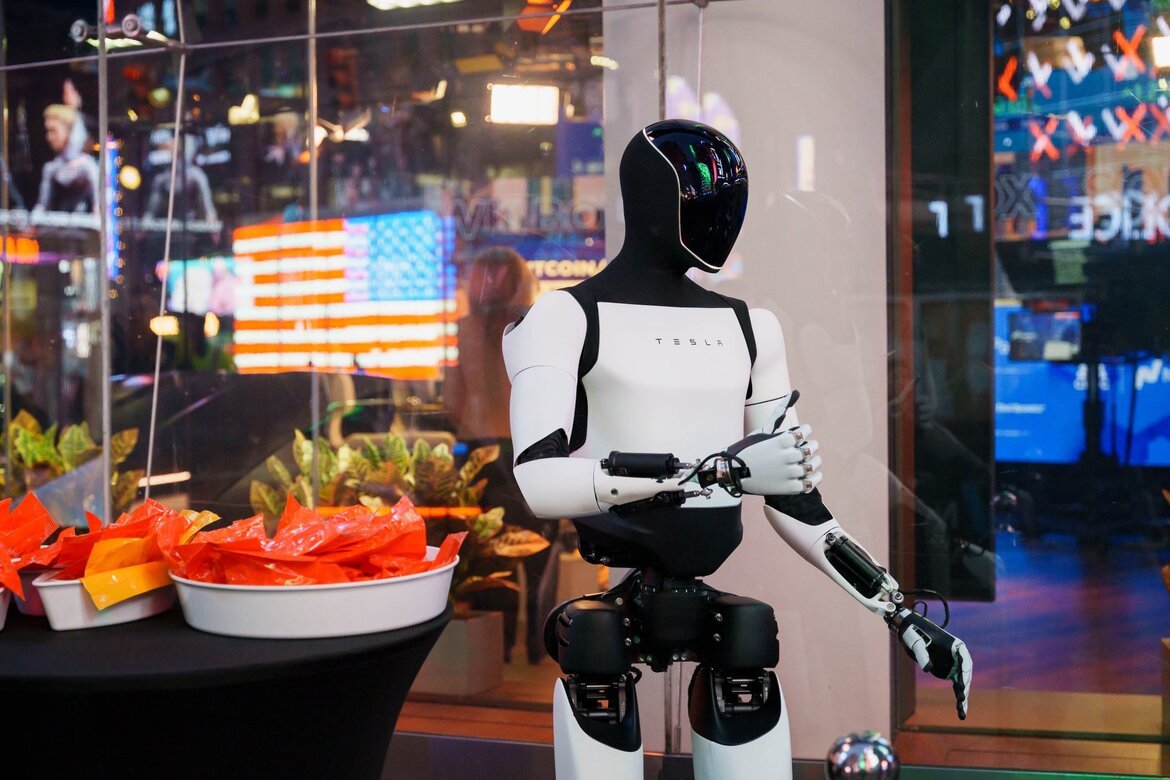
Tesla CEO Elon Musk said on the company’s Q1 2026 earnings call that Tesla intends to unveil Optimus V3 closer to the robot’s production start date, targeting a July-August window. The decision represents a change in the company’s approach to product demonstrations, driven by concerns that competitors are replicating Tesla’s robotics technology through detailed analysis of publicly shared footage.
“We’ve found out our competitors literally do a frame-by-frame analysis and copy everything we’re doing,” Musk said. “I think there’s some value to not showing new technology until it’s close to production.”
A New Production Line
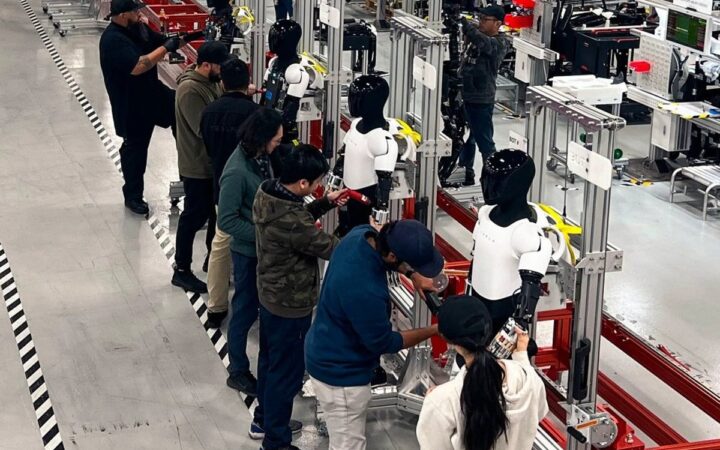
Musk noted that the Optimus production line has been rebuilt from scratch. The facility previously used to manufacture the Model S and Model X was repurposed, but Optimus required a fundamentally different manufacturing approach. “Optimus is a completely new product with a completely new production line,” he said.
The decision to consolidate the unveil and production timelines reflects a broader shift in how Tesla is managing its robotics program competitively. Earlier Optimus demonstrations were staged at significant lead times before any production capability existed, a practice that gave competitors extended observation windows. Moving the reveal closer to the production start compresses that window while also allowing Tesla to demonstrate a robot that more accurately reflects what will reach customers.
Investor Concerns and the Autonomy Question
The Optimus update came alongside earnings results that beat market expectations on revenue and free cash flow. However, investor sentiment on Tesla’s longer-term autonomy programs remained mixed. Investor Gary Black of The Future Fund said he expects Tesla’s valuation to come under pressure due to what he described as a slowdown in autonomous vehicle and robotaxi development timelines.
Investor Ross Gerber of Gerber Kawasaki raised a separate concern after Musk acknowledged that vehicles equipped with the Hardware 3 chip would not be capable of achieving unsupervised Full Self-Driving. The admission has implications for owners of older Tesla vehicles who purchased the FSD software option under the expectation that future software updates would eventually enable full autonomy on their hardware.
On the vehicle sales side, Tesla delivered 31,958 units in California in Q1 2026, a decline of more than 10,000 units from the 42,000 delivered in the same quarter of 2025. The Model Y remained the best-selling electric vehicle in the state despite the overall volume decline.
Competitive Context
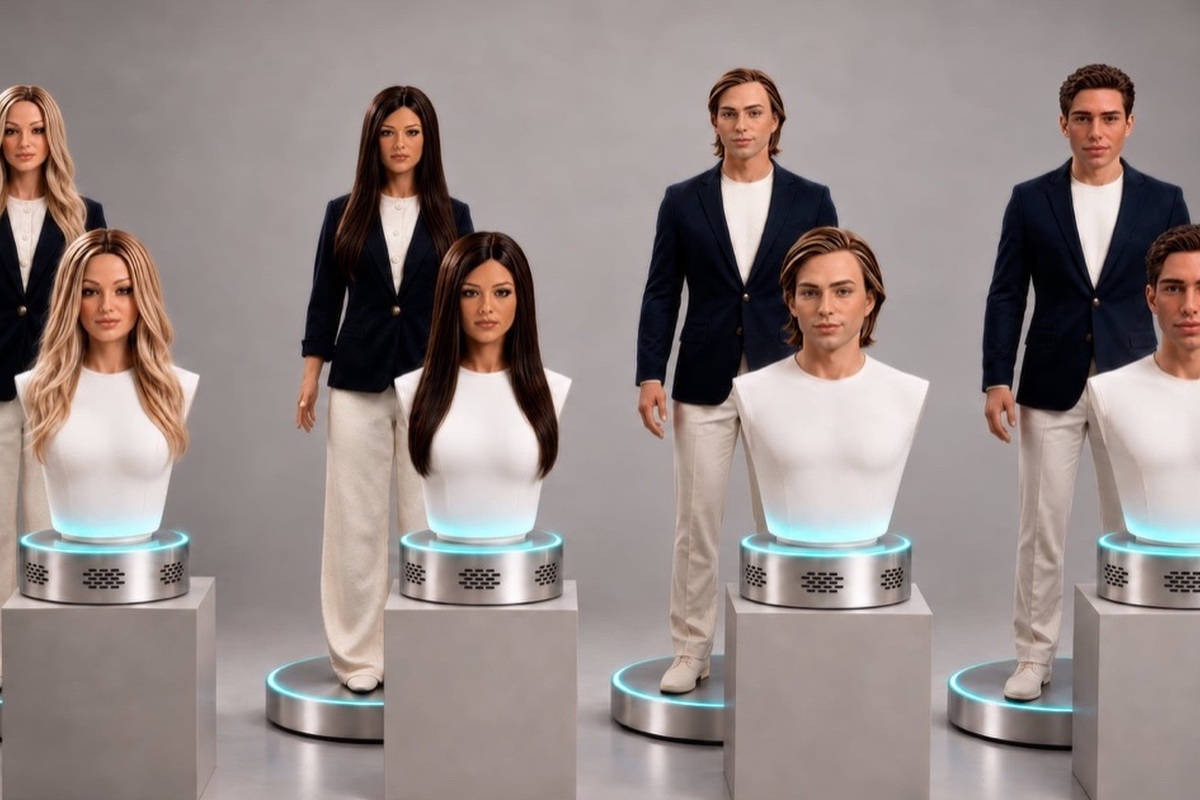
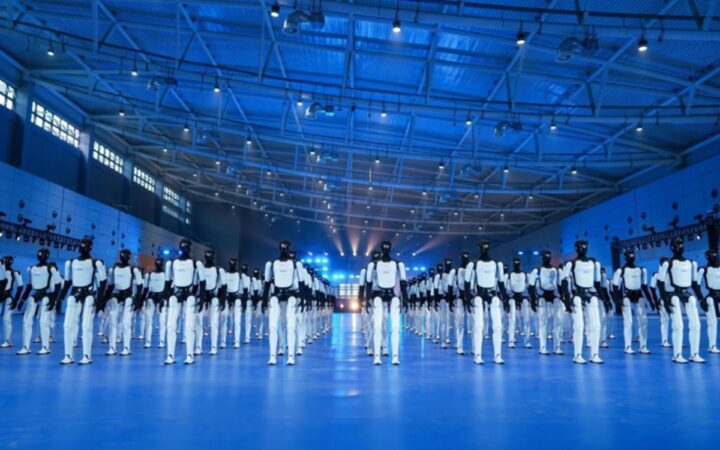
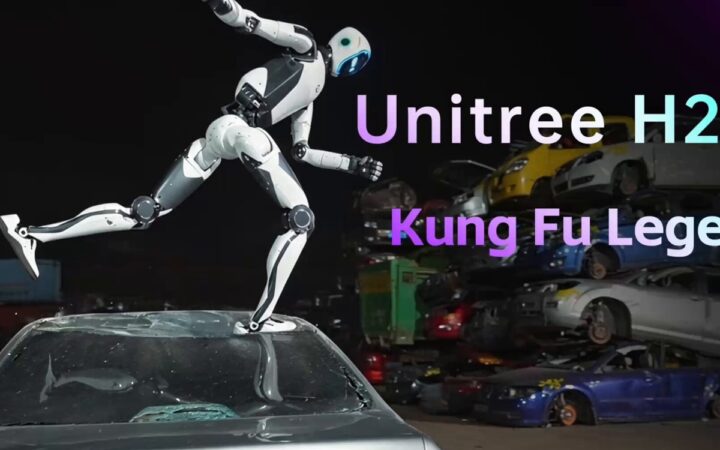
The frame-by-frame copying accusation reflects the intensity of competition in the humanoid robot segment, where Chinese manufacturers in particular have made significant hardware and software advances over the past two years. Tesla has been among the most public in demonstrating Optimus capabilities, and Musk’s comments suggest the company now views that openness as a competitive liability. The July-August production timeline, if met, would make Optimus V3 one of the earlier next-generation humanoid platforms to enter volume production anywhere in the industry.
Disclaimer: RobotsBeat is an independent media brand owned and operated by NuvexMedia LLC, publishing news, research, and insights on artificial intelligence, emerging technologies, automation, and related industries. NuvexMedia LLC invests in and collaborates with companies across the AI, Robotics, technology, software, and digital innovation sectors. These relationships do not influence RobotsBeat's editorial coverage, and the publication maintains full editorial independence to provide accurate, timely, and objective information. © 2026 NuvexMedia LLC. All rights reserved. This content is for informational purposes only and should not be considered legal, tax, investment, financial, or other professional advice.