
Key Notes
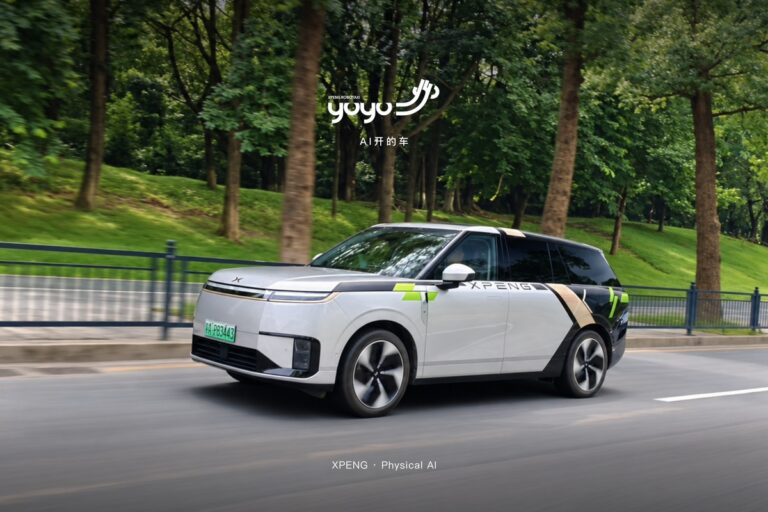
- XPENG has introduced YOYO as its robotaxi brand and opened invitation-code registration in China, expanding access beyond employee testing as it prepares the service for outside users.
- President Brian Gu told CNA that overseas robotaxi trials are planned for selected cities in 2027, although the company has not disclosed the international test locations.
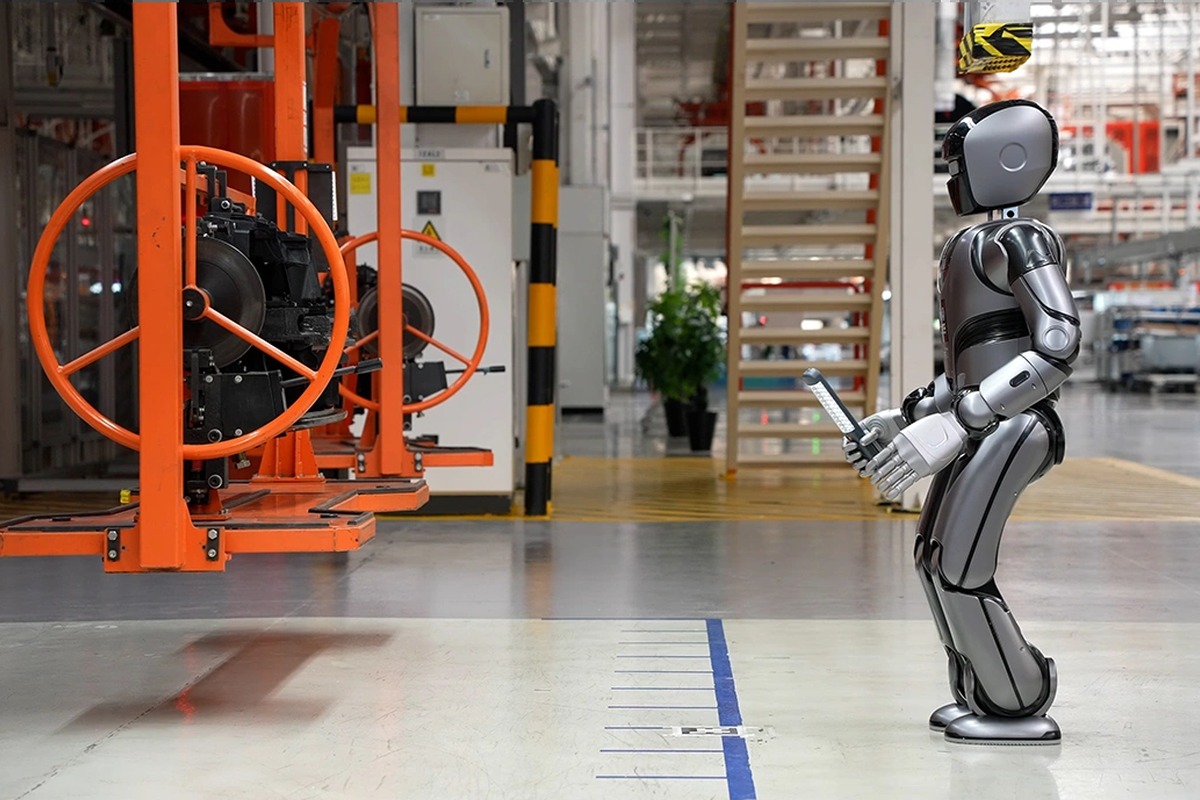
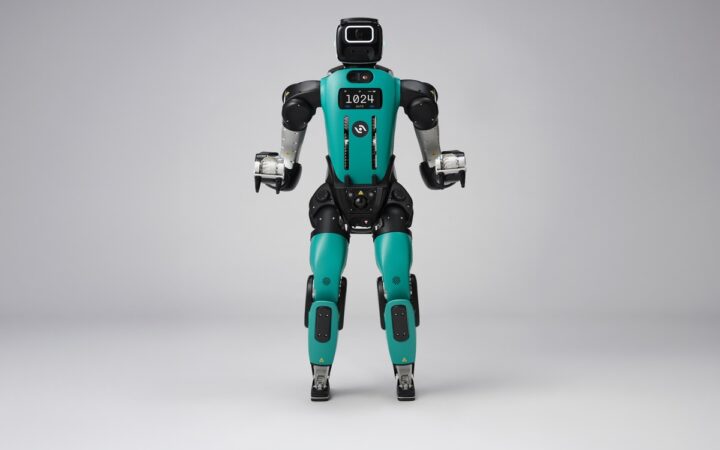
- IRON will initially greet visitors, explain products and answer questions in XPeng’s own stores and offices, with sales to external customers targeted for the second half of 2027.
XPENG has named its robotaxi brand XPENG YOYO and opened invitation-code registration to users in China. The company announced the brand on October 8 as it expands access beyond employee testing.
The next step could take YOYO overseas. Vice-chairman and president Brian Gu told CNA in an October 9 interview that XPeng plans robotaxi trials in selected international cities in 2027, alongside sales of its IRON humanoid robot to external customers in the second half of that year. The overseas test locations were not disclosed.
XPENG YOYO Moves Beyond Employee Testing
XPeng says its robotaxi entered production in May, completed its booking-to-drop-off workflow in July and gained Guangzhou remote-testing permission in August. That permission covers designated roads without a safety operator in the driver’s seat; it does not amount to unrestricted commercial approval.
The company says YOYO uses four Turing chips delivering 3,000 TOPS and its VLA 2.0 model, with a vision-based approach that does not require LiDAR or high-definition maps.
IRON Starts With Customer-Facing Work
Gu said XPeng is preparing to increase IRON production from early 2027. Initial roles would include greeting visitors, explaining products and answering questions. Offering the robot to outside customers would follow in the second half of the year.
XPeng’s IRON platform combines three Turing chips with models for perception, decision-making and whole-body control. Its promotional demonstrations cover walking and service tasks, but demonstrations alone do not establish sustained reliability in a busy shop.
The rollout builds on the company’s Guangzhou factory project and the production targets previously covered by RobotsBeat. Those earlier capacity ambitions remain distinct from confirmed monthly output or customer deliveries.
Automotive Technology Funds a Wider Robotics Push
In its August 24 financing announcement, XPeng said its robotics business had signed share-purchase agreements to raise more than $900 million at a valuation exceeding $6.3 billion. IDG Capital led the round, with Tencent and Alibaba participating as strategic investors.
That announcement targeted initial mass production by the end of 2026, followed by deployment at XPeng stores and campuses and deliveries in China and overseas during 2027. The funding is intended to support robot hardware, AI-model development, manufacturing facilities and commercial expansion.
Gu’s interview adds a more specific external-customer window for IRON and an overseas testing goal for robotaxis. For both programmes, the next milestones are operational: where the machines will be deployed, what work they can perform consistently and how the planned expansion translates into commercial service.
Disclaimer: RobotsBeat is an independent media brand owned and operated by NuvexMedia LLC, publishing news, research, and insights on artificial intelligence, emerging technologies, automation, and related industries. NuvexMedia LLC invests in and collaborates with companies across the AI, Robotics, technology, software, and digital innovation sectors. These relationships do not influence RobotsBeat's editorial coverage, and the publication maintains full editorial independence to provide accurate, timely, and objective information. © 2026 NuvexMedia LLC. All rights reserved. This content is for informational purposes only and should not be considered legal, tax, investment, financial, or other professional advice.