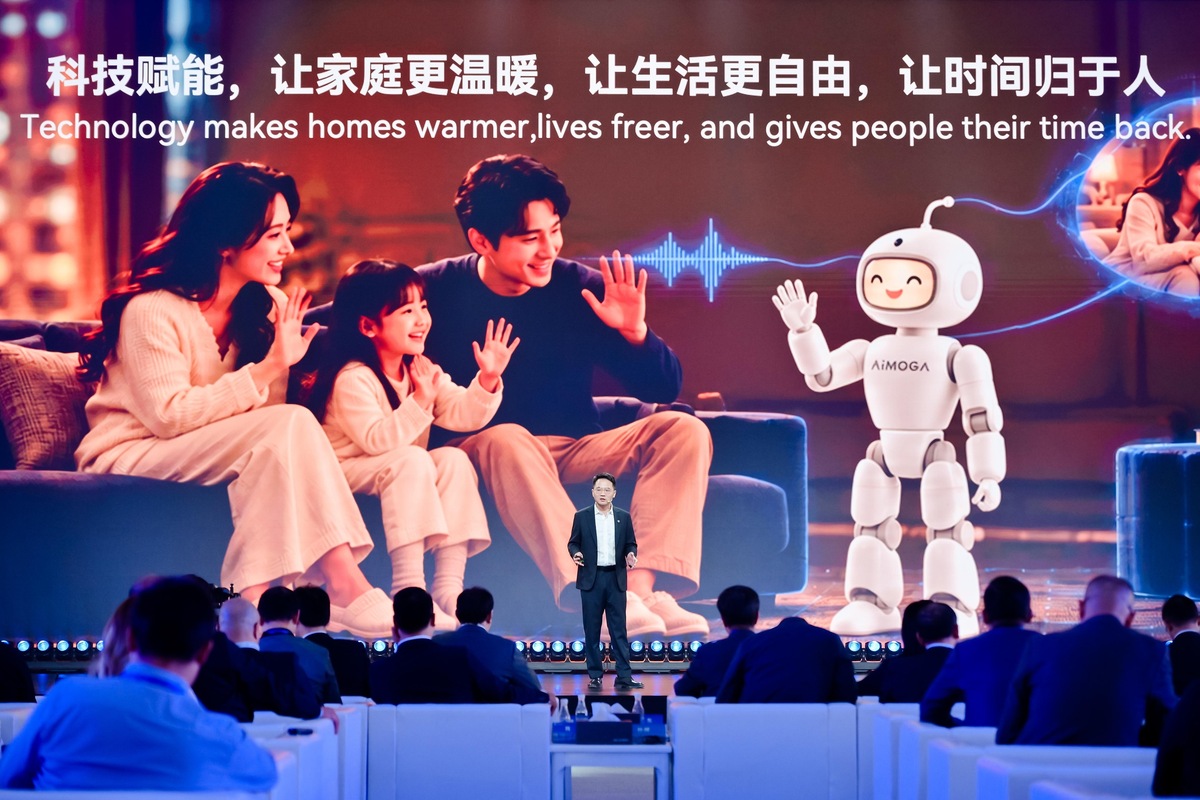
Xpeng is targeting monthly production capacity of more than 1,000 IRON humanoid robots by the end of 2026, according to people familiar with the matter cited by the Wall Street Journal, as the Chinese electric vehicle maker accelerates its physical AI push ahead of a planned global rollout in 2027. The company intends to deploy IRON robots as sales assistants at its China showrooms in the first quarter of 2027, with expansion to overseas stores later that year.
The production target is supported by a dedicated manufacturing facility under construction in Guangzhou covering approximately 110,000 square meters, spanning R&D validation, small-batch trial production, and scaled manufacturing. Construction began in Q1 2026.
The IRON Platform
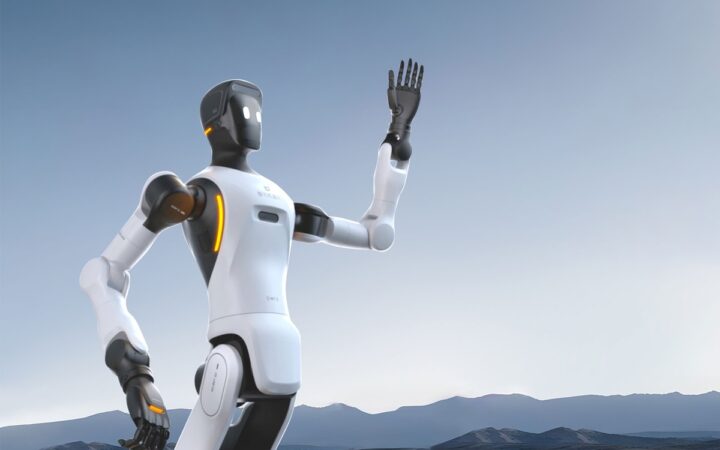
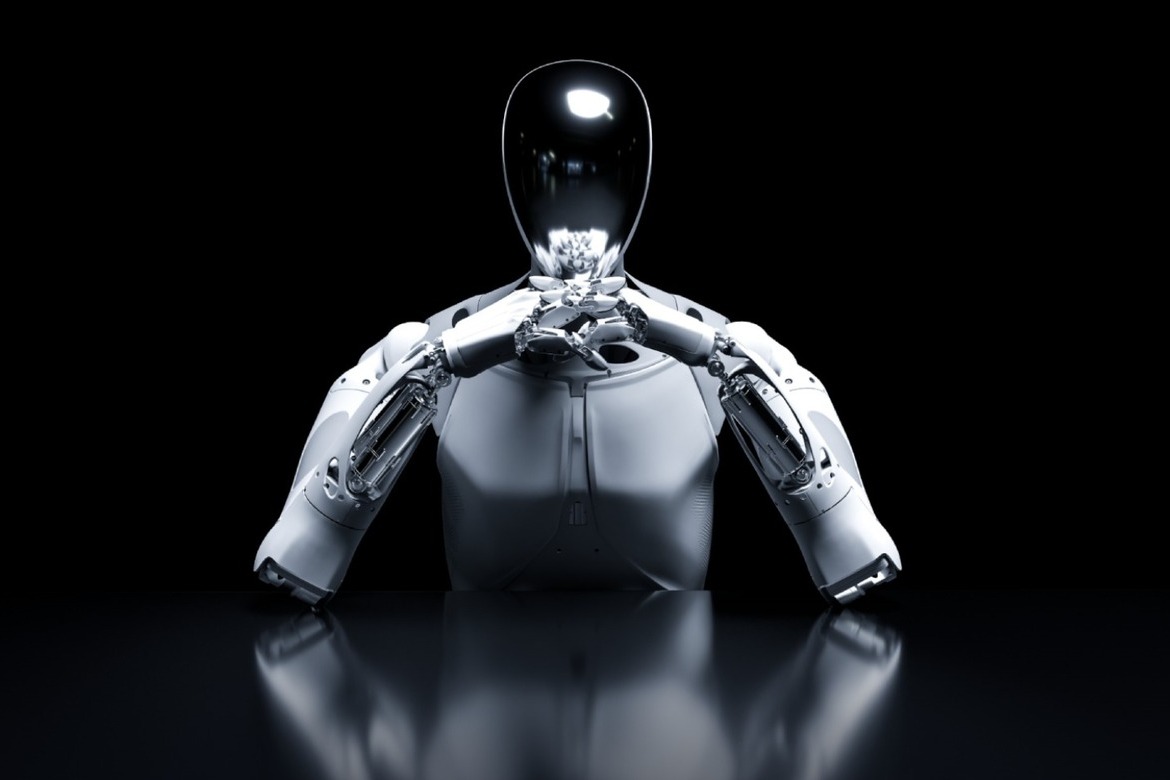
The IRON robot runs on three Turing AI chips – the same chip family used in Xpeng’s vehicles – and integrates the company’s VLA 2.0 technology stack alongside a fourth-generation motion control system. The hardware gives IRON significantly higher edge compute capacity than the industry standard, according to Xpeng. The robot’s 82 degrees of freedom enable fluid movement that the company has showcased in walking and social interaction demonstrations.
The platform’s initial commercial roles reflect Xpeng’s sequencing strategy: showrooms first, where structured interaction with customers is predictable and the cost of failure is lower than in manufacturing or home environments. CEO He Xiaopeng has previously said the company will skip home deployment initially due to safety concerns and the difficulty of navigating unstructured domestic environments.
CEO Leading the Division Directly
He Xiaopeng personally assumed the role of CEO of Xpeng’s robotics division earlier this month, framing the move as a response to competitive intensity at a critical execution juncture. He described the industry as increasingly competitive and said the transition to mass production and commercialization requires decision-making at the highest level. The internal commitment is explicit: He has described mass production of IRON as “a central pillar” for the company’s future.
The Supply Chain Advantage
Xpeng’s robotics program leverages the same AI software stack, Turing chip supply chain, and global dealer network that underpin its EV business. He has described this as a meaningful differentiator against pure-play robotics competitors that must build customer distribution infrastructure from scratch. “When we build the future sales and marketing layout, there’s a lot of synergistic effects that we can enjoy,” he said.
The 1,000-unit monthly capacity target, while significant for the humanoid robot sector, remains small relative to Xpeng’s EV volumes – meaning near-term financial impact will be limited. The commercial milestones that matter for the market are the Q1 2027 China showroom deployment and subsequent international expansion, which will be the first real-world tests of whether IRON can perform reliably in customer-facing environments and generate the recurring revenue that justifies the investment.
Disclaimer: RobotsBeat is an independent media brand owned and operated by NuvexMedia LLC, publishing news, research, and insights on artificial intelligence, emerging technologies, automation, and related industries. NuvexMedia LLC invests in and collaborates with companies across the AI, Robotics, technology, software, and digital innovation sectors. These relationships do not influence RobotsBeat's editorial coverage, and the publication maintains full editorial independence to provide accurate, timely, and objective information. © 2026 NuvexMedia LLC. All rights reserved. This content is for informational purposes only and should not be considered legal, tax, investment, financial, or other professional advice.