Key Notes
- Panasonic targets humanoid robot production by 2029, initially for factories and warehouses.
- Research is underway, but a working design and detailed specifications have not been disclosed.
- Battery safety and the group’s existing industrial component portfolio underpin its proposed approach.
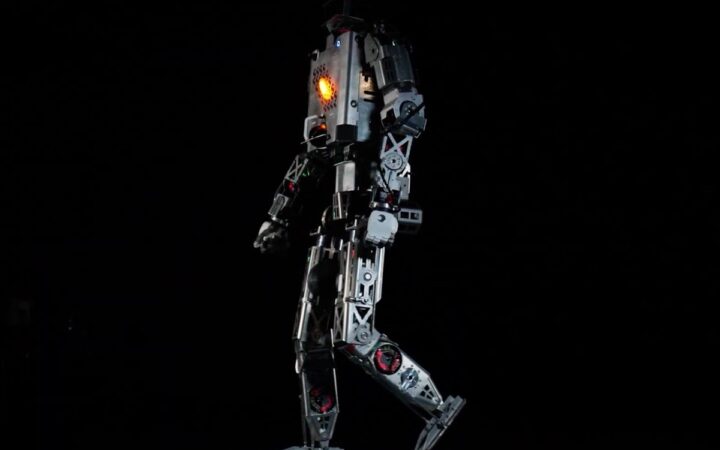
Panasonic Holdings is targeting humanoid robot production by 2029, with factory production lines and warehouses as the initial markets. The plan would take the Japanese group beyond supplying batteries and electronic components into developing complete human-shaped machines for industrial work.
Chief AI Officer Akira Sakakibara outlined the ambition in an interview with Nikkei Asia, which reported the plans. Development is at an early stage: research has begun on AI models and supporting technologies, but Panasonic has not disclosed a working design or detailed performance specifications.
Factories and Warehouses Come First
The proposed robots are intended for manufacturing and logistics, where Panasonic already has experience with equipment, production processes and supply chains. A new AI and robotics research division established on October 1 will lead the effort, according to the report.
That industrial focus fits Sakakibara’s AI strategy. In his official message, the executive describes factories, equipment, products and operational knowledge as assets for physical AI, where software intelligence is connected to machines operating in the real world. Panasonic created the group chief AI officer position in April 2026.
Battery Expertise Underpins the Plan
Sakakibara pointed to Panasonic Energy’s battery safety record as a potential advantage, identifying battery fires as a barrier to wider humanoid adoption. That is a company argument for its approach; the report does not provide a robot-specific battery design or test results demonstrating the safety of a finished machine.
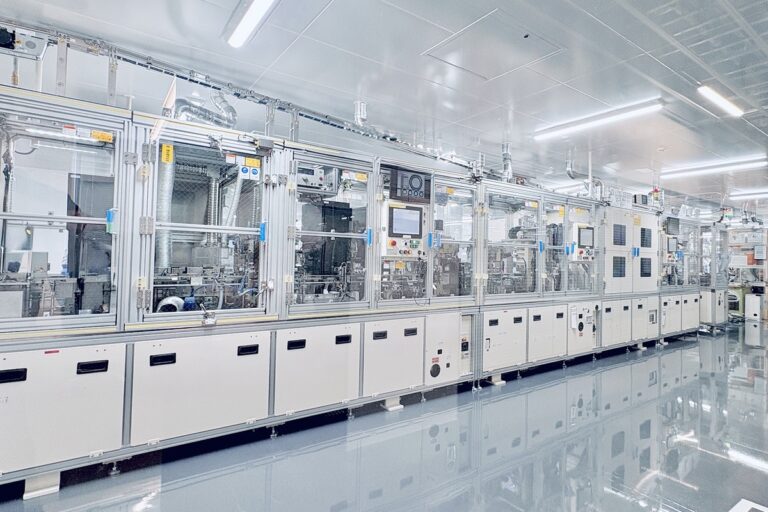
Panasonic Energy’s recent investment provides a concrete example of its battery development capacity. The company opened Energy Innovation Square in Kadoma, Osaka, in September. The facility brings together approximately 500 employees working across cell planning, technology development and analysis.
Alongside its Suminoe production development facility, the hub connects work on materials, cell design and prototypes with manufacturing processes. Panasonic explicitly identified humanoid robots, drones and robotaxis as emerging battery applications, although the announcement focused on automotive and data-center development.
From Robot Components to a Complete Machine
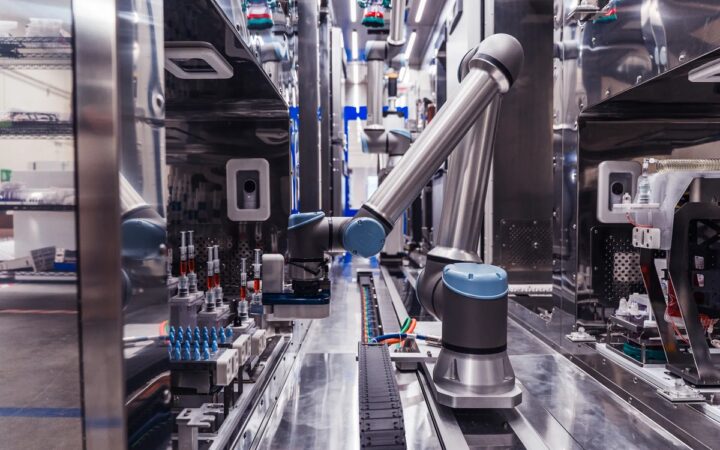
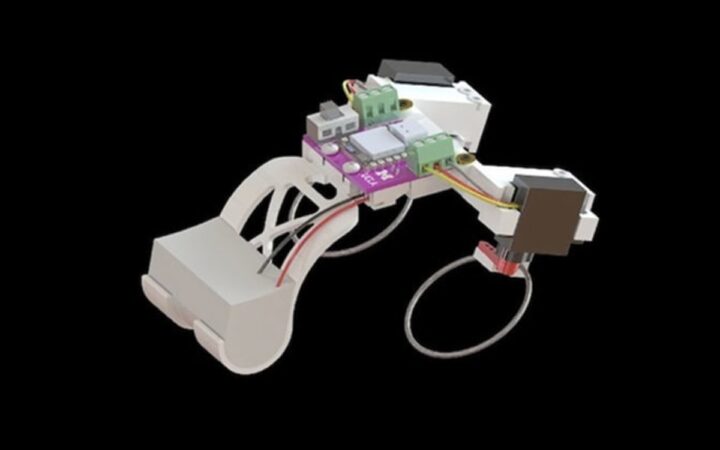
Panasonic Industry already has a component portfolio for humanoid robotics covering energy management, cooling, connectivity, sensing and actuation. Its offering includes supercapacitors, optical cables, thermal materials, tactile pressure sensors and compact motors.
The company says supercapacitors can recover energy during deceleration and supply peak power during acceleration, helping reduce stress on a robot’s battery. Those component capabilities are relevant to mobile machines, but they do not establish the runtime, payload or reliability of Panasonic’s planned humanoid.
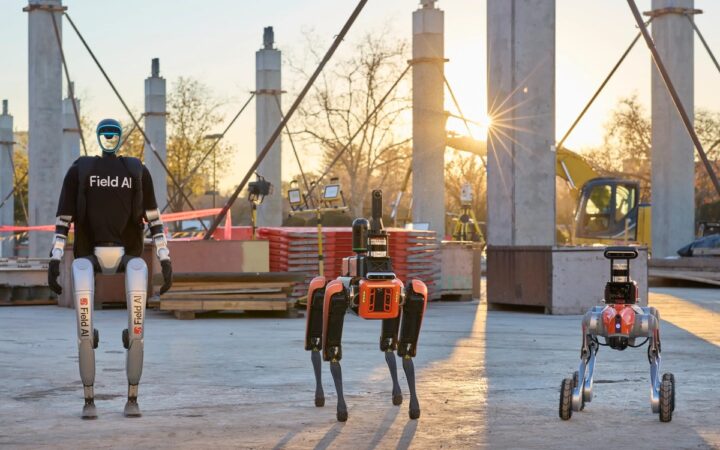
Mechanical capability is another part of the challenge. RobotsBeat’s coverage of Atlas hands examines hardware designed for tool use and manipulation. Reliable industrial work requires that hardware to function alongside perception, control software and safety systems.
What the 2029 Target Still Leaves Open
Panasonic has set a production objective, rather than demonstrated a robot ready for factory deployment. The public report leaves important commercial questions unanswered, including price, production volume, specific tasks and the level of autonomy the machine will offer.
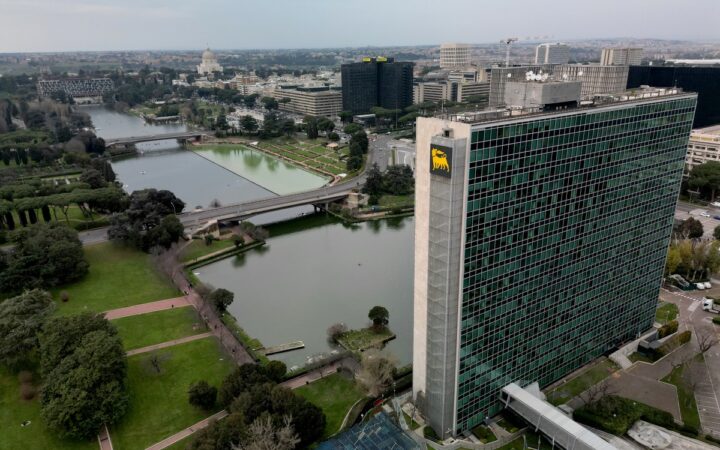
Other industrial projects illustrate the work between an announcement and routine operation. Eni and Generative Bionics are exploring humanoids for industrial settings, with an emphasis on evaluating suitable applications. For Panasonic, a disclosed prototype and measured results on defined factory or warehouse tasks would provide the next evidence of progress toward 2029.
Disclaimer: RobotsBeat is an independent media brand owned and operated by NuvexMedia LLC, publishing news, research, and insights on artificial intelligence, emerging technologies, automation, and related industries. NuvexMedia LLC invests in and collaborates with companies across the AI, Robotics, technology, software, and digital innovation sectors. These relationships do not influence RobotsBeat's editorial coverage, and the publication maintains full editorial independence to provide accurate, timely, and objective information. © 2026 NuvexMedia LLC. All rights reserved. This content is for informational purposes only and should not be considered legal, tax, investment, financial, or other professional advice.