Key Notes
- The Eni agreement concerns evaluation rather than an announced deployed fleet.
- GENE.01 combines distributed tactile sensing with task-specific humanoid design.
- Eni Next participated in the startup’s €70 million funding round in December 2025.
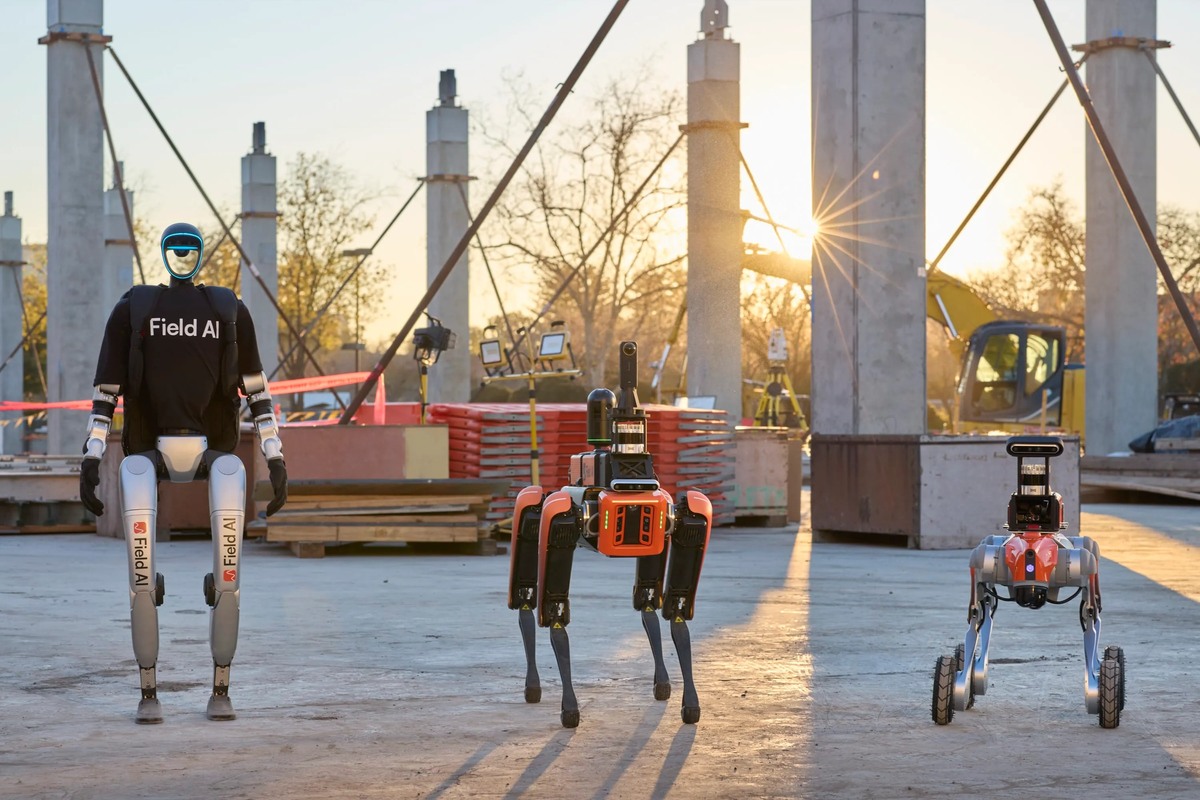
Eni has signed a memorandum of understanding with Generative Bionics to explore industrial uses for its GENE.01 humanoid, including inspection, teleoperation and remote assistance.
The September 30 announcement also covers possible computing support, industrial-site access and battery lifecycle work. Versalis and Finproject will explore improved foot materials.
An Industrial Platform Built Around Its Body
Generative Bionics introduced GENE.01 in July as a platform that combines mechanics, sensing and AI. Its launch release describes distributed skin that senses touch, proximity, force and temperature, designed to help the robot respond to people around it.
The company says the platform can be adapted through changes to task-specific AI, exterior design and end effectors. It has also released an open robot model for developers to simulate and test applications before obtaining physical hardware.
Generative Bionics identifies shipyard work with Fincantieri as an initial industrial application and describes a partnership with German actuator specialist Synapticon. These arrangements address different parts of a robot’s development: the customer’s task, the mechanical components and the software needed to coordinate them.
Materials Matter Alongside AI
The proposed footwear work targets lighter, durable components with better grip and impact absorption. For a walking machine, contact with the floor affects stability, wear and maintenance as well as movement control.
This is a practical reason to bring industrial materials specialists into humanoid development. A control policy must operate through physical hardware; improved sensing or more capable software cannot eliminate the consequences of a component wearing out or losing traction.
A Partnership Following Earlier Investment
Eni Next already participated in Generative Bionics’ €70 million funding round, according to the startup’s December 2025 funding announcement. CDP Venture Capital’s Artificial Intelligence Fund led the round, alongside investors including AMD Ventures, Duferco, RoboIT and Tether.
The company emerged from research at the Italian Institute of Technology. It said the financing would support product development, Physical AI training, industrial validation and its first production plant. The new agreement connects that development effort with a potential industrial operating partner.
The Next Test Is Reliable Work
A memorandum provides a framework for investigation; it does not establish that a humanoid fleet is already operating across Eni facilities. The announcement supplies no fleet size, delivery timetable or measured performance results.
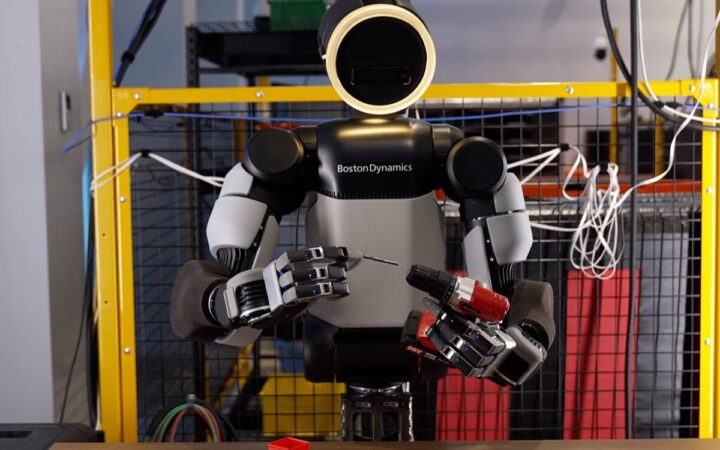
RobotsBeat’s reporting on Atlas factory training shows why access to an operating site matters: robots need experience with the parts, workflows and constraints they will encounter.
Our coverage of hazardous-area inspection also highlights the importance of certification in demanding energy-sector environments. GENE.01’s proposed applications will need to be assessed against the requirements of each location. Successful trials would need to demonstrate repeatable task completion, manageable intervention needs and a maintenance model that operators can support.
Disclaimer: RobotsBeat is an independent media brand owned and operated by NuvexMedia LLC, publishing news, research, and insights on artificial intelligence, emerging technologies, automation, and related industries. NuvexMedia LLC invests in and collaborates with companies across the AI, Robotics, technology, software, and digital innovation sectors. These relationships do not influence RobotsBeat's editorial coverage, and the publication maintains full editorial independence to provide accurate, timely, and objective information. © 2026 NuvexMedia LLC. All rights reserved. This content is for informational purposes only and should not be considered legal, tax, investment, financial, or other professional advice.