Key Notes
- Robot capability does not establish that automation is affordable.
- The 40-year estimate assumes historical price declines continue.
- The study models task exposure and costs rather than a guaranteed timeline for job losses.
Robot costs could slow broad automation of blue-collar work for decades, according to a new Anthropic study. The analysis estimates that machines can perform 74% of physical work under some conditions, yet are cheaper than human labor for tasks representing just 0.3% of total US working time.
Published September 30, the research by Russell Legate-Yang and Maxim Massenkoff distinguishes technical capability from economic viability. Its central result is a large gap between tasks a robot can demonstrate and work that an employer can economically automate.
What the 40-Year Estimate Means
If robot prices keep falling at roughly 3% annually, the researchers estimate that reaching cost competitiveness for 10% of today’s work would take around 40 years. That is a conditional calculation about task costs, rather than a deadline for replacing workers.
The technical appendix models a faster scenario with hardware costs falling 12% annually and other deployment costs declining 6%. It holds current tasks and wages constant and explicitly excludes feedback from changing wages, capital prices and the creation of new work.
How the Study Measures Robot Exposure
The methodology starts with O*NET descriptions covering roughly 900 occupations and 19,000 tasks. Claude classifies the work and searches for evidence of robot capabilities. Its ratings distinguish machines operating in purpose-built settings, orderly human workplaces and unstructured environments.
The appendix reports that excluding ratings supported only by demonstrations reduces exposed physical work by one percentage point. A more restrictive check, excluding robots performing related rather than precisely matching tasks, reduces the estimate from roughly three-quarters to half. That sensitivity matters when interpreting the headline capability figure.
Different Jobs Face Different Risks
Driving and warehouse work rank higher in exposure than nursing and general repair. Dexterity, regulation and human preferences can limit adoption even when an automation project looks financially attractive.
RobotsBeat’s coverage of the industrial robot market provides useful context: established factory automation has a much larger installed base than humanoids. Its reporting on humanoid sales also highlighted the importance of distinguishing research and training machines from productive workplace deployments.
Useful Automation Requires a Complete Workflow
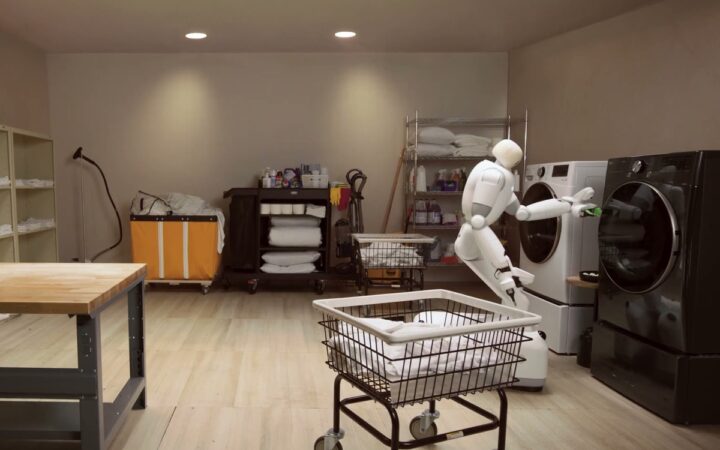
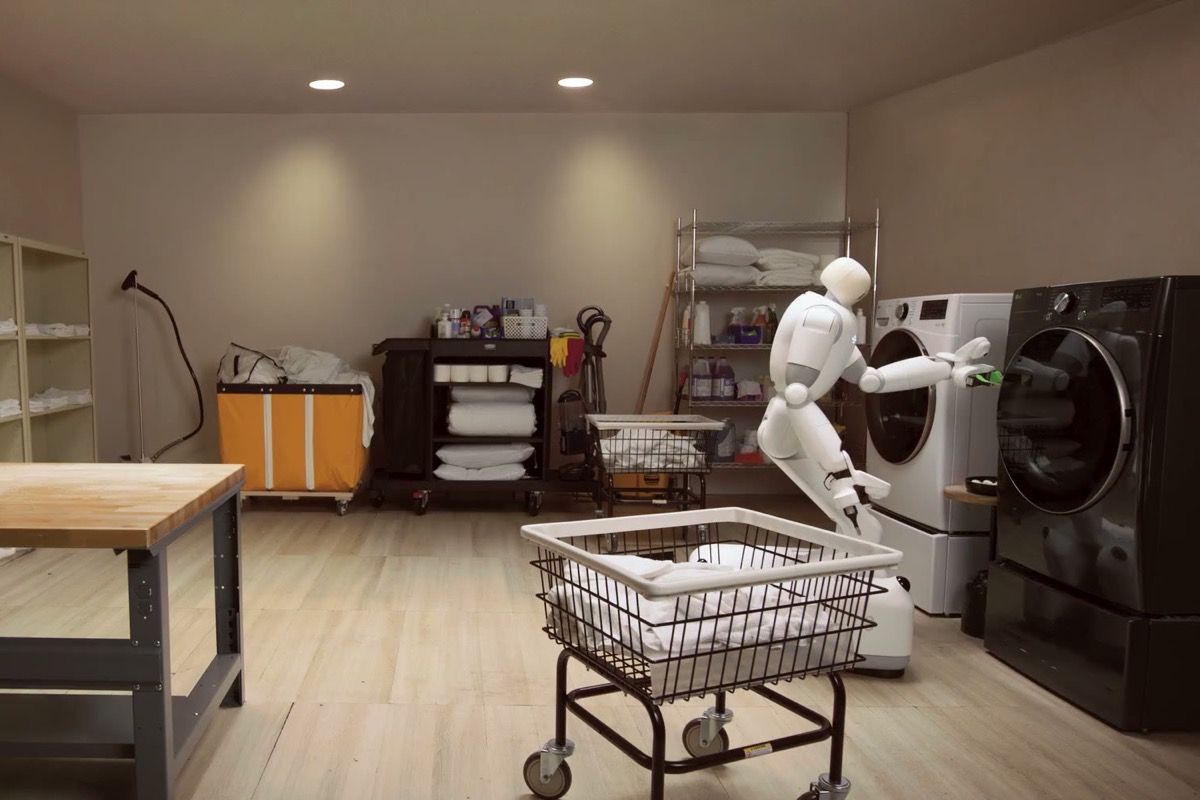
Recent developments show why individual tasks are only part of the commercial question. Dyna Robotics’ Taku laundry demonstration combines movement, manipulation and planning across an extended workflow. For buyers, the practical questions include how often intervention is needed and whether the equipment can repeat that performance at a customer site.
Read together, the research and deployment examples suggest that employers should assess a specific workflow, its operating conditions and its total costs. A successful demonstration can establish a capability; deciding whether to reorganize a workplace around it requires evidence about reliability, supervision and sustained output.
Disclaimer: RobotsBeat is an independent media brand owned and operated by NuvexMedia LLC, publishing news, research, and insights on artificial intelligence, emerging technologies, automation, and related industries. NuvexMedia LLC invests in and collaborates with companies across the AI, Robotics, technology, software, and digital innovation sectors. These relationships do not influence RobotsBeat's editorial coverage, and the publication maintains full editorial independence to provide accurate, timely, and objective information. © 2026 NuvexMedia LLC. All rights reserved. This content is for informational purposes only and should not be considered legal, tax, investment, financial, or other professional advice.