Key Notes
- GM reportedly aims to increase robotics and other automation use across its North American factories by 20% by 2028.
- The effort includes in-house robot development, parts-transport automation and closer scrutiny of suppliers’ automation plans.
- The target is a reported future goal rather than a disclosed robot count, while the United Auto Workers has raised concerns about its impact on jobs.
General Motors aims to increase its use of robots and other automation at North American factories by 20% by 2028, Reuters reported on November 17, citing people familiar with the plan. The push would extend automation beyond individual production cells into the movement of parts and the way GM evaluates suppliers.
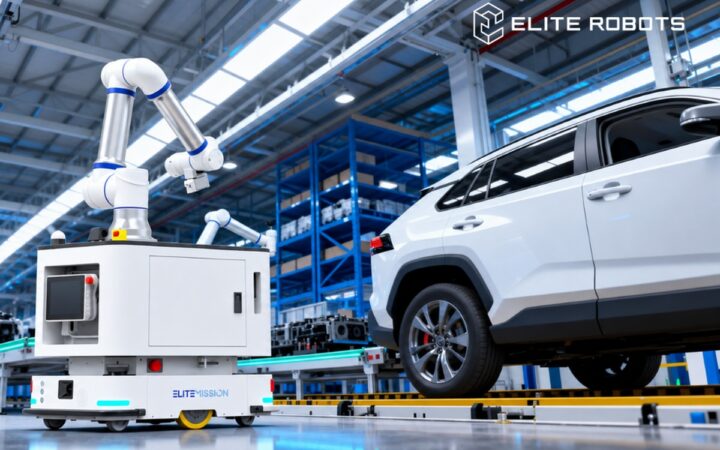
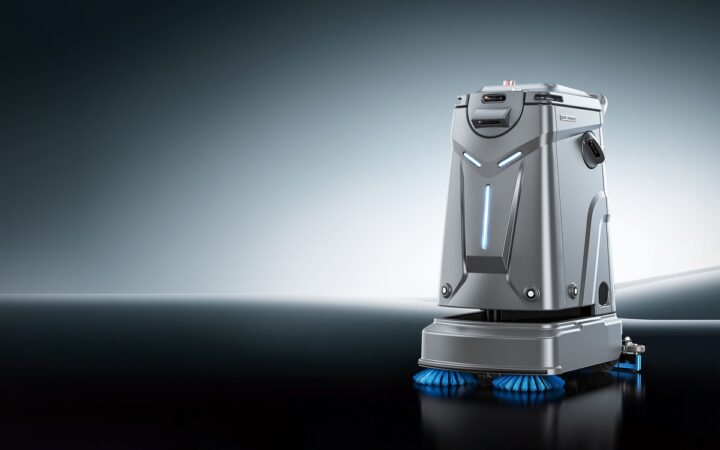
Reuters reports that GM is developing robots in-house and assembling them at its Kokomo, Indiana, plant, with autonomous mobile robots for factory material transport a focus. It continues to buy equipment from outside suppliers as well. The reported goal covers robotics and other automation; it is not a disclosed order for a fleet of humanoids.
Moving Parts Becomes Part of the Automation Strategy
Material handling connects the work of separate stations. A robot can move a container or deliver components, but a useful deployment must also coordinate collection points, routes, handovers and production timing. Automating the journey has limited value if a workstation still waits for the right part.
The 20% figure is a future target, with no robot-count baseline or plant-by-plant schedule disclosed in the report. Our coverage of BMW’s robot program examined a different, quantified equipment-supply announcement. GM’s reported plan describes a broader change in automation use, making direct comparisons between the two figures misleading.
GM Already Has Robotics Research and Simulation Programs
In an October 2025 technology update, GM said more than 100 robotics, AI and hardware specialists worked at its Autonomous Robotics Center in Warren, Michigan, and a sister lab in California. The company described using production telemetry, quality information and robot sensor data to develop systems, alongside software and manipulation components for collaborative robots.
A separate March 2025 NVIDIA agreement covered AI manufacturing models and digital twins for testing assembly-line designs. That work provides background to GM’s strategy, rather than confirmation that the newly reported target has already been delivered. Simulation can help evaluate proposed workflows before physical changes, while deployment still requires validation on the line.
Supplier Plans and Workforce Concerns Broaden the Stakes
Reuters also reports that GM asks bidders for parts contracts to submit automation plans and considers scores for those efforts in sourcing decisions. The United Auto Workers criticized the wider push as a threat to jobs. GM did not immediately answer the latest request for comment; its earlier position was that automation improves safety, quality and efficiency while supporting manufacturing teams.
The operational question is how much complete workflows improve, including reliability, maintenance and human intervention. Our report on GlobalFoundries’ robot trials illustrates why existing inspection deployments and future humanoid evaluations need separate measures. GM’s next evidence will be similarly practical: which tasks change, how consistently they run and what those changes mean for the people working alongside the machines.
Disclaimer: RobotsBeat is an independent media brand owned and operated by NuvexMedia LLC, publishing news, research, and insights on artificial intelligence, emerging technologies, automation, and related industries. NuvexMedia LLC invests in and collaborates with companies across the AI, Robotics, technology, software, and digital innovation sectors. These relationships do not influence RobotsBeat's editorial coverage, and the publication maintains full editorial independence to provide accurate, timely, and objective information. © 2026 NuvexMedia LLC. All rights reserved. This content is for informational purposes only and should not be considered legal, tax, investment, financial, or other professional advice.