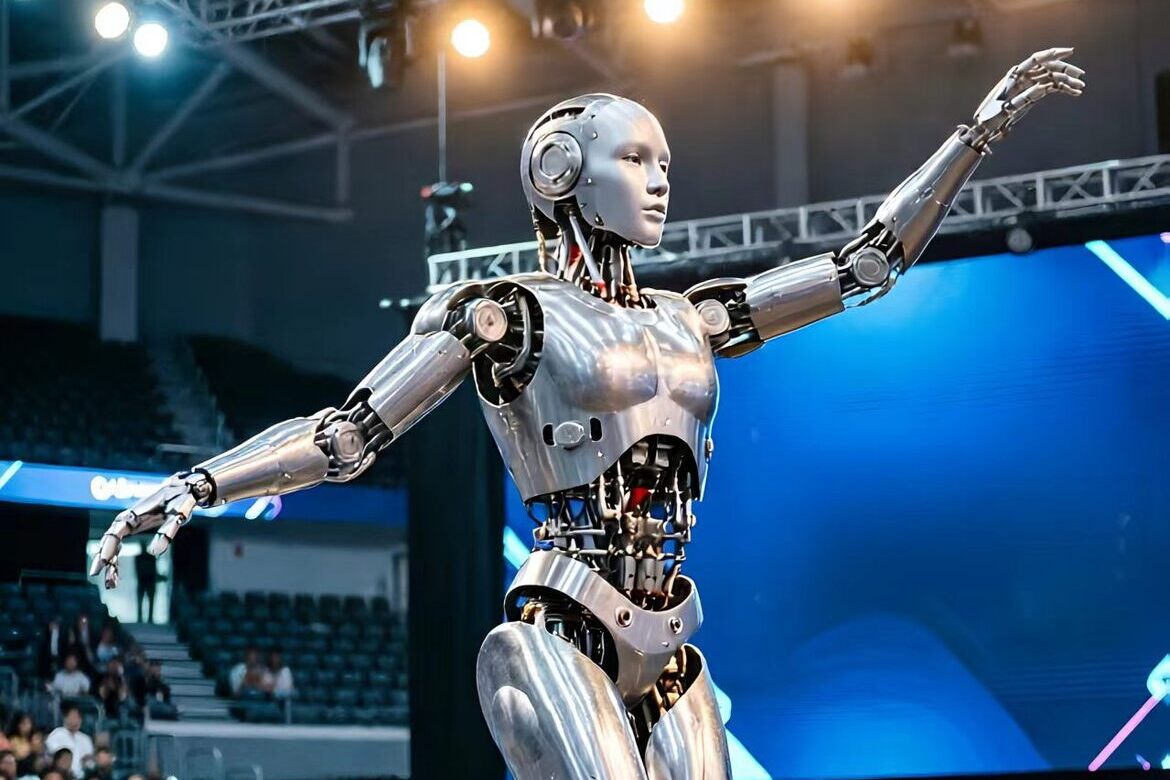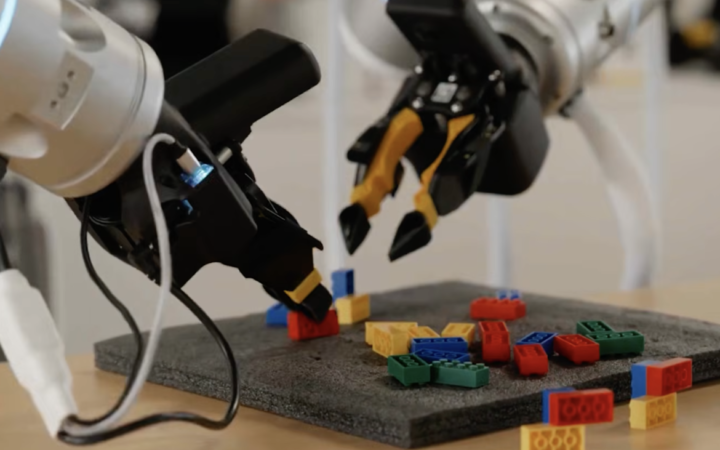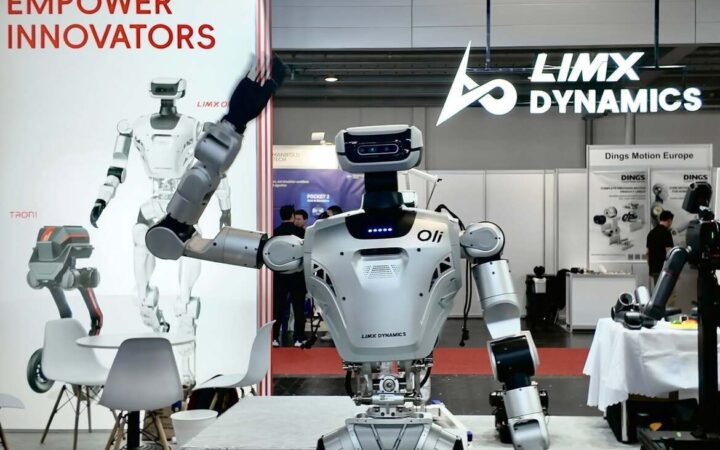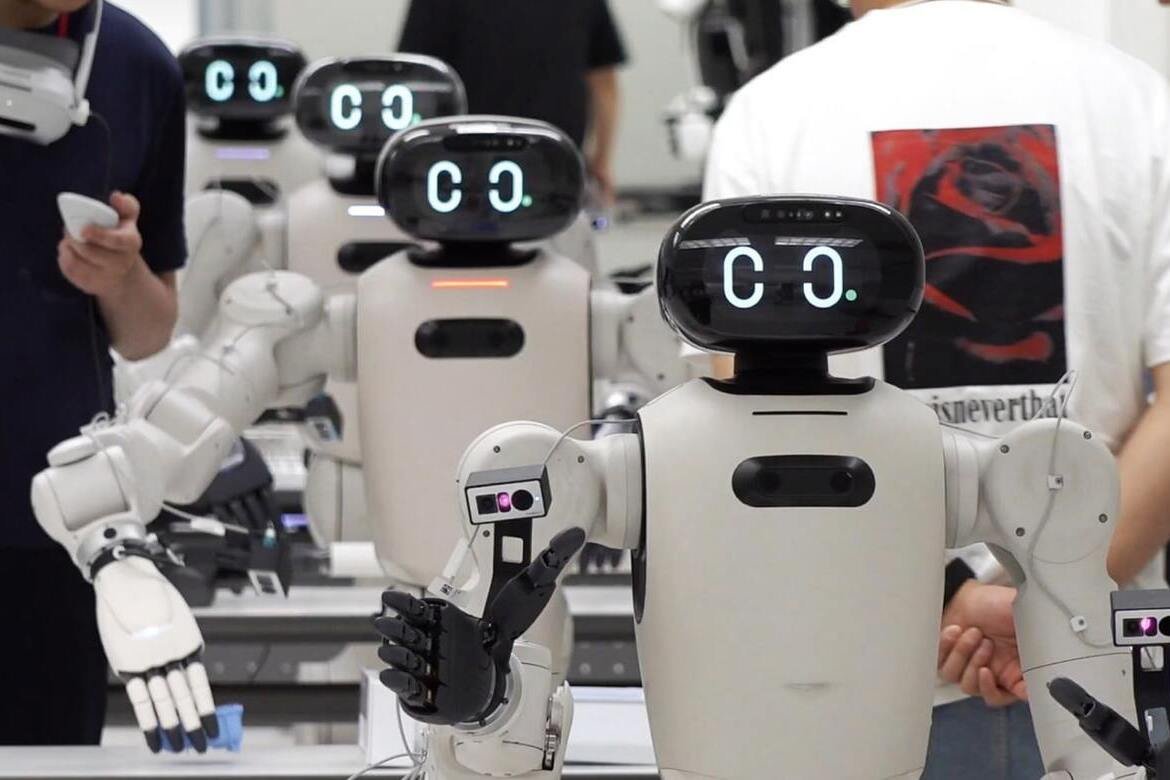

LG Electronics has established a Robotics Business Center effective July 1, 2026, four months ahead of the company’s annual organizational restructuring cycle – a timing that LG described as reflecting the strategic urgency it assigns to robotics as a key future business. The center will report directly to CEO Lyu Jae-cheol and is led by Song Si-yong, who previously held key leadership roles at LG’s Production Engineering Research Institute.
The establishment of the center formalizes a robotics commitment that has been building through a series of announcements and partnerships over the past year, including a major NVIDIA partnership covering physical AI and humanoid development, the acquisition of a stake in Bear Robotics, the conversion of the Yangjae R&D campus into a data factory, and the announcement of domestic actuator production drawing on LG’s 60-plus years of motor technology expertise.
What the Center Will Do
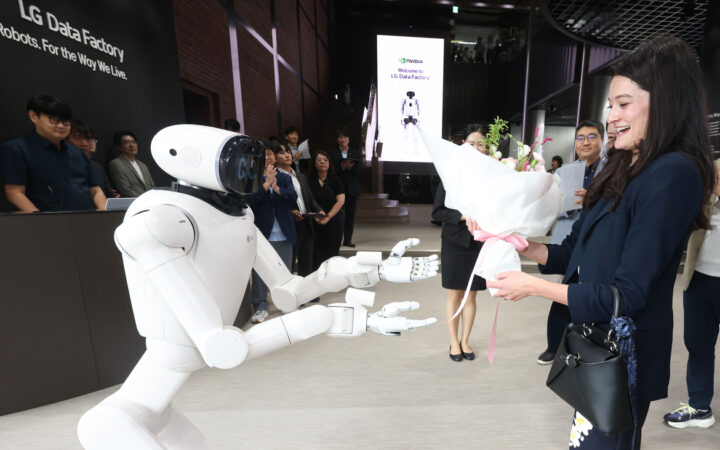
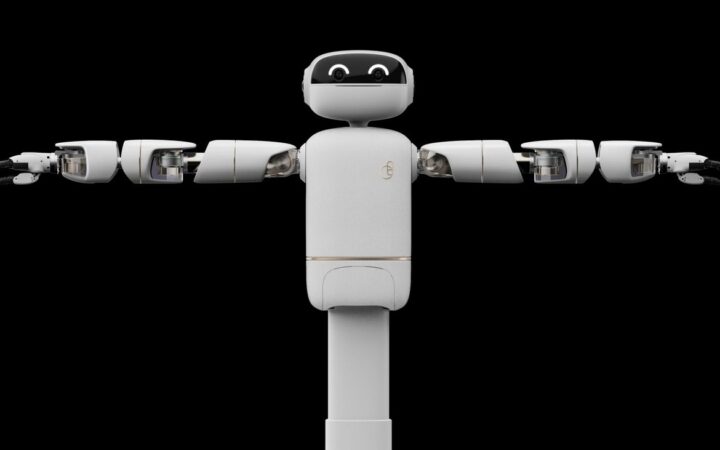
The Robotics Business Center operates as an end-to-end business organization covering business development, sales, and operations. It will launch a dedicated data factory organization to secure data collection capabilities and support robot training, advancing LG’s Robot Foundation Model. The large-scale data factory at the Yangjae campus in Seoul is expected to begin operations this year, deploying up to 300 CLOiD prototype home robots by year-end to generate real-world training data for the RFM.
The governance structure is designed to accelerate decision-making and bring together LG’s broader capabilities under what the company calls a “One LG Solution” approach – pooling expertise from affiliates including LG CNS, which recently partnered with Genesis AI to deploy general-purpose robots across LG Group manufacturing and logistics, and LG AI Research, which is developing the EXAONE large language model.
The Three-Pillar Strategy
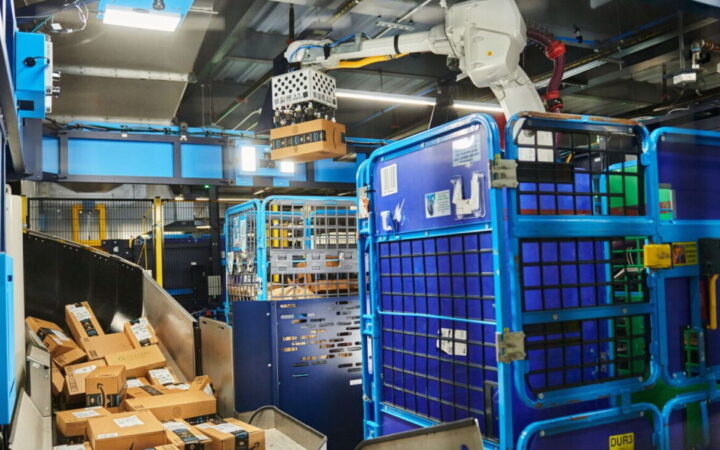
LG is pursuing robotics across three distinct market segments simultaneously. The industrial pillar is anchored by Robostar, LG’s existing industrial robotics subsidiary. The commercial pillar centers on Bear Robotics, the U.S.-based service robot company in which LG has invested, whose fleet of more than 16,000 deployed robots operates in hospitality, healthcare, and logistics. The residential pillar is built around LG’s CLOiD home robot and the broader home AI product roadmap.
The company is also preparing domestic actuator production – the motor and joint components that drive robot movement – leveraging decades of motor engineering expertise from its appliance business. Actuator manufacturing at scale is a key supply chain requirement for LG’s ambition to become a comprehensive robotics solutions provider spanning finished robots, core components, and data generation.
LG has designated 2026 as the inaugural year of its robotics business expansion, with the Robotics Business Center as the organizational structure that will execute against that commitment. The center’s direct reporting line to the CEO, and its formation four months outside the normal restructuring calendar, signal that LG is treating robotics as an immediate strategic priority rather than a longer-horizon investment.
Disclaimer: RobotsBeat is an independent media brand owned and operated by NuvexMedia LLC, publishing news, research, and insights on artificial intelligence, emerging technologies, automation, and related industries. NuvexMedia LLC invests in and collaborates with companies across the AI, Robotics, technology, software, and digital innovation sectors. These relationships do not influence RobotsBeat's editorial coverage, and the publication maintains full editorial independence to provide accurate, timely, and objective information. © 2026 NuvexMedia LLC. All rights reserved. This content is for informational purposes only and should not be considered legal, tax, investment, financial, or other professional advice.