Li Auto is increasingly redefining what it means to be an automaker. As competition in China’s electric vehicle market intensifies and margins tighten, the company is framing artificial intelligence and embodied robotics as the foundation of its next decade of growth.
Rather than treating AI as a feature layered onto vehicles, Li Auto’s leadership is presenting intelligence as the product itself, with cars, and eventually robots, serving as physical embodiments of that capability. The shift reflects a broader reassessment underway across the auto industry, where autonomy, perception, and decision-making are emerging as the primary sources of long-term differentiation.
From Smart Vehicles to Embodied AI
Li Auto has spent years building in-house AI systems to support advanced driver assistance and autonomous driving. These systems handle perception, motion planning, and real-time decision-making in complex environments. Company executives now argue that the same technology stack can extend beyond vehicles into general-purpose physical AI.
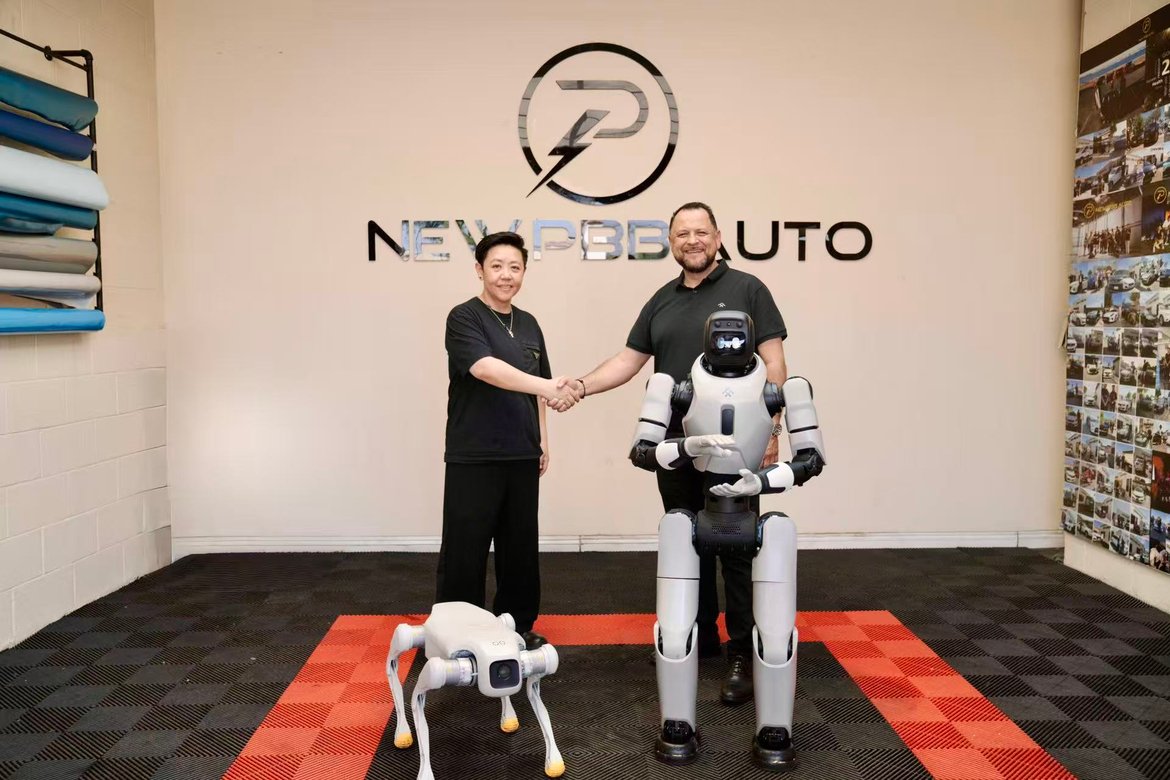
Humanoid robotics has emerged as a focal point of that vision. Like autonomous cars, humanoid robots must operate safely in spaces designed for people, interpret human intent, and adapt continuously to changing conditions. Engineers see deep overlap between the two domains, particularly in vision systems, control software, and large-scale data training.
Li Auto has not announced a standalone humanoid product or timeline. Instead, the company has described its robotics ambitions as a long-term effort focused on foundational intelligence rather than near-term commercialization.
Li Xiang Frames the Car as a Robot
That philosophy was made explicit on Feb. 5, when Li Auto CEO Li Xiang published a lengthy post on Weibo outlining the company’s view of the automobile’s ultimate form. In the essay, Li revisited a question posed when the company was founded in 2015: what should a car ultimately become?
While the industry largely viewed the answer as faster or smarter transportation, Li Auto’s internal conclusion was different. The company saw the car evolving into a robot, a vision Li described as guiding its strategy for the past decade. He emphasized that the company’s long-standing slogan was not symbolic, but a literal roadmap that has shaped product and technology decisions over time.
Li pushed back on speculation that Li Auto’s focus on AI signals a retreat from vehicles. Instead, he argued that embodied intelligence must be grounded in a strong automotive foundation to create real value. He noted that the majority of his time remains devoted to the car itself, ensuring the organization understands how to evolve a vehicle into an intelligent system step by step.
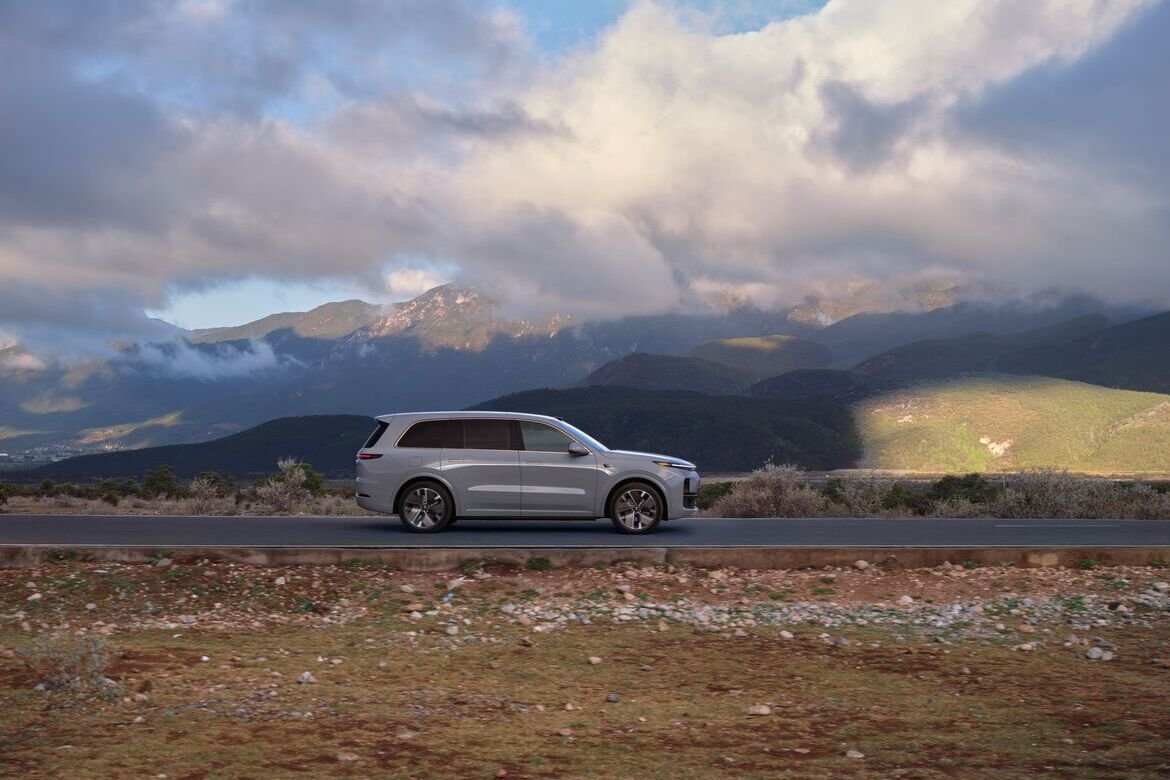
According to Li, the newly released Li Auto L9 represents a turning point in that process. He described the vehicle as an intelligent agent equipped with perception, cognition, and actuation, transforming the car from a passive tool into an active partner that recognizes users, anticipates needs, and responds proactively. In his framing, the L9 is not just a new model, but the first concrete expression of Li Auto’s embodied AI vision as the company enters its second decade.
An Industry Looking Beyond Cars
Li Auto’s messaging aligns with a broader shift across China’s technology and manufacturing sectors. As electric vehicles become increasingly commoditized, companies are looking to intelligence, not hardware alone, as the defining advantage. Humanoid robotics and embodied AI offer a path to reuse autonomy expertise while opening new markets in logistics, services, and industrial automation.
For Li Auto, cars remain the primary product and revenue driver. But the company is increasingly clear about its long-term ambition. It does not see itself solely as an automaker, but as a builder of intelligent machines whose form may evolve over time.
Whether humanoid robots become a commercial reality or remain a research frontier, Li Auto’s strategy underscores a growing belief across the industry: the future of mobility companies may be determined less by what they manufacture, and more by how intelligent those machines can become.