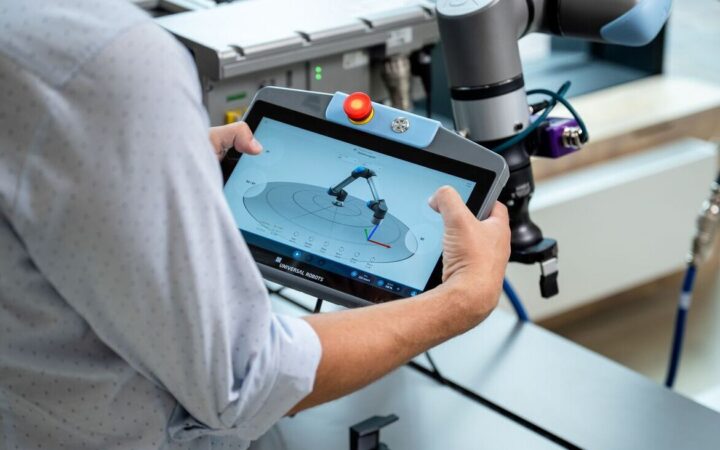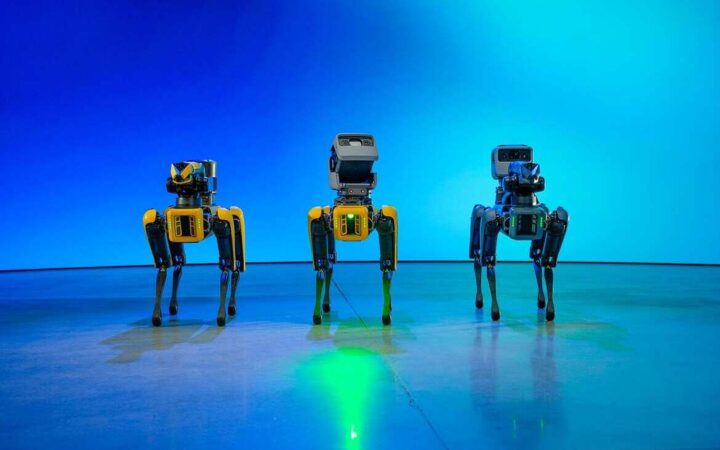

Alibaba on Tuesday introduced RynnBrain, an artificial intelligence model built to support robotics, as competition intensifies among global technology companies to define the software foundations of physical AI. The launch reflects how leading AI developers are moving beyond text and images toward systems that can interpret and act within real-world environments.
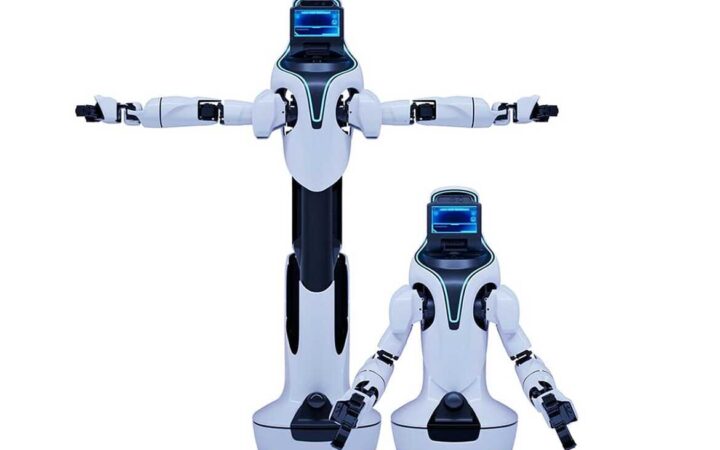
RynnBrain is designed to help robots perceive their surroundings, identify objects, and coordinate movement accordingly. In a demonstration released by Alibaba’s DAMO Academy, a robot identifies pieces of fruit and places them into a basket. While visually unremarkable, the task requires a tight integration of perception, reasoning, and motion control, areas that have long constrained the commercial deployment of autonomous machines.
Physical AI as a Strategic Priority
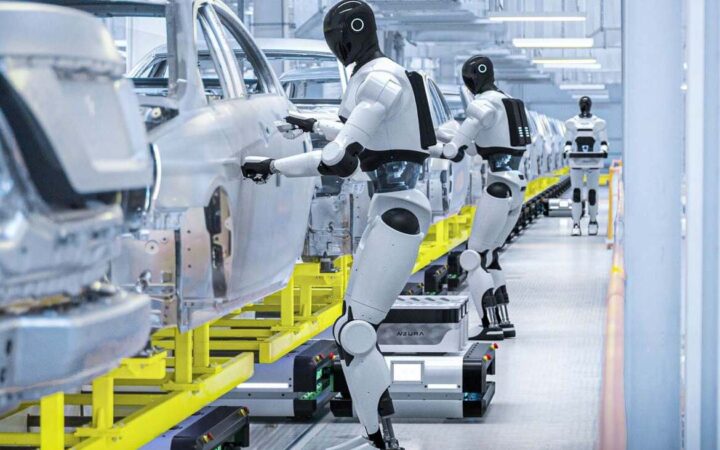
Robotics is increasingly grouped under the broader category of physical AI, which includes machines such as industrial robots and self-driving vehicles that rely on artificial intelligence to operate in dynamic environments. China has made physical AI a strategic focus, viewing it as a critical arena in its technological competition with the United States.
Industry leaders have echoed the scale of the opportunity. Nvidia chief executive Jensen Huang has described AI and robotics as a multitrillion-dollar growth market, a framing that helps explain why major model developers are investing in systems that extend beyond digital tasks. For Alibaba, RynnBrain represents an entry point into this emerging layer of the AI stack, complementing its existing work on large language models under the Qwen brand.
Competing World Models Take Shape
Alibaba’s move places it alongside a growing list of companies developing so-called world models, AI systems intended to help machines understand and simulate the physical world. Nvidia has introduced several robotics-focused models under its Cosmos platform, while Google DeepMind has developed Gemini Robotics-ER, aimed at embodied reasoning and control. Tesla is pursuing a similar approach internally for its Optimus humanoid robot.
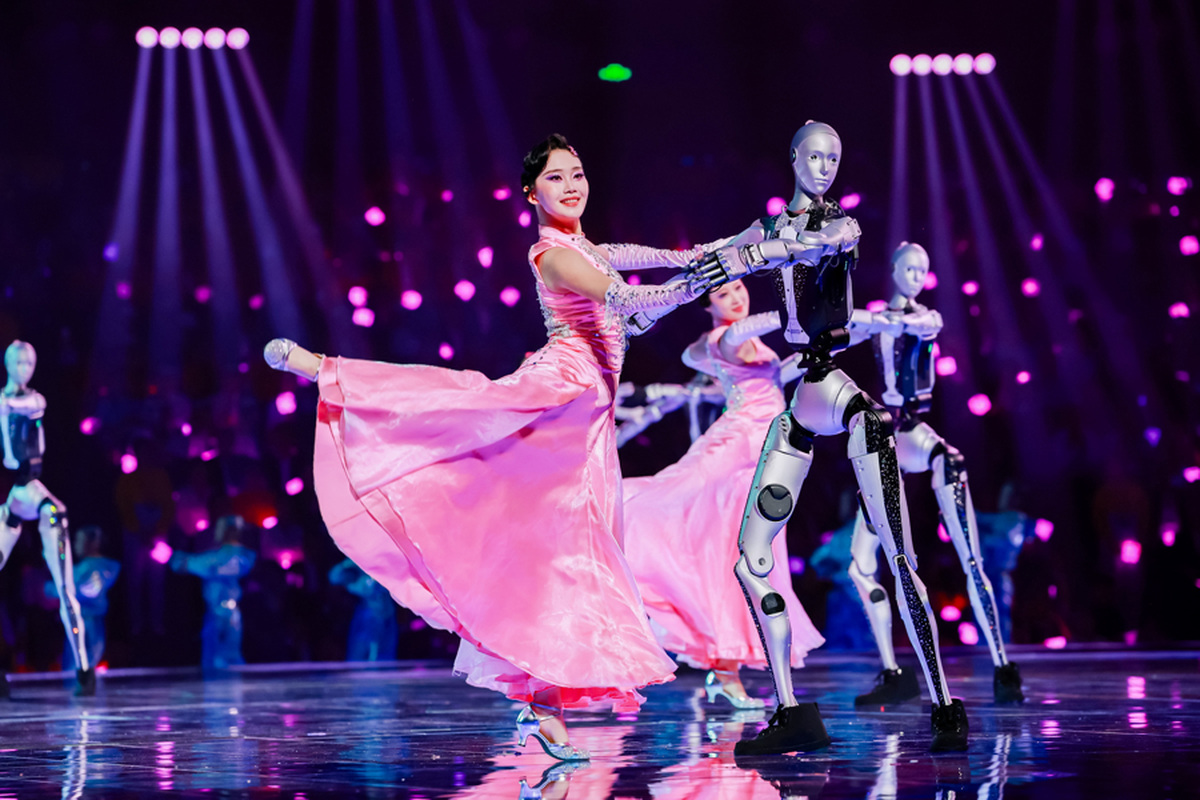
The competition is particularly pronounced in humanoid robotics, where China is widely viewed as moving faster than the U.S. toward scaled production. Several Chinese manufacturers have signaled plans to ramp output this year, suggesting that software capable of generalizing across tasks and environments will be a key differentiator.
Open Source as an Adoption Strategy
Like Alibaba’s other recent AI releases, RynnBrain is being offered under an open source model, allowing developers to use and modify it freely. Open sourcing has been central to Alibaba’s strategy for expanding the reach of its AI ecosystem, particularly outside China, and contrasts with more closed approaches taken by some Western rivals.
The decision also reflects a broader industry debate over how foundational physical AI systems should be distributed. By lowering barriers to experimentation, Alibaba is positioning RynnBrain as infrastructure rather than a proprietary product, betting that widespread adoption will accelerate progress in robotics while reinforcing its role in the global AI landscape.
Disclaimer: RobotsBeat is an independent media brand owned and operated by NuvexMedia LLC, publishing news, research, and insights on artificial intelligence, emerging technologies, automation, and related industries. NuvexMedia LLC invests in and collaborates with companies across the AI, Robotics, technology, software, and digital innovation sectors. These relationships do not influence RobotsBeat's editorial coverage, and the publication maintains full editorial independence to provide accurate, timely, and objective information. © 2026 NuvexMedia LLC. All rights reserved. This content is for informational purposes only and should not be considered legal, tax, investment, financial, or other professional advice.