Key Notes
- Nidus announced $30 million in funding backed by Kleiner Perkins and Costanoa to expand robot AI for precision assembly in existing US defense factories.
- An Upstarts interview describes the funding as a combined pre-seed and seed total, with repeated teleoperated wire-processing demonstrations supplying training data.
- Its broader strategy pairs modular manufacturing systems with human supervision, while the new capital supports engineering hires and additional production deployments.
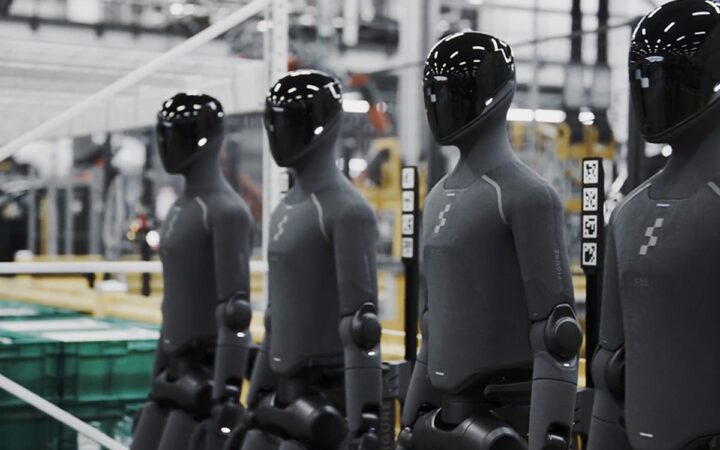
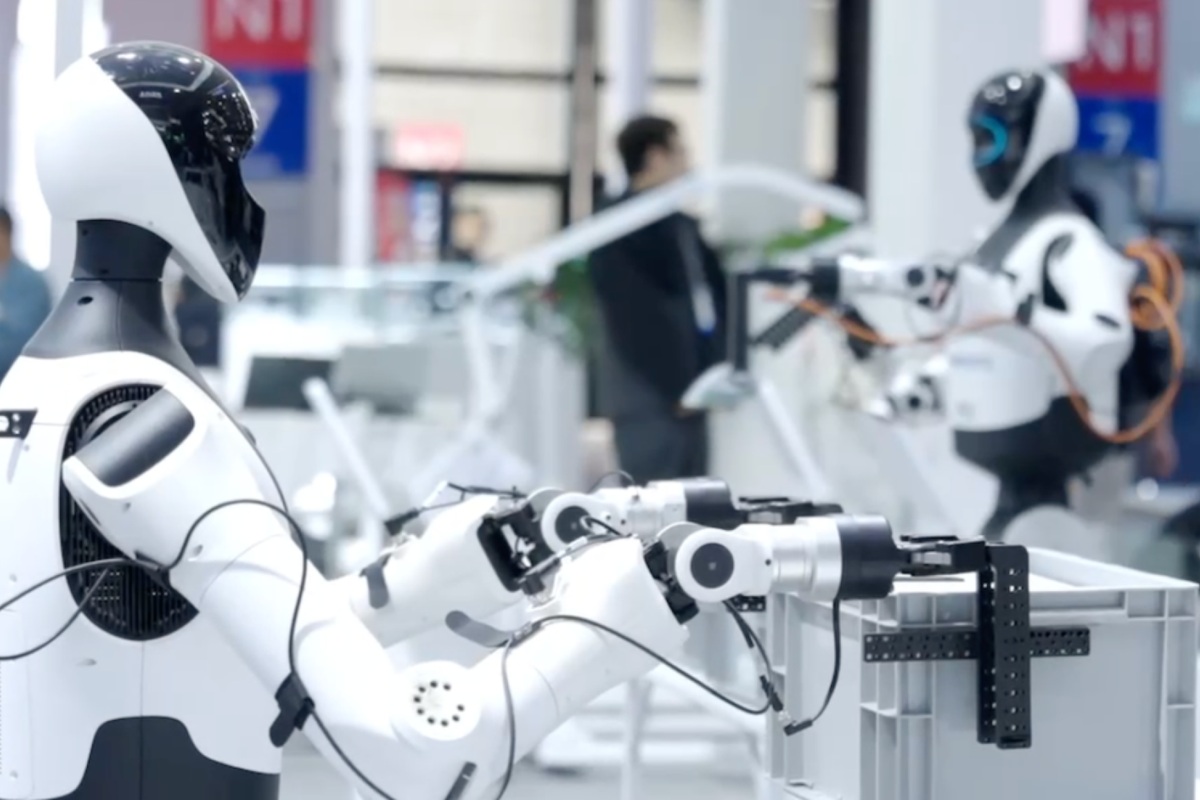
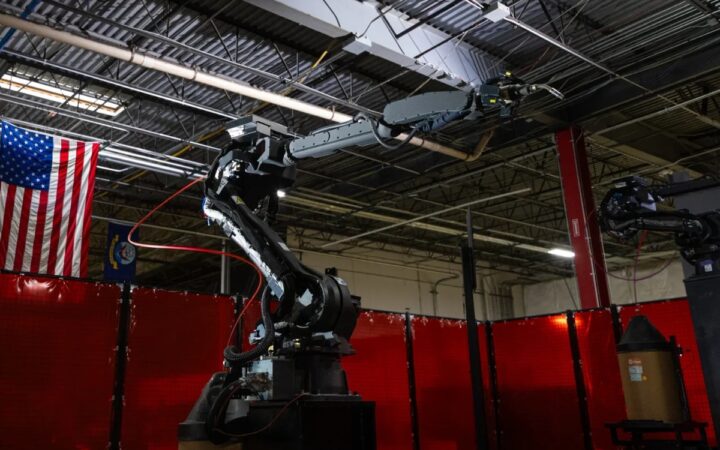
Nidus has announced $30 million in funding to expand AI-powered robot assembly inside U.S. defense factories, starting with wire processing. Kleiner Perkins and Costanoa back the company, whose approach applies robotics models to conventional industrial machines.
The November 10 funding announcement names Ludlow Ventures, SF1, Absolute Partners and Tau among the other participants. Nidus plans to add engineers, broaden its factory workflows and expand production deployments. It did not disclose a valuation.
Wire Processing Is the Initial Application
Nidus says it is delivering customized models for wire processing on its proprietary platform. Wire harnesses connect electrical systems throughout aircraft, vehicles and other equipment, making their assembly a practical starting point for a manufacturing-focused robotics business.
Flexible materials create a different handling problem from a rigid metal component. A wire can bend, move out of alignment or change its shape during contact. Useful automation needs to connect sensing and manipulation with the quality requirements of the finished assembly.
Collecting Demonstrations Before Scaling Deployment
An Upstarts interview describes operators repeatedly demonstrating wire-processing movements on training rigs. Those demonstrations supply data for the company’s models. The report identifies the $30 million as combined funding from a Costanoa-led pre-seed and a Kleiner Perkins-led seed round.
The distinction separates the financing total from a single newly closed round. The interview also places Nidus’s approach inside existing industrial workflows, with the aim of improving production without requiring customers to rebuild their processes from scratch.
A Strategy Built Around Existing Factories
The company’s founding thesis, published in January, argues for modular manufacturing products that help a limited pool of skilled operators oversee more production. It emphasizes software-defined systems suited to the custom, low-volume and varied work found in defense manufacturing.
That thesis also assigns people roles in problem-solving, quality control and continuous improvement. The proposed operating model combines robot execution with supervision and production software, including scheduling and shift management. These are the company’s design goals; they do not establish a measured labor multiplier for its current deployments.
Data Control Is Part of the Commercial Pitch
Nidus describes customer-specific training practices intended to keep manufacturing knowledge under each customer’s control. The release links that approach to the security demands of defense production, without providing a public certification or compliance assessment.
For a customer, the implementation questions include where process data is stored, how a model is updated and how changes to a production task are approved. Those details affect whether a system can be maintained and improved inside the factory’s operating rules.
Funding Supports the Next Deployment Stage
The financing gives Nidus resources to increase data collection and deployment support. The announcement provides no standardized task-success, cycle-time or uptime benchmark, leaving those operating results to be established for each production workflow.
Nidus joins a wider push to turn robot intelligence into production systems. Our reports on Path’s manufacturing AI and Foundry’s assembly factory follow related efforts in welding and assembly. Nidus is concentrating its initial deployments on a narrower task and customer group.
Disclaimer: RobotsBeat is an independent media brand owned and operated by NuvexMedia LLC, publishing news, research, and insights on artificial intelligence, emerging technologies, automation, and related industries. NuvexMedia LLC invests in and collaborates with companies across the AI, Robotics, technology, software, and digital innovation sectors. These relationships do not influence RobotsBeat's editorial coverage, and the publication maintains full editorial independence to provide accurate, timely, and objective information. © 2026 NuvexMedia LLC. All rights reserved. This content is for informational purposes only and should not be considered legal, tax, investment, financial, or other professional advice.