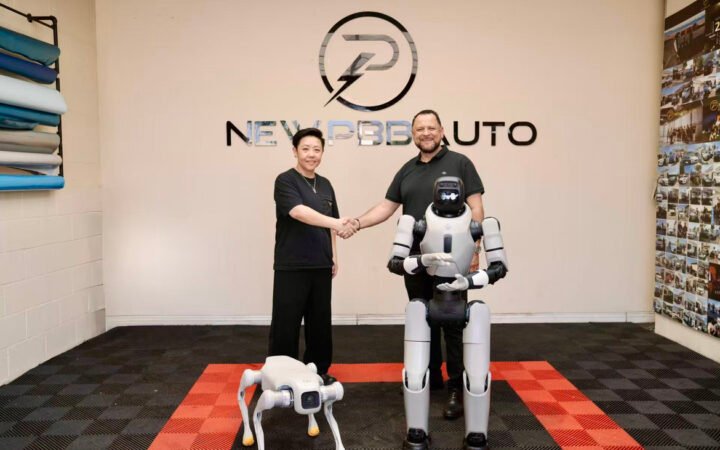
Amazon has acquired Fauna Robotics, a startup developing compact humanoid robots designed for consumer and developer applications, marking the company’s latest move to expand its robotics ambitions beyond warehouses and logistics.
The acquisition brings Fauna’s roughly 50-person team into Amazon’s organization, where the company says it will continue operating as Fauna Robotics, an Amazon company. Financial terms of the deal were not disclosed.
The move highlights Amazon’s growing interest in humanoid robotics as a potential new platform for automation in both commercial and household settings.
A Smaller, “Approachable” Humanoid
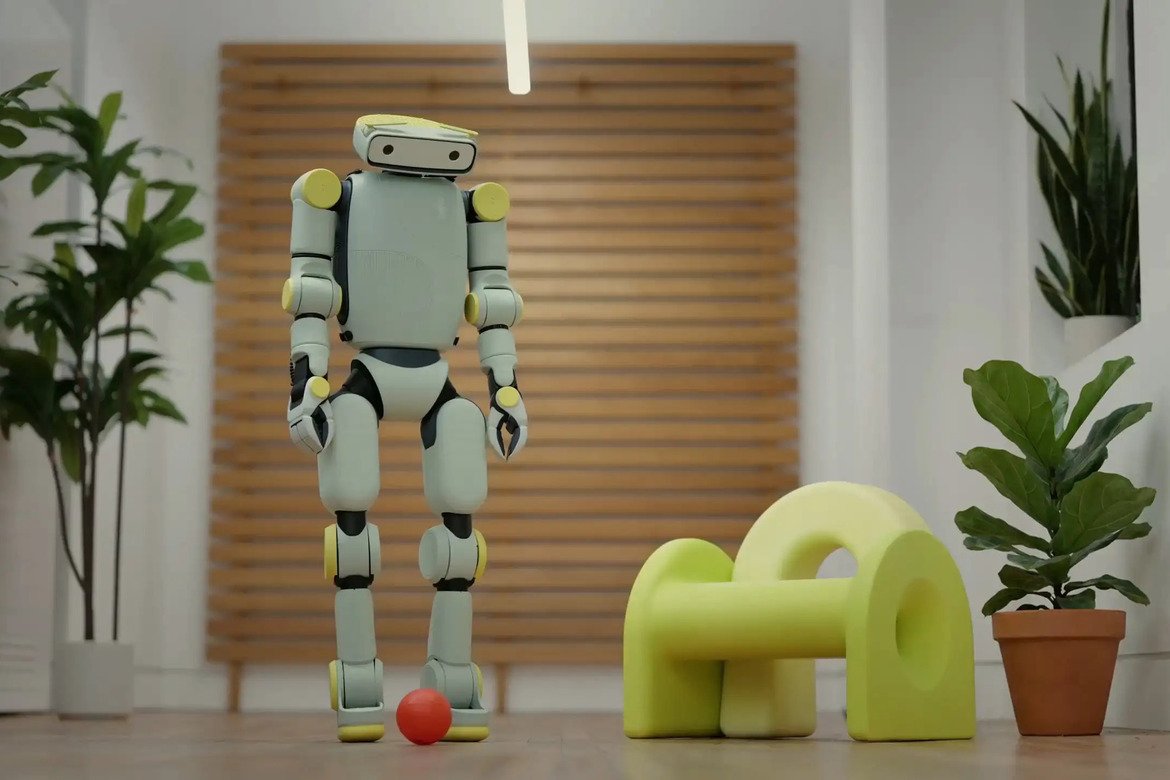
Fauna Robotics launched in 2024 with a focus on building humanoid robots designed to feel accessible and safe around people. Its first product, called Sprout, is a bipedal robot standing about 3 feet 6 inches tall and weighing roughly 50 pounds.
Priced at around $50,000, the robot was designed to be developer-friendly and relatively easy to integrate into software platforms. The company positioned Sprout as an approachable humanoid platform capable of operating in environments where traditional industrial robots would appear intimidating or impractical.
The startup was founded by engineers previously working at major technology companies including Meta and Google. Early customers reportedly included companies exploring robotics applications in entertainment and advanced robotics development.
For Amazon, acquiring Fauna adds a humanoid robotics team at a time when the technology is attracting increasing investment across the technology sector.
A Broader Robotics Expansion
Amazon has spent more than a decade building one of the largest robotics operations in the private sector, primarily focused on warehouse automation.
That effort accelerated after the company’s 2012 acquisition of Kiva Systems, which became the foundation for Amazon Robotics and helped transform fulfillment centers with fleets of mobile warehouse robots.
More recently, the company has begun expanding robotics development beyond warehouses.
Just days before the Fauna deal, Amazon confirmed the acquisition of Swiss robotics startup Rivr, which develops robots designed to assist with doorstep delivery tasks. The move reflects Amazon’s interest in automating portions of last-mile logistics, one of the most expensive stages of the e-commerce supply chain.
The company has also experimented with consumer robotics. In 2021 Amazon launched Astro, a mobile home robot designed for security monitoring and household assistance, though the device has remained limited to a small invitation-only program.
Entering the Humanoid Robot Race
The Fauna acquisition places Amazon more directly into the emerging humanoid robot market, which has attracted increasing attention from both startups and large technology companies.
Tesla is developing its Optimus humanoid robot with plans to manufacture the machines at scale. Other companies pursuing similar systems include Figure AI, Apptronik, Agility Robotics and Norway-based 1X.
Many of these robots are aimed initially at industrial environments such as factories or warehouses. Others are exploring longer-term consumer applications ranging from home assistance to retail service roles.
Amazon has not disclosed how it plans to deploy Fauna’s technology, but the company’s combination of logistics infrastructure, consumer devices and cloud services could offer multiple pathways for humanoid robots.
If the technology matures, such machines could potentially assist with warehouse tasks, support delivery operations or eventually perform limited duties inside homes.
For now, the acquisition appears to be another step in Amazon’s broader strategy to build robotics capabilities across its business ecosystem.
As companies race to develop practical humanoid machines, the combination of robotics hardware, artificial intelligence and real-world deployment data may determine which platforms ultimately reach large-scale adoption.