
Autonomous driving pioneer Mobileye is widening its footprint across two fast-growing frontiers: advanced driver assistance systems in emerging markets and humanoid robotics powered by physical AI.
The company has secured a significant partnership in India while continuing to lay the groundwork for a broader robotics strategy announced earlier this year. Together, the moves underscore Mobileye’s ambition to position itself not just as a vehicle autonomy leader, but as a foundational player in machines that operate in the physical world.
Strengthening Its Position in India’s Auto Market
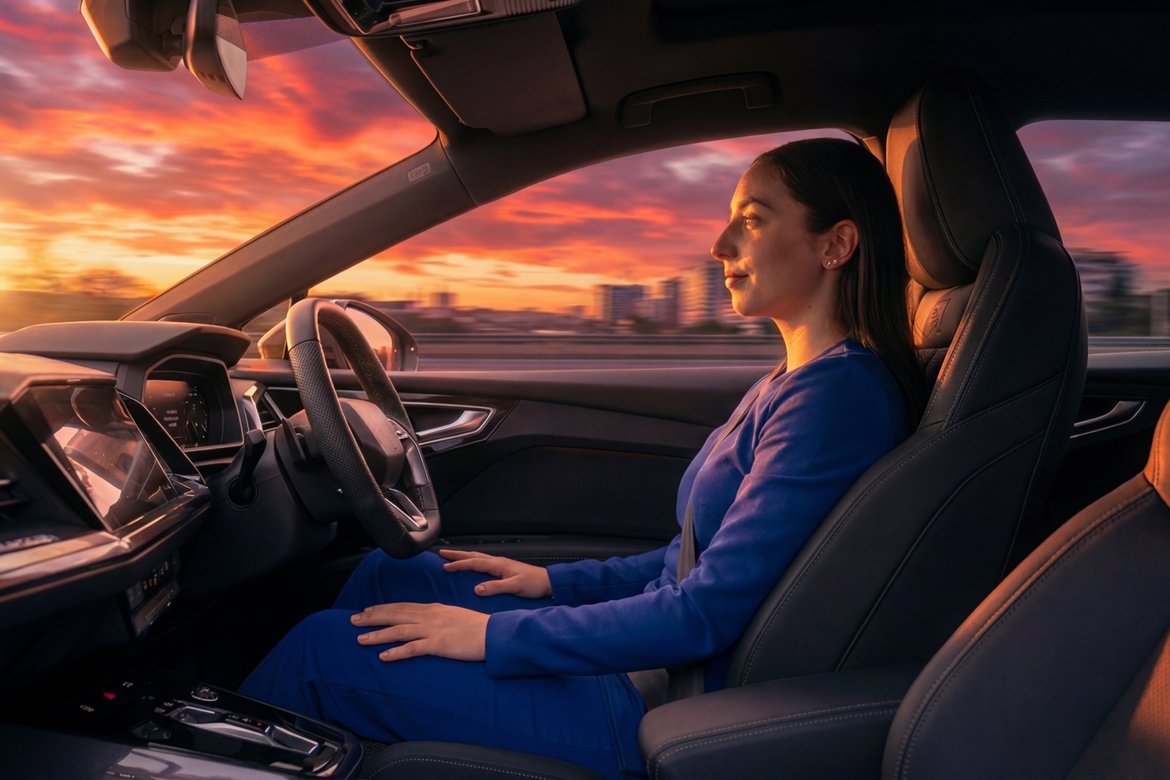
Indian automaker Mahindra & Mahindra has selected Mobileye’s SuperVision and Surround ADAS technologies for its upcoming vehicle lineup. The collaboration brings Level 2+ advanced driver assistance capabilities – including surround perception, lane support, and driver monitoring – to next-generation models aimed at a rapidly modernizing market.
India represents one of the fastest-growing automotive regions globally, where regulatory standards and consumer expectations around safety are evolving quickly. For Mobileye, the deal extends its global reach beyond established markets in Europe and North America and into a region where demand for intelligent mobility systems is accelerating.
The agreement also reinforces Mobileye’s modular technology approach. Its SuperVision platform integrates cameras, radar, and advanced AI-based perception to deliver scalable driver assistance features that can later evolve toward higher levels of autonomy. As automakers compete to differentiate through software-defined capabilities, Mobileye’s stack positions it as a long-term systems partner rather than just a component supplier.
From Vehicle Autonomy to Physical AI
While expanding in automotive, Mobileye is simultaneously advancing its robotics ambitions. Earlier this year, the company announced plans to acquire Mentee Robotics in a deal valued at approximately $900 million. The acquisition is intended to combine Mobileye’s autonomy and safety expertise with Mentee’s vertically integrated humanoid platform.
Mobileye has framed the move as a natural evolution of its autonomy stack. The perception, mapping, planning, and safety systems originally built for vehicles can, in principle, be adapted to humanoid robots navigating human environments. Both domains require real-time decision-making under uncertainty, rigorous safety validation, and edge-compute efficiency.
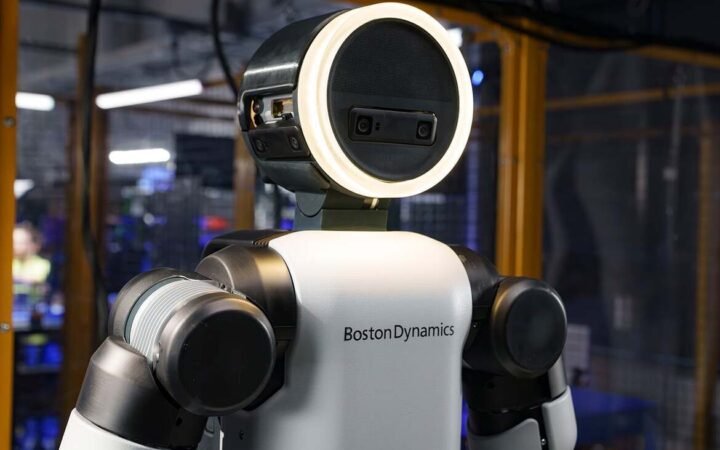
The robotics push aligns with a broader industry shift toward “physical AI” – systems that move beyond digital intelligence into machines that interact directly with the real world. Executives have emphasized that autonomy in cars and humanoids share foundational technical challenges: multimodal perception, world modeling, intent-aware reasoning, and safe actuation.
By combining a strengthened automotive presence in high-growth markets like India with a parallel bet on humanoid robotics, Mobileye is effectively hedging its future across two complementary sectors. If successful, the strategy could position the company at the center of both autonomous mobility and next-generation embodied AI systems.