As robotics and artificial intelligence systems move deeper into industrial and public infrastructure, U.S. policymakers are beginning to examine the national security implications of foreign-developed technologies operating inside critical systems.
A congressional hearing held by the House Subcommittee on Cybersecurity and Infrastructure Protection this week focused on the potential risks posed by AI, robotics, and autonomous sensing technologies developed by companies linked to China. Lawmakers raised concerns that rapidly advancing robotics platforms, including humanoid robots, could eventually become embedded in sensitive infrastructure sectors.
The hearing reflects a growing geopolitical dimension in the global race to develop advanced robotics and AI. As these systems transition from research environments into real-world deployment across manufacturing, logistics, and infrastructure, governments are increasingly evaluating how technological supply chains intersect with national security.
Chairman Andy Ogles said the hearing aimed to assess whether existing procurement safeguards and supply chain policies are adequate to manage risks associated with foreign-developed AI and robotics technologies.
Robotics Enters the Security Debate
The discussion centered on Chinese technology firms developing AI systems and robotic platforms that are gaining traction internationally.
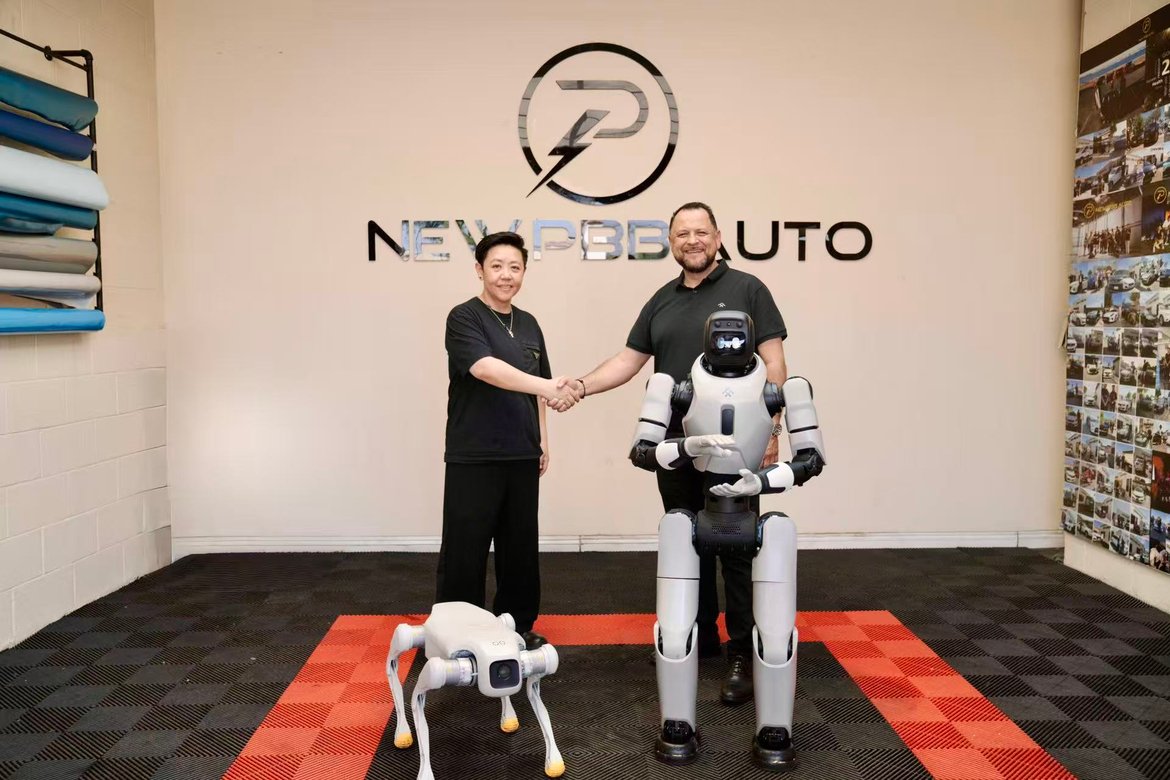
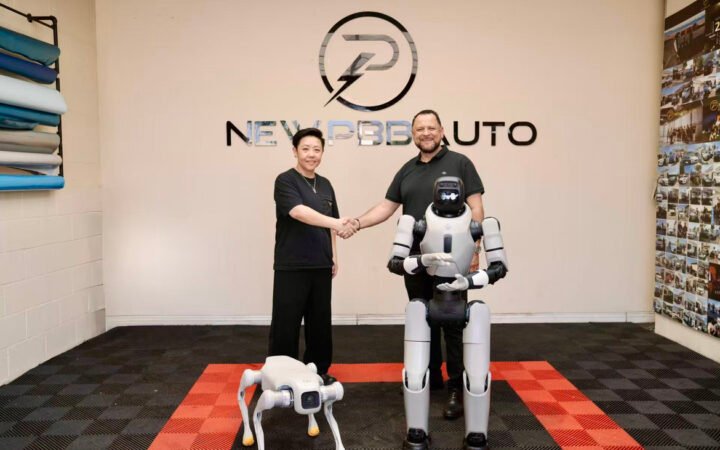
Among the companies mentioned during the hearing were AI developer DeepSeek and robotics manufacturer Unitree Robotics, which has become widely known for producing agile quadruped and humanoid robots used in research and industrial settings.
Lawmakers expressed concern that technologies developed within China’s technology ecosystem could potentially expose U.S. infrastructure to security vulnerabilities if widely deployed in government networks or critical industrial systems.
These concerns mirror debates already underway in other technology sectors such as telecommunications and semiconductors, where governments have increasingly scrutinized supply chains tied to strategic technologies.
In the case of robotics, however, the stakes may extend beyond data security. Autonomous systems are increasingly being integrated into physical infrastructure, including logistics networks, manufacturing plants, and energy facilities.
As a result, policymakers are beginning to evaluate whether robotics hardware and software could introduce operational risks if deployed in sensitive environments.
Humanoid Robotics Adds a New Dimension
The discussion comes at a time when humanoid robotics development is accelerating globally, with companies in the United States, Europe, and China racing to commercialize machines designed to operate in human environments.
Chinese robotics companies have been particularly active in this area, producing increasingly capable quadruped and humanoid systems that are gaining attention across the research and robotics industries.
While many of these machines are currently used for experimentation or demonstration, lawmakers suggested that future versions could potentially be integrated into sectors such as logistics, construction, or security operations.
That possibility raises questions about oversight and regulatory frameworks governing the deployment of robotics technologies developed abroad.
Experts participating in the hearing emphasized that evaluating such risks requires balancing national security concerns with the global nature of technology supply chains. Robotics development increasingly involves international collaborations, open-source software ecosystems, and globally distributed manufacturing.
A Broader Technology Competition
The hearing highlights how robotics and physical AI are becoming part of a wider geopolitical competition over emerging technologies.
Governments around the world are investing heavily in domestic robotics development, viewing intelligent machines as a strategic capability that could influence economic productivity, industrial competitiveness, and military logistics.
For the United States, policymakers are now examining how to strengthen domestic robotics manufacturing and supply chains while ensuring that critical infrastructure remains secure.
The debate reflects a broader reality of the AI era: as intelligent machines begin to operate in the physical world, the question of who builds those systems – and where their technologies originate – is becoming a matter not only of economic opportunity but also national security.