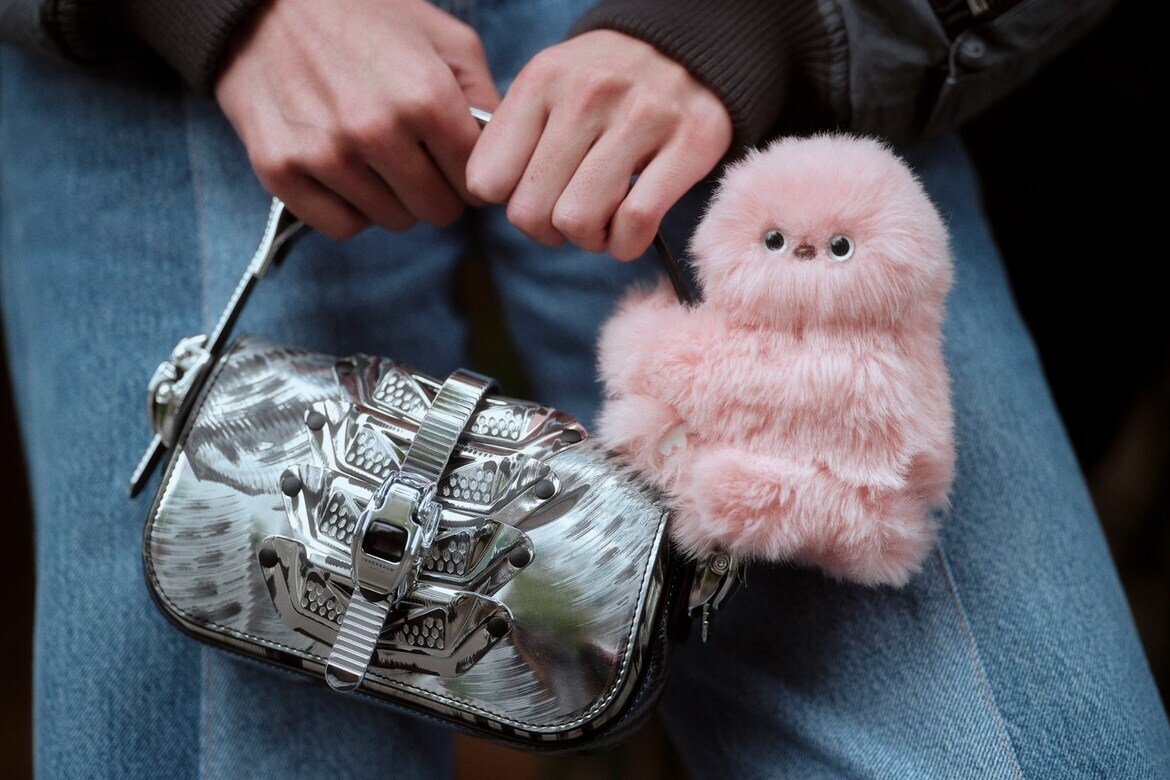

Yukai Engineering, a Tokyo-based robotics company, is introducing Mirumi, a small, emotionally expressive robot designed to attach to handbags, marking an expansion of robotics into fashion and consumer accessories. The product, which resembles a plush character with wide eyes and soft fur, is scheduled for global rollout in 2026, with production scaling to tens of thousands of units as the company targets international markets.
Mirumi represents a departure from industrial and service robotics, focusing instead on emotional interaction. The robot reacts to its surroundings by turning its head, making eye contact, and displaying shy or curious movements inspired by infant behavior. Rather than performing functional tasks, Mirumi is designed to evoke emotional responses and maintain a persistent presence in everyday life.
The launch comes as robotics companies increasingly explore consumer markets beyond automation, leveraging advances in miniaturization, sensors, and embedded AI to create products that integrate into personal environments.
Robotics Moves into Consumer Lifestyle Products
Unlike traditional robots designed for manufacturing or logistics, Mirumi’s primary role is social and emotional. The device attaches to bags and interacts passively with its environment, blending robotics with fashion and personal expression.
Yukai Engineering has already secured approximately 4,000 preorders outside Japan and plans to manufacture around 30,000 units by mid-2026. The robot is expected to retail for about $149, positioning it as an accessible consumer robotics product rather than a high-cost experimental device.
The company is actively targeting global fashion markets, including collaborations with designers and appearances at international events such as Milan Fashion Week. Retail expansion includes planned partnerships with major department stores and fashion outlets, reflecting growing interest from both technology and fashion sectors.
This strategy aligns with broader growth in the global collectibles and accessories market. Character-based products, including plush collectibles and bag charms, have seen strong demand among adult consumers, particularly in what industry analysts describe as the “kidult” segment. This demographic shift has helped drive expansion in both the toy industry and adjacent markets such as fashion accessories.
Emotional Robotics Becomes a New Category
Mirumi’s development highlights a broader shift toward emotionally responsive robotics designed for everyday environments. Advances in sensors, compact actuators, and embedded AI systems have made it possible to create small robots capable of subtle, expressive movement.
Unlike task-oriented robots, emotionally expressive robots aim to create ongoing relationships with users. These systems rely less on functional capability and more on behavioral design, using movement patterns and responsiveness to maintain engagement.
Yukai Engineering has previously developed similar products that emphasize companionship and emotional interaction. The company’s approach reflects a growing segment of robotics focused on human-robot interaction rather than industrial productivity.
Industry analysts expect emotionally responsive robotics to become more common as robotics hardware becomes smaller, more affordable, and easier to integrate into consumer products. These systems may eventually serve as interfaces for broader AI services, acting as physical embodiments of software agents.
Consumer Robotics Expands Beyond Utility
Mirumi’s launch signals how robotics is expanding into consumer identity and lifestyle products, where emotional value can be as important as functional capability. The robot’s positioning as both a fashion accessory and a technology product reflects the convergence of robotics, design, and consumer culture.
This convergence also reflects changes in how robotics companies approach commercialization. Instead of focusing solely on enterprise customers, some firms are building products for direct consumer adoption, using emotional engagement to drive sustained interaction.
The emergence of emotionally expressive robots like Mirumi suggests that the robotics industry is beginning to explore new markets where the primary role of robots is not to perform labor, but to establish presence, interaction, and connection in everyday life.