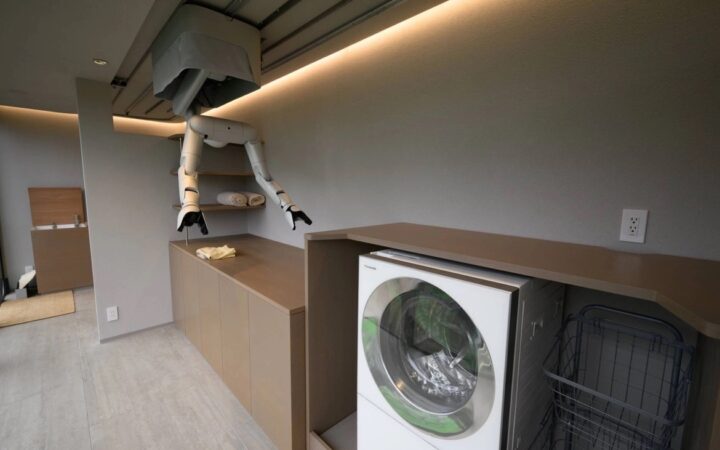
Toyota’s Woven City, an experimental urban development near Mount Fuji, has transitioned from a concept project into an active testbed for robotics, artificial intelligence, and autonomous mobility. The first phase covers roughly 47,000 square meters and is set to expand to about 294,000 square meters at full build-out. Around 100 early residents, referred to as “weavers”, are already living on site, with long-term plans for up to 2,000 inhabitants. The project carries an estimated long-term cost of around $10 billion.
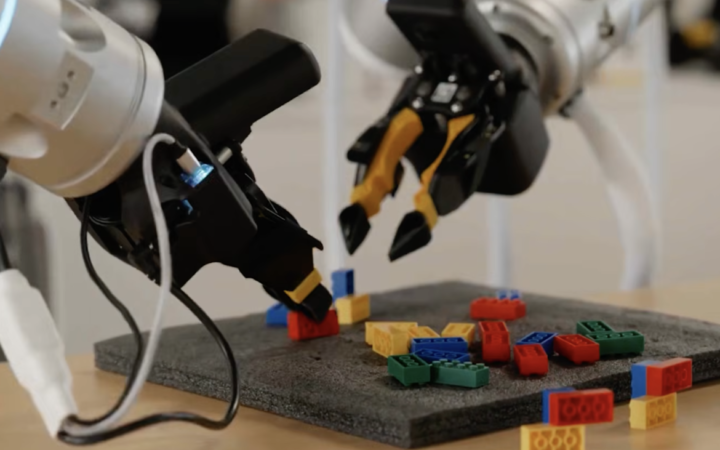
The development is structured as a functioning urban environment rather than a demonstration zone. Underground passageways handle logistics and mobility systems, while above-ground spaces host trials involving home robots, autonomous transport prototypes, and AI safety infrastructure. Concepts such as flying taxis are being explored in simulation. Residents participate directly in evaluation cycles, providing feedback on usability and human-machine interaction that feeds back into product development.
The closed-but-populated model is intended to address a regulatory gap that limits large-scale autonomous vehicle and robotics testing on standard public roads. By controlling the operating environment while maintaining real pedestrian and resident behavior, Toyota and its partners aim to collect data on mobility patterns, safety incidents, and everyday usage that would be difficult to gather on conventional streets. Developers have indicated this evidence is intended to inform future regulatory frameworks for autonomous transport.
Woven City reflects a broader industry shift toward integrated, real-world environments for validating embodied AI and autonomous systems, moving beyond isolated lab tests and individual pilot deployments. Similar approaches are being explored elsewhere, but the scale and corporate backing of Toyota’s project make it one of the most substantial efforts to combine robotics, mobility, and urban infrastructure in a single operating site. Its long-term influence will depend on whether the data and design lessons generated translate into deployable systems beyond the controlled perimeter.
Disclaimer: RobotsBeat is an independent media brand owned and operated by NuvexMedia LLC, publishing news, research, and insights on artificial intelligence, emerging technologies, automation, and related industries. NuvexMedia LLC invests in and collaborates with companies across the AI, Robotics, technology, software, and digital innovation sectors. These relationships do not influence RobotsBeat's editorial coverage, and the publication maintains full editorial independence to provide accurate, timely, and objective information. © 2026 NuvexMedia LLC. All rights reserved. This content is for informational purposes only and should not be considered legal, tax, investment, financial, or other professional advice.